Indonesian Plans for Food Security Threaten Conservation in Papua
-
 Loading...
 - Akira Tanaka
- 23 Oct 2024
- 44 Views
- 0 Like
- 0 Comment
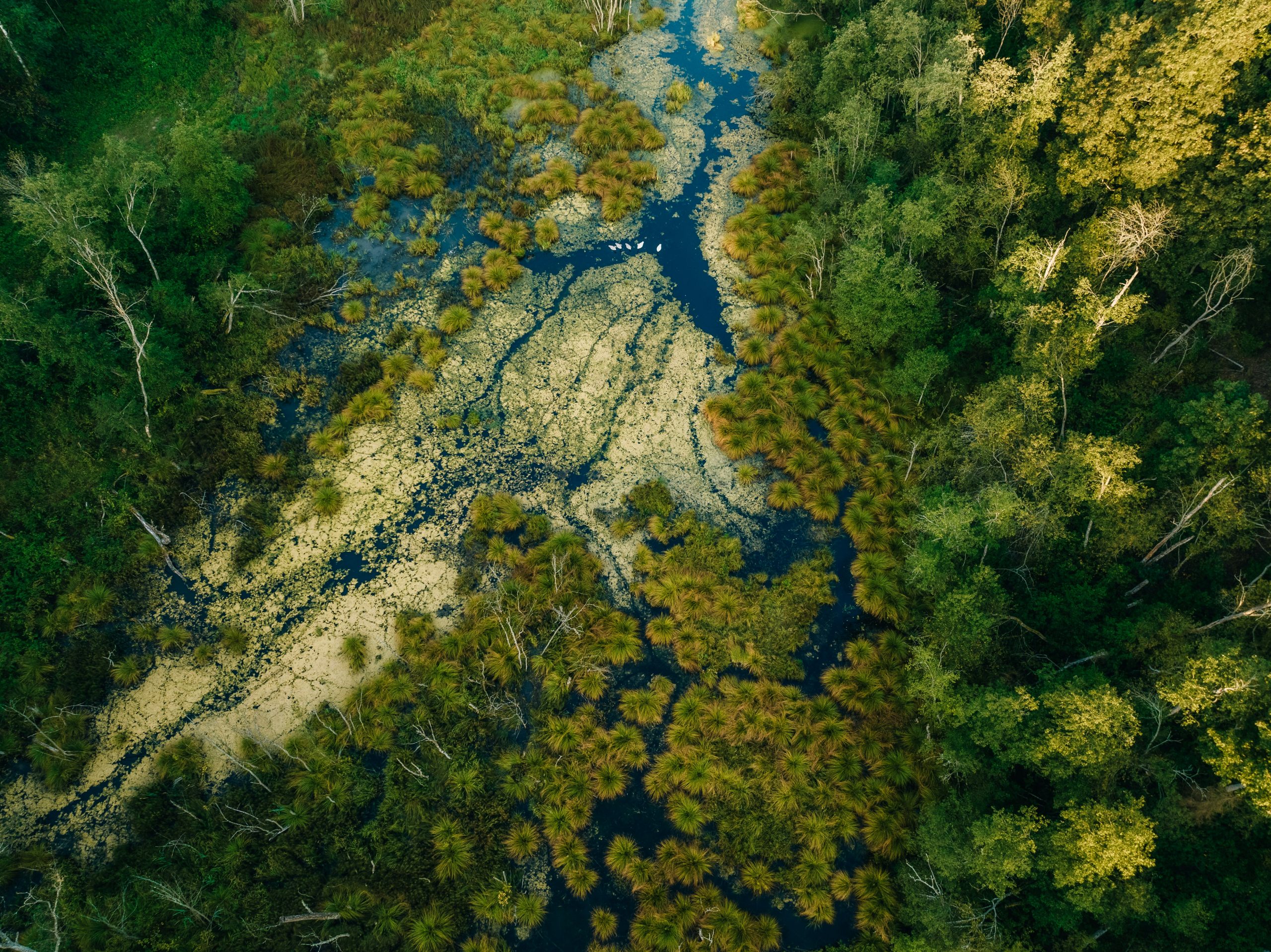
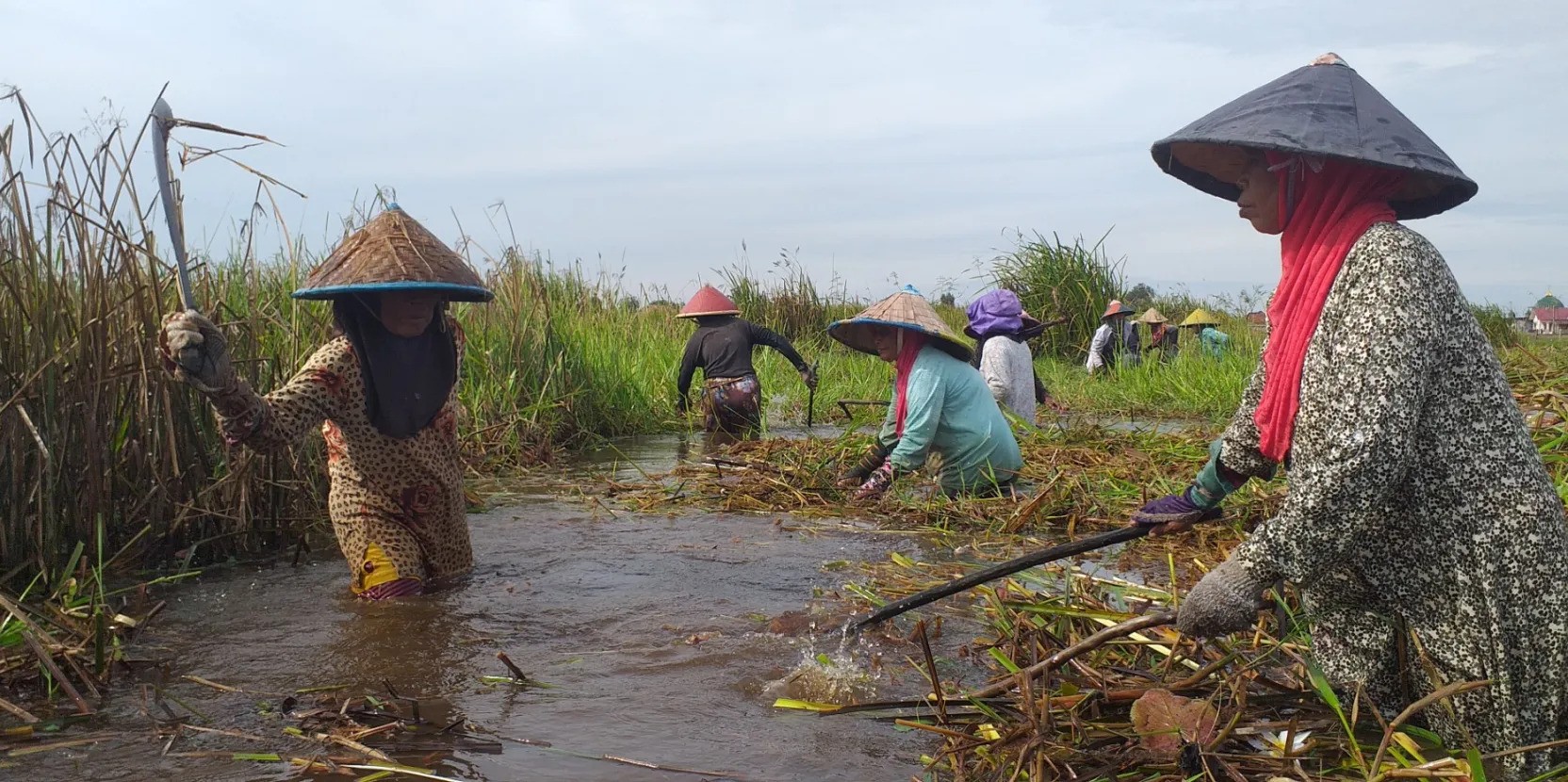
Indonesia's military is spearheading a controversial initiative to convert over 2 million hectares of wetlands and savannah in the easternmost Papua region into rice farms and sugarcane plantations. This project, aimed at achieving food and energy self-sufficiency for the nation of 270 million people, poses a significant threat to one of the world's most valuable ecosystems, according to conservationists.
The area targeted for development, particularly Merauke, has largely remained peaceful amid the long-standing conflict between the Indonesian government and indigenous Papuans seeking independence. However, the military's involvement in this agricultural project has raised concerns about potential violence and increased tensions in a region that has historically avoided such conflicts.
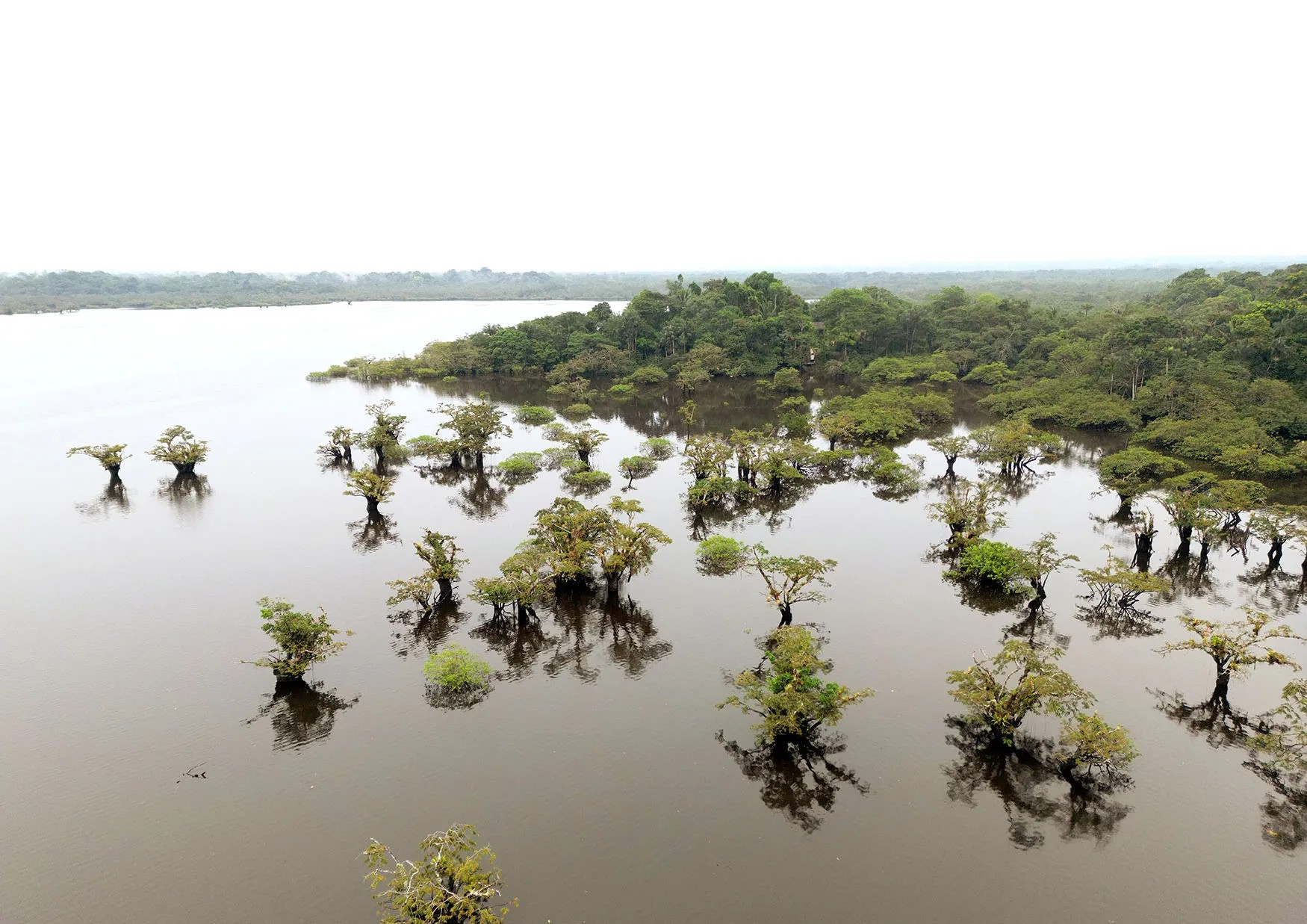
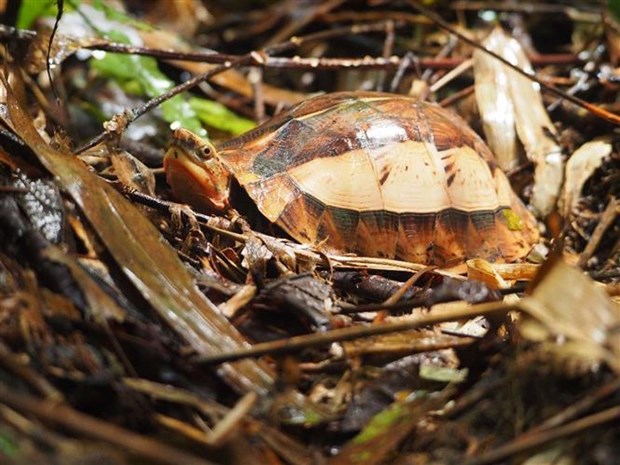
The proposed agricultural expansion represents at least one-fifth of the TransFly lowland, a unique ecological zone that spans both Indonesia and Papua New Guinea. This region is recognized for its rich biodiversity, housing half of New Guinea's bird species, including around 80 endemic species, as well as other unique wildlife such as the pig-nosed turtle and carnivorous marsupials. Conservationists, including the World Wildlife Fund (WWF), have described the TransFly as a "global treasure" and have advocated for its protection, emphasizing its ecological significance compared to other renowned sites like Kakadu National Park in Australia.
Experts warn that converting large portions of the TransFly into agricultural land could drastically alter its conservation status, leading to increased threats to its unique ecosystems. Eric Wikramanayake, a conservation biologist, cautioned that such developments could open the door to further environmental degradation.
Major-General Ahmad Rizal Ramdhani, who leads Indonesia's National Food Security Taskforce, argues that the wetlands are underutilized and should be transformed into productive agricultural land. He has assured local communities that sacred and conservation areas will be protected and that indigenous ownership of the land will be maintained. However, this claim has been met with skepticism, especially given the historical context of land grabs and conflicts surrounding previous agricultural initiatives in the region.
Recent reports indicate that over 200 excavators have begun clearing wetlands and customary forests belonging to the Malind Makleuw indigenous people, prompting protests from the community. Activists have expressed their opposition to the involvement of the Jhonlin Group, a conglomerate linked to the agricultural projects, highlighting the potential for environmental and cultural harm.
The military's leadership in this initiative has raised alarms among security researchers, who fear it could exacerbate pro-independence sentiments and grievances over environmental destruction. Raden Mokhamad Luthfi, a military analyst, noted that the project could be perceived as further evidence of inequality and injustice faced by the Papuan people.
Despite the Indonesian government's emphasis on food security, the military's role in the Merauke project contradicts the notion that such initiatives should be led by civilian ministries. This has led to concerns about the potential for increased discontent and violence in the region, as seen in past failed agricultural programs.
The WWF's previous efforts to develop a conservation plan for the TransFly have faltered due to insecurity and resource limitations. While the organization acknowledges the importance of national strategic projects, it also emphasizes the need to respect the ecological and cultural values of the region.
As the Indonesian government pushes forward with its agricultural ambitions, the delicate balance between economic development and environmental conservation hangs in the balance. The TransFly's wetlands, crucial for migratory birds along the Asian flyway, face an uncertain future, with experts warning of potential tipping points that could lead to irreversible ecological damage.