Home Upload Photo Upload Videos Write a Blog Analytics Messaging Streaming Create Adverts Creators Program
Bebuzee Afghanistan Bebuzee Albania Bebuzee Algeria Bebuzee Andorra Bebuzee Angola Bebuzee Antigua and Barbuda Bebuzee Argentina Bebuzee Armenia Bebuzee Australia Bebuzee Austria Bebuzee Azerbaijan Bebuzee Bahamas Bebuzee Bahrain Bebuzee Bangladesh Bebuzee Barbados Bebuzee Belarus Bebuzee Belgium Bebuzee Belize Bebuzee Benin Bebuzee Bhutan Bebuzee Bolivia Bebuzee Bosnia and Herzegovina Bebuzee Botswana Bebuzee Brazil Bebuzee Brunei Bebuzee Bulgaria Bebuzee Burkina Faso Bebuzee Burundi Bebuzee Cabo Verde Bebuzee Cambodia Bebuzee Cameroon Bebuzee Canada Bebuzee Central African Republic Bebuzee Chad Bebuzee Chile Bebuzee China Bebuzee Colombia Bebuzee Comoros Bebuzee Costa Rica Bebuzee Côte d'Ivoire Bebuzee Croatia Bebuzee Cuba Bebuzee Cyprus Bebuzee Czech Republic Bebuzee Democratic Republic of the Congo Bebuzee Denmark Bebuzee Djibouti Bebuzee Dominica Bebuzee Dominican Republic Bebuzee Ecuador Bebuzee Egypt Bebuzee El Salvador Bebuzee Equatorial Guinea Bebuzee Eritrea Bebuzee Estonia Bebuzee Eswatini Bebuzee Ethiopia Bebuzee Fiji Bebuzee Finland Bebuzee France Bebuzee Gabon Bebuzee Gambia Bebuzee Georgia Bebuzee Germany Bebuzee Ghana Bebuzee Greece Bebuzee Grenada Bebuzee Guatemala Bebuzee Guinea Bebuzee Guinea-Bissau Bebuzee Guyana Bebuzee Haiti Bebuzee Honduras Bebuzee Hong Kong Bebuzee Hungary Bebuzee Iceland Bebuzee India Bebuzee Indonesia Bebuzee Iran Bebuzee Iraq Bebuzee Ireland Bebuzee Israel Bebuzee Italy Bebuzee Jamaica Bebuzee Japan Bebuzee Jordan Bebuzee Kazakhstan Bebuzee Kenya Bebuzee Kiribati Bebuzee Kuwait Bebuzee Kyrgyzstan Bebuzee Laos Bebuzee Latvia Bebuzee Lebanon Bebuzee Lesotho Bebuzee Liberia Bebuzee Libya Bebuzee Liechtenstein Bebuzee Lithuania Bebuzee Luxembourg Bebuzee Madagascar Bebuzee Malawi Bebuzee Malaysia Bebuzee Maldives Bebuzee Mali Bebuzee Malta Bebuzee Marshall Islands Bebuzee Mauritania Bebuzee Mauritius Bebuzee Mexico Bebuzee Micronesia Bebuzee Moldova Bebuzee Monaco Bebuzee Mongolia Bebuzee Montenegro Bebuzee Morocco Bebuzee Mozambique Bebuzee Myanmar Bebuzee Namibia Bebuzee Nauru Bebuzee Nepal Bebuzee Netherlands Bebuzee New Zealand Bebuzee Nicaragua Bebuzee Niger Bebuzee Nigeria Bebuzee North Korea Bebuzee North Macedonia Bebuzee Norway Bebuzee Oman Bebuzee Pakistan Bebuzee Palau Bebuzee Panama Bebuzee Papua New Guinea Bebuzee Paraguay Bebuzee Peru Bebuzee Philippines Bebuzee Poland Bebuzee Portugal Bebuzee Qatar Bebuzee Republic of the Congo Bebuzee Romania Bebuzee Russia Bebuzee Rwanda Bebuzee Saint Kitts and Nevis Bebuzee Saint Lucia Bebuzee Saint Vincent and the Grenadines Bebuzee Samoa Bebuzee San Marino Bebuzee São Tomé and Príncipe Bebuzee Saudi Arabia Bebuzee Senegal Bebuzee Serbia Bebuzee Seychelles Bebuzee Sierra Leone Bebuzee Singapore Bebuzee Slovakia Bebuzee Slovenia Bebuzee Solomon Islands Bebuzee Somalia Bebuzee South Africa Bebuzee South Korea Bebuzee South Sudan Bebuzee Spain Bebuzee Sri Lanka Bebuzee Sudan Bebuzee Suriname Bebuzee Sweden Bebuzee Switzerland Bebuzee Syria Bebuzee Taiwan Bebuzee Tajikistan Bebuzee Tanzania Bebuzee Thailand Bebuzee Timor-Leste Bebuzee Togo Bebuzee Tonga Bebuzee Trinidad and Tobago Bebuzee Tunisia Bebuzee Turkey Bebuzee Turkmenistan Bebuzee Tuvalu Bebuzee Uganda Bebuzee Ukraine Bebuzee United Arab Emirates Bebuzee United Kingdom Bebuzee Uruguay Bebuzee Uzbekistan Bebuzee Vanuatu Bebuzee Venezuela Bebuzee Vietnam Bebuzee World Wide Bebuzee Yemen Bebuzee Zambia Bebuzee Zimbabwe
Blog Image

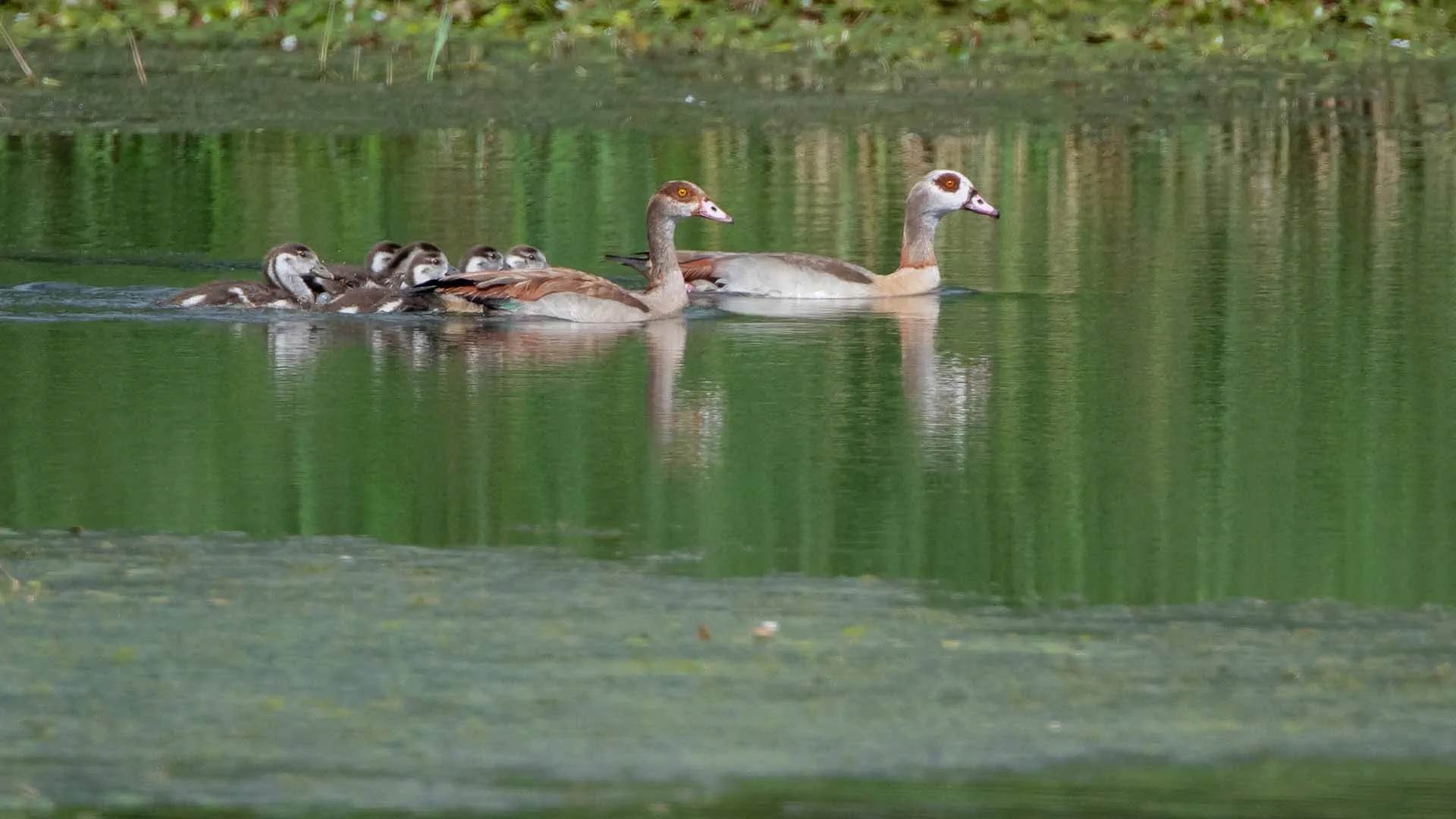
Egyptian Geese Threaten Biodiversity in France

In the summer months, Egyptian geese have become a common sight in eastern France, waddling among sunbathers on the banks of local lakes. While they may seem harmless, these birds pose significant health risks and threaten the local biodiversity by displacing native species such as ducks and swans. Originally from sub-Saharan Africa, the Egyptian geese have adapted well to their new environment, raising concerns about their impact on the ecosystem.

Recognizable by their distinctive brown eye markings, these geese have established a strong presence in the region over the past 15 years, with their numbers steadily increasing. Pascal Koensgen, a deputy mayor in Lauterbourg, noted that the geese are territorial and have become a permanent fixture in the area. Their droppings create unsanitary conditions, with reports of large flocks fouling beaches within a day, much to the dismay of holidaymakers and local campsite managers.

Historically, the population of Egyptian geese in France was minimal, with fewer than 50 recorded between 1970 and 2000. However, since 2005, their numbers have surged to around 2,000 by early 2016, particularly in northeastern regions near the Rhine and Moselle rivers. Initially introduced as ornamental birds for decorative ponds, they have since escaped captivity or migrated from neighboring countries, leading to their rapid proliferation.

The French government has recognized the Egyptian goose as an invasive species, banning their sale since 2017. Despite this, experts like Jean-Francois Maillard from France's state Biodiversity Office (OFB) believe that the measures came too late, as the geese had already established themselves in the wild. Their aggressive behavior towards native birds, including stealing nests from swans and harassing ducks, threatens the survival of local species.

Efforts to control the population have included erecting fences, using nets, and even shooting the birds, which has been authorized in several departments. In the Bas-Rhin region, hunters have killed hundreds of Egyptian geese in recent years, but experts warn that these measures are only temporary solutions. Nicolas Braconnier from the Hunters' Federation noted that while culling provides brief relief, it does not address the underlying problem of invasive species establishment.

The situation highlights a broader global issue, as the United Nations has identified thousands of alien species introduced by humans, with many classified as invasive. Experts emphasize the importance of swift action when dealing with unwanted species to prevent their spread. In the case of Egyptian geese, their adaptability to artificial lakes and vegetation makes them particularly difficult to control, raising alarms about the potential long-term consequences for France's native wildlife. As the geese continue to thrive, the challenge of preserving local biodiversity becomes increasingly urgent.


Previous Post

Bolivia Has National Rights of Nature Laws. Why Haven’t They Been Enforced?

Next Post

Indonesian Plans for Food Security Threaten Conservation in Papua

Comments