India’s Biodiversity at Risk: Urgent Action Required to Protect Wildlife
-
 Loading...
 - Lakshan De
- 14 Oct 2024
- 48 Views
- 0 Like
- 0 Comment
India, one of the world's megadiverse countries, is home to nearly 8% of global biodiversity, making it a critical hotspot for wildlife. However, India's rich biodiversity is under growing threat due to habitat destruction, climate change, pollution, and poaching. Urgent actions are needed to address the decline of species and ecosystems, which are vital not only for wildlife but also for the country’s environmental sustainability and human well-being.
1. Loss of Habitat
India's rapid urbanization and agricultural expansion have severely impacted its natural habitats. Forests, wetlands, grasslands, and mangroves are being cleared to make way for infrastructure projects, agriculture, and urban settlements. The loss of habitat affects species like the Bengal tiger, Asian elephant, leopards, and many endemic species. According to India's Forest Survey Report, forest cover has decreased significantly in several states due to human encroachment.
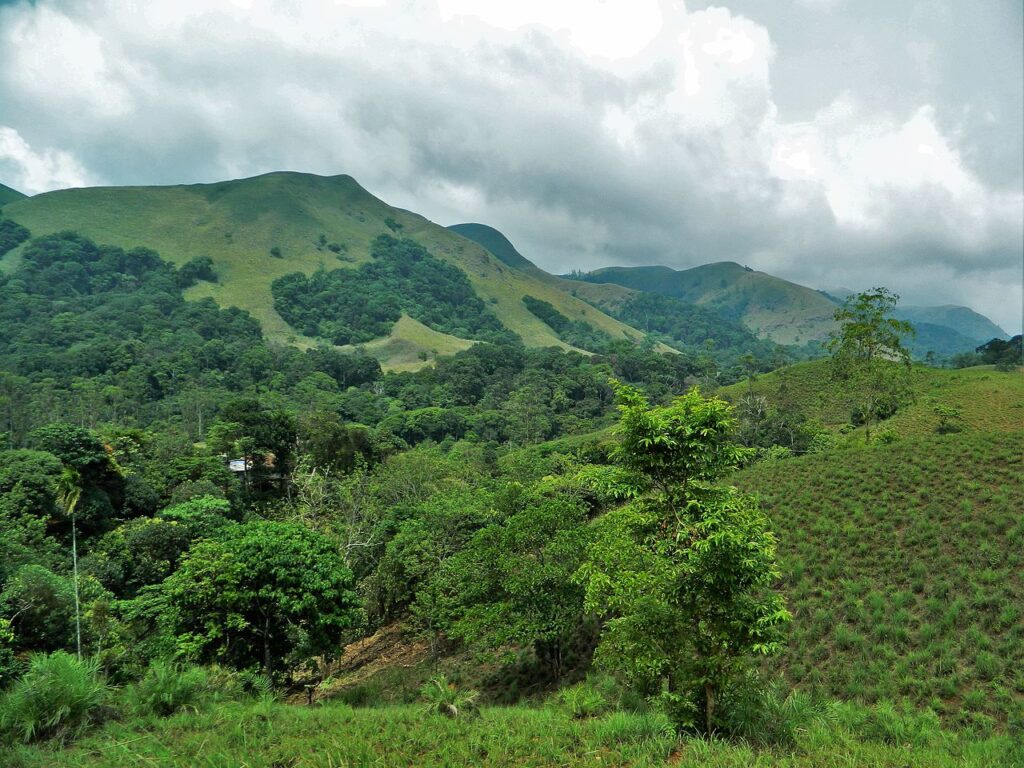
Example: The Western Ghats, a UNESCO World Heritage site and a biodiversity hotspot, is facing massive deforestation due to mining and dam construction, putting many endemic species at risk.
2. Climate Change
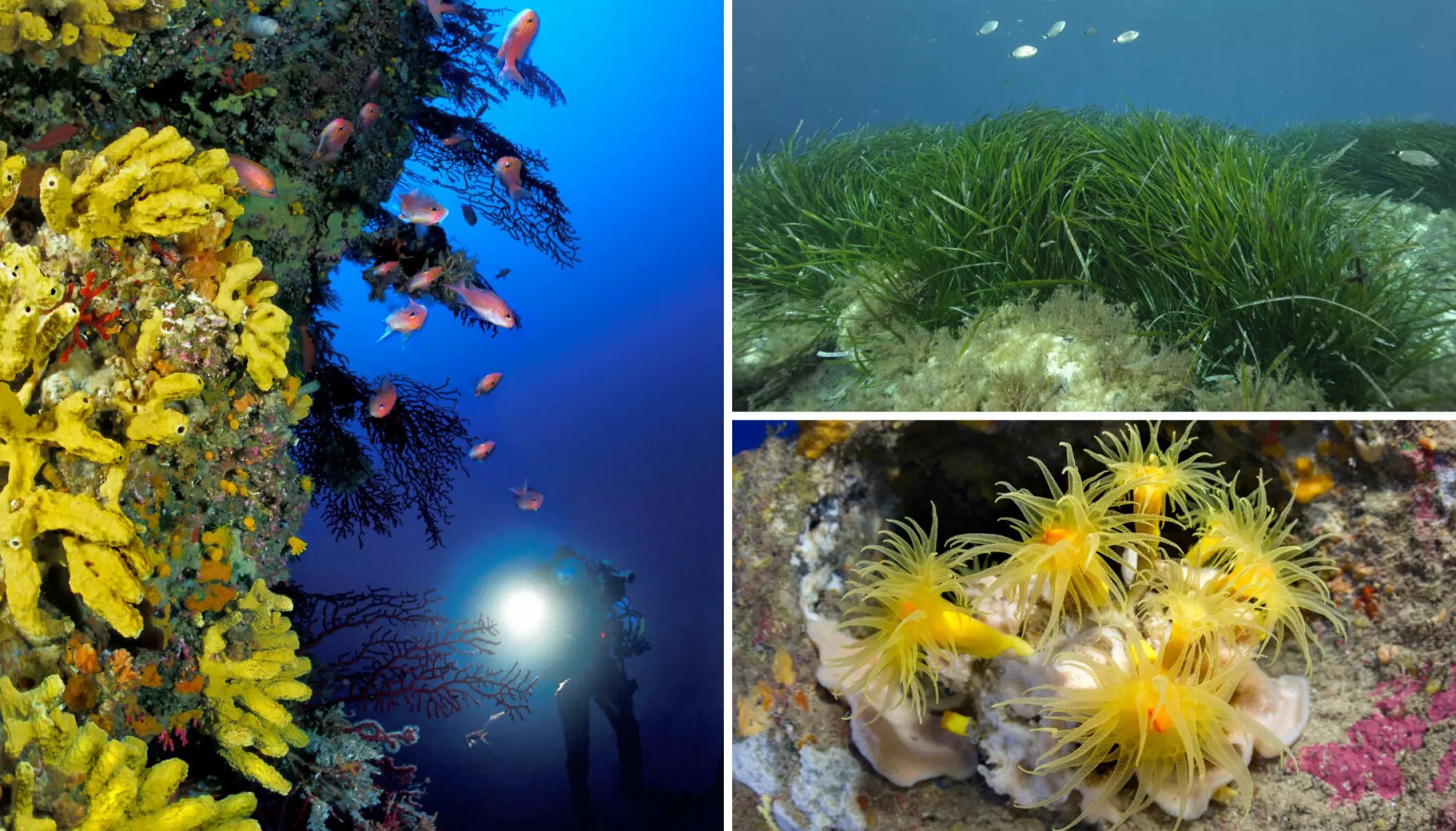
Rising temperatures and erratic weather patterns are exacerbating threats to wildlife. Many species are unable to adapt to these changes quickly, leading to shifts in biodiversity patterns. Coral reefs in India, such as those around the Andaman and Nicobar Islands, are experiencing coral bleaching due to increased sea temperatures. Similarly, climate change affects the snow leopard habitat in the Himalayas, pushing these elusive cats to higher altitudes, where prey is scarce.
3. Poaching and Illegal Wildlife Trade
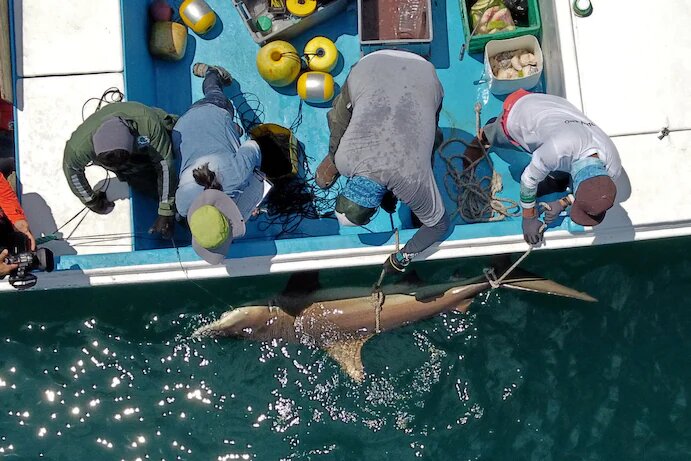
India's wildlife is targeted by poachers for illegal wildlife trade, which is driven by the demand for animal parts like ivory, tiger skins, and rhino horns. Poaching threatens iconic species like tigers, rhinos, and pangolins, with devastating impacts on their populations. Despite strong laws like the Wildlife Protection Act (1972), enforcement remains a challenge, and illegal trade networks continue to operate, often transnationally.
Example: India is home to more than 75% of the world’s tiger population, yet poaching has caused tiger numbers to fluctuate, especially in areas where law enforcement is weak.
4. Pollution and Environmental Degradation
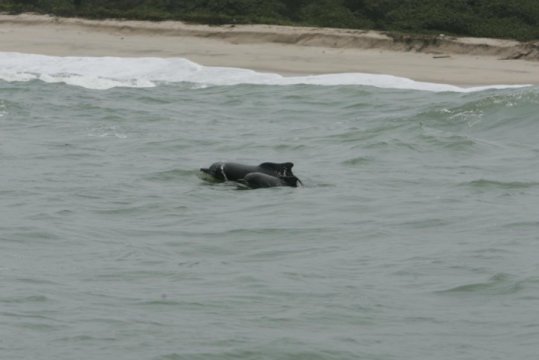
Water and air pollution from industrial activities, agricultural runoff, and urban waste is damaging critical ecosystems. Riverine habitats, such as those of the Ganges river dolphin, are under threat from industrial waste and untreated sewage. Plastic pollution in marine ecosystems is also a growing concern, affecting species like sea turtles, which ingest plastic debris, mistaking it for food.
5. Invasive Species
The introduction of non-native species into ecosystems is causing significant damage to India’s native biodiversity. Invasive species like Lantana camara (a fast-growing plant) and Pomacea canaliculata (a type of snail) are outcompeting native species for resources, altering ecosystems and threatening the survival of indigenous wildlife.
Urgent Actions Needed
1. Strengthening Conservation Laws and Enforcement
India has robust wildlife protection laws, but enforcement needs improvement. More effective measures are needed to protect endangered species and prevent illegal logging, poaching, and habitat destruction. Strengthening the capacity of forest departments, wildlife rangers, and local enforcement agencies can improve surveillance and prevent illegal activities.
2. Community Involvement in Conservation
Empowering local communities to play a role in wildlife conservation can have a significant impact. Initiatives like community-managed forests and wildlife tourism give locals a stake in preserving their environment. For example, several villages in Madhya Pradesh have successfully partnered with NGOs to protect tiger habitats while benefiting from eco-tourism.
3. Protected Area Expansion and Restoration Projects
Increasing the number of protected areas and wildlife corridors is critical for providing safe habitats for wildlife, especially in regions where human-wildlife conflict is prevalent. Restoring degraded ecosystems like grasslands and wetlands can also help revive the populations of endangered species and ensure biodiversity thrives.
4. Combatting Climate Change
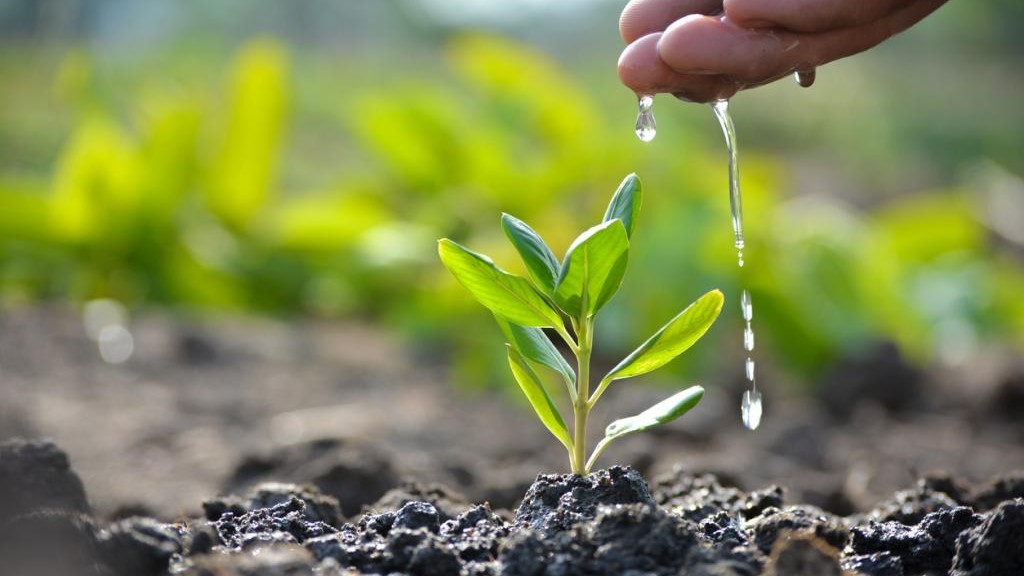
India’s conservation efforts must also focus on combating climate change. This can include reforestation efforts, promoting sustainable agriculture, and reducing greenhouse gas emissions. Wildlife adaptation strategies, such as protecting climate-sensitive habitats and facilitating species migration, can also help mitigate the impact of climate change.
5. Public Awareness and Education
Raising awareness about the importance of biodiversity and encouraging sustainable practices can have a lasting impact on conservation efforts. Programs that educate the public, especially in rural areas, about the benefits of conserving wildlife and ecosystems can reduce harmful activities like illegal hunting and habitat destruction.
India's biodiversity is at a critical juncture, and immediate action is required to prevent the further decline of its wildlife and ecosystems. The government's commitment to expanding protected areas, enforcing wildlife laws, and engaging communities in conservation, along with greater international cooperation, can help safeguard India's rich natural heritage for future generations. Addressing these challenges is not only crucial for wildlife but also for ensuring long-term ecological balance and human well-being.