Reforestation can help Thailand honour Paris climate commitment

Reforestation is a crucial step for Thailand to honor its climate change pledge, according to experts at the "Mae Fah Luang Sustainability Forum 2024" in Bangkok. The Paris Agreement aims to limit global surface temperature rise to 1.5°C above pre-industrial levels by reducing greenhouse gas emissions and achieving net zero by 2050.
Thailand needs to find ways to store 120 million tons equivalent of greenhouse gas by 2037 to meet its climate change pledge. Additionally, the country must restore biodiversity under the Kunming-Montréal Global Biodiversity Framework, which aims to designate 30% of Earth's terrestrial and aquatic areas as protected areas by 2030.
Mae Fah Luang Foundation CEO Dispanadda Diskul emphasized the importance of biodiverse forests and community participation in meeting the Paris agreement targets. He believes that global society will review carbon credit standards to prioritize biodiversity and community benefits.
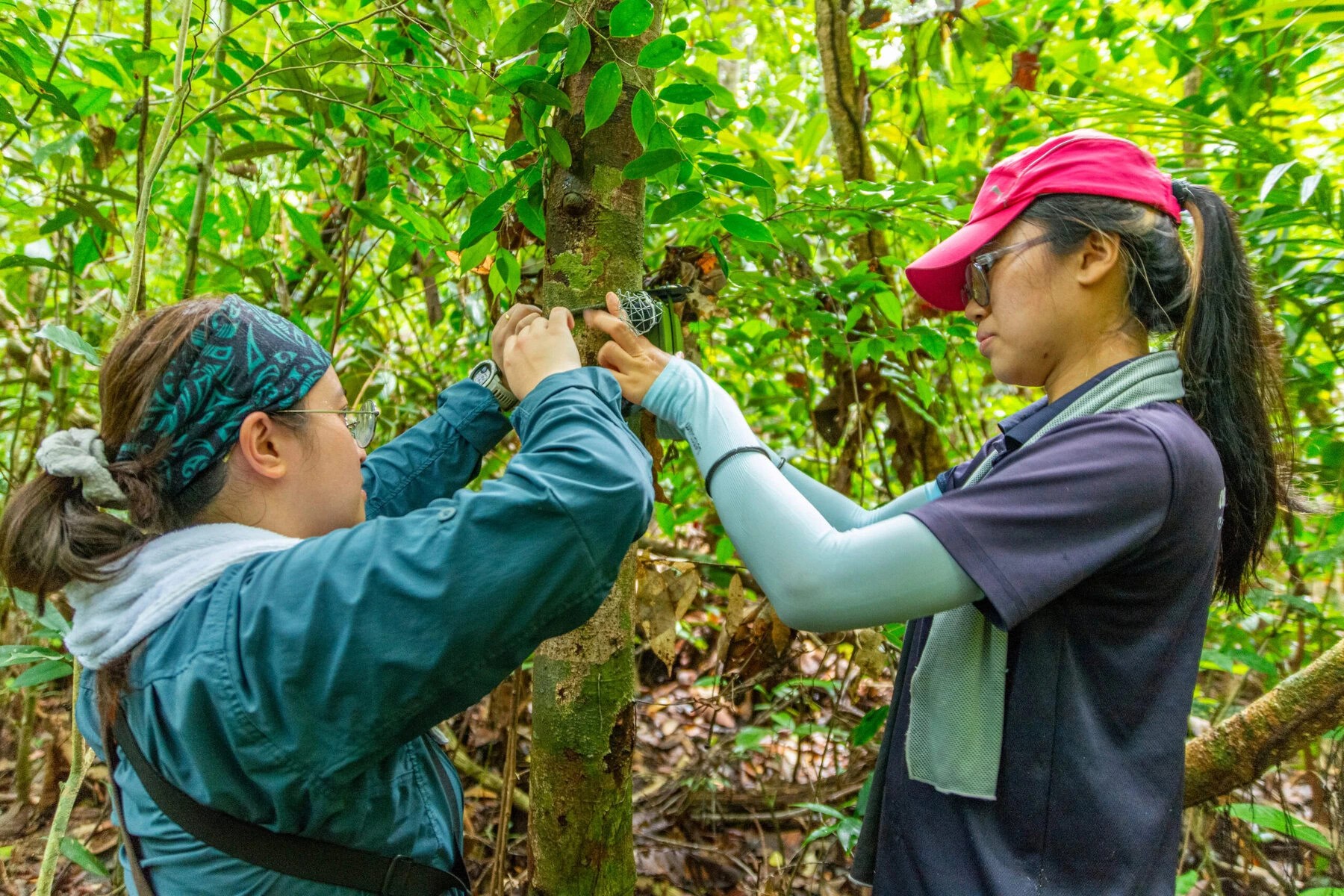
The Mae Fah Luang Foundation has restored 90,000 rai (14,400 hectares) of forests over the past 36 years, creating jobs for over 10,000 people and generating carbon credits of over 419,000 tons of carbon dioxide equivalent. The foundation has also collaborated with public and private agencies to restore over 258,186 rai (41,309.76 hectares) of forests in 281 communities.
Reforestation has numerous benefits, including:
- Mitigating the impact of forest fires
- Expanding forest areas
- Creating jobs and generating income for communities
- Helping to achieve carbon neutrality and net-zero carbon emission
The director-general of the Department of Climate Change and Environment, Phirun Saiyasitpanich, highlighted the severity of climate change in Thailand, which is impacting the economy, society, and environment. He emphasized the need for Thailand to keep the rise in global surface temperature below 1.5°C above pre-industrial levels and achieve carbon neutrality and net-zero carbon emission by 2050 and 2065, respectively.