Rare Discovery of Albinism in Ecuador's Wildlife
-
 Loading...
 - Michelle Collins
- 20 Sep 2024
- 51 Views
- 0 Like
- 0 Comment
The National Institute of Biodiversity (Inabio) in Ecuador has made a groundbreaking discovery, documenting the first case of albinism in an Andean porcupine. This rare occurrence has shed light on the genetic diversity and mutations within populations, highlighting the importance of conservation efforts to protect fragile ecosystems.
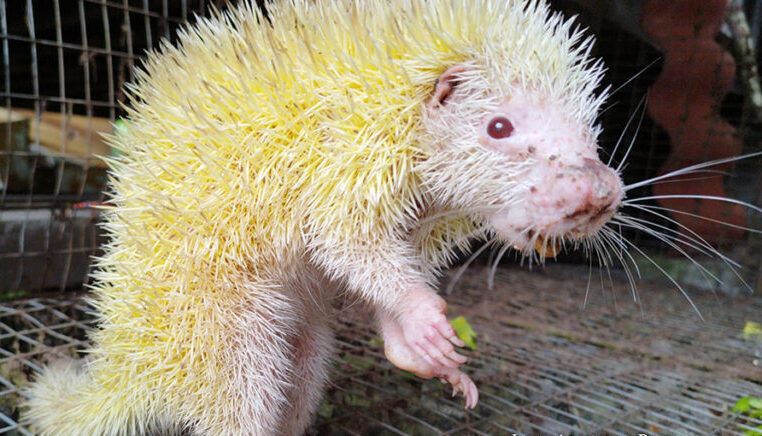
The female porcupine was found injured on a highway near the Bosque Protector La Perla reserve and later succumbed to its injuries. Despite this, the porcupine's significance as the first known albino of its species has led scientists to preserve its skin, skull, and skeleton for future research. The porcupine's yellowish quills on its back and white quills on its underside, along with its red eyes and pink skin, are characteristic of albinism.
Albinism is a rare genetic condition that affects animals across various vertebrate groups. While it has been documented in several species in Latin America, this is the first known case involving the Andean porcupine. Other notable discoveries include a rare species of pink river dolphin in Colombia and a melanistic jaguar in Argentina.
These rare discoveries highlight the importance of protecting fragile ecosystems from human activity. The albino porcupine's injury on a highway serves as a poignant reminder of the dangers posed by human encroachment. Conservationists face challenges from expanding infrastructure, illegal logging, mining, and agriculture, which threaten countless species and contribute to global climate change.
Advances in technology and scientific research have opened new doors for conservationists. DNA analysis, satellite technology, and citizen science initiatives have become invaluable tools in protecting endangered species and preserving natural ecosystems. Integrating traditional knowledge with modern technology creates a more sustainable conservation approach that benefits both people and wildlife.
The discovery of the albino Andean porcupine is a testament to the resilience of nature, but also a stark reminder of the fragility of ecosystems and the threats many species face. Latin America is home to some of the most biodiverse regions on the planet, and its wildlife holds countless secrets waiting to be discovered. The future of biodiversity in the region depends on concerted conservation efforts to preserve its natural heritage for generations.