Shrinking biodiversity: 69% drop in wildlife populations in nearly 5 decades, shows report
-
 Loading...
 - Rodas Varma
- 19 Oct 2022
- 66 Views
- 0 Like
- 0 Comment
Monitored wildlife populations — including mammals, birds, amphibians, reptiles and fish — have seen a 69-per cent drop between 1970 and 2018, according to the latest Living Planet Report, released by the World Wildlife Fund (WWF) on Thursday. And India is no different.
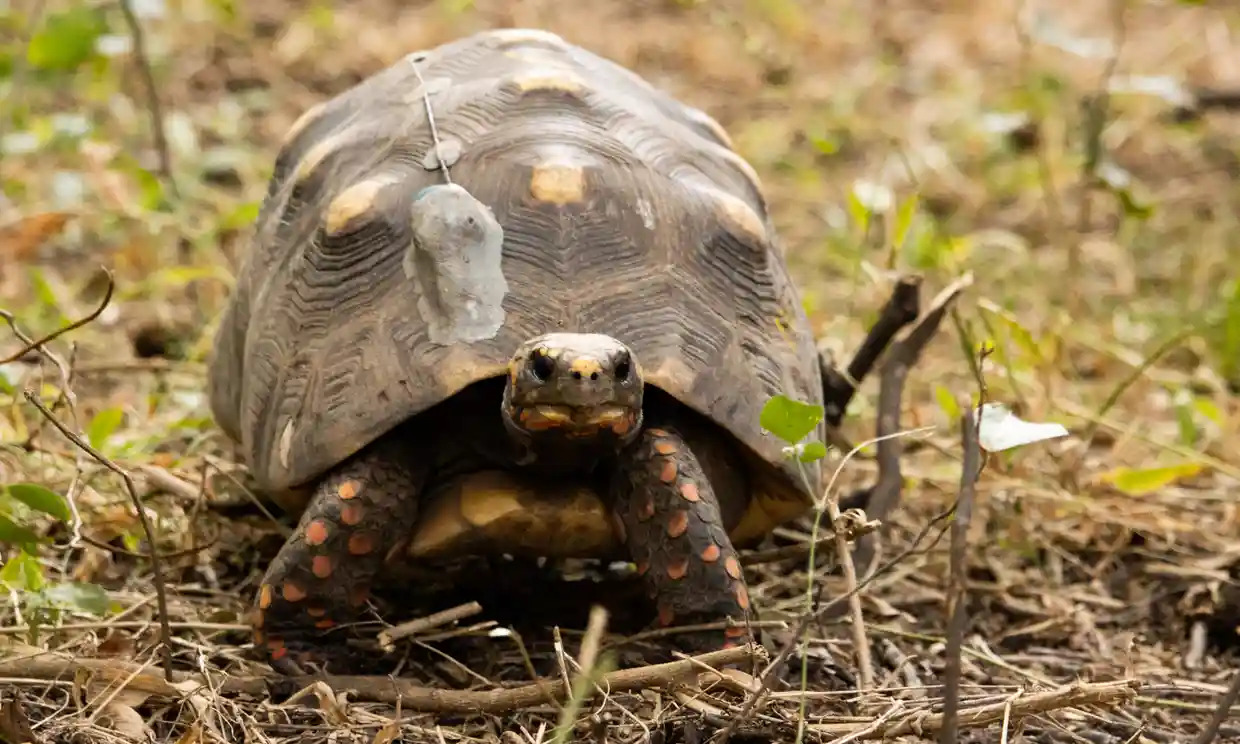
According to WWF-India programme director Dr Sejal Worah, the country has seen a decline in population of the likes of honeybees and 17 species of freshwater turtles in this period. Worah said the report finds that the Himalayan region and the Western Ghats are some of the most vulnerable regions in the country in terms of biodiversity loss, and where increased biodiversity loss is expected in future if temperatures are to increase.
“Projects like the recent cheetah translocation are therefore good in preservation of species, and India has seen successes such as Project Tiger, or (projects for) the one-horned rhino and lions,” WWF India secretary-general Ravi Singh said. “There is an umbrella effect on all other species living in that habitat due to conservation of these species.”
The biennial report, produced by the Zoological Society of London, measures how species are responding to pressure in the environment due to biodiversity loss and climate change. Read More…