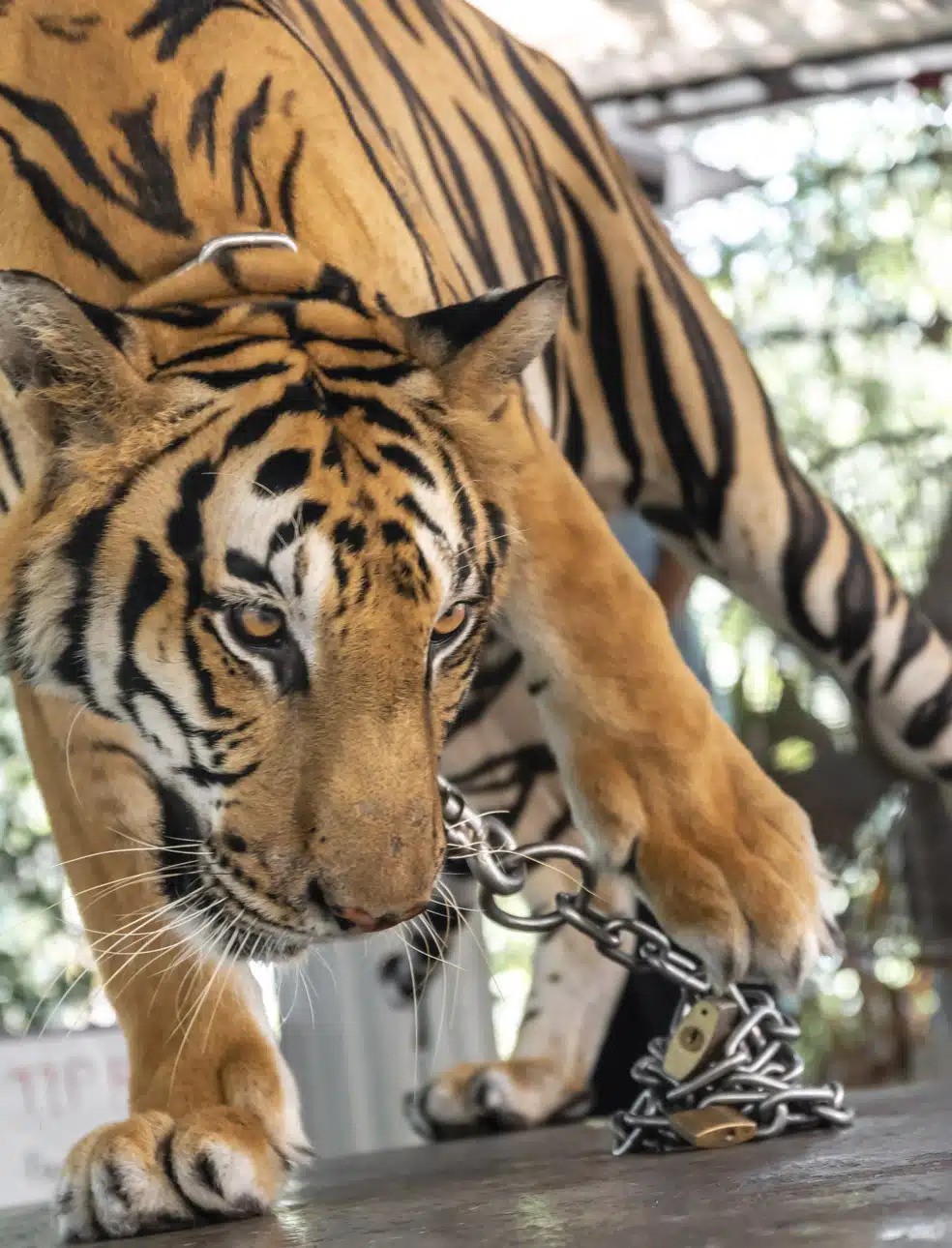
Animal Captivity is a Dangerous Distraction from Real Conservation Efforts in the US
-
 Loading...
 - Greta Keller
- 21 Jan 2025
- 35 Views
- 0 Like
- 0 Comment
The debate surrounding animal captivity, particularly in zoos and aquariums, has intensified in recent years, raising critical questions about the ethics and effectiveness of such institutions in promoting genuine conservation efforts. While many argue that zoos play a vital role in education and species preservation, the reality is that animal captivity often serves as a dangerous distraction from more impactful conservation strategies. Here are several reasons why this issue warrants serious consideration.
1. Misallocation of Resources
Captive facilities often divert funding and attention away from in-situ conservation efforts that address the root causes of species decline. Instead of investing in habitat preservation, anti-poaching initiatives, and community-based conservation programs, resources are funneled into maintaining captive animals. This misallocation can hinder the overall effectiveness of conservation strategies, as protecting natural habitats is crucial for the survival of many species.
2. Limited Educational Value
While zoos and aquariums promote themselves as educational institutions, the educational value of observing animals in captivity is often overstated. The experience of seeing animals in artificial environments does not accurately represent their natural behaviors or habitats. This can lead to misconceptions about wildlife and conservation issues. Instead, educational efforts should focus on immersive experiences in natural settings, where individuals can learn about animals in their true environments.
3. Welfare Concerns for Captive Animals
The welfare of animals in captivity is a significant concern. Many captive animals experience stress, boredom, and health issues due to inadequate living conditions, lack of stimulation, and confinement. These welfare issues raise ethical questions about the justification of keeping animals in captivity for human entertainment or education. Prioritizing the well-being of animals should be a fundamental aspect of any conservation effort.
4. Ineffective Breeding Programs
Captive breeding programs are often touted as a solution for endangered species, but their success rates can be limited. Many species bred in captivity struggle to survive in the wild due to a lack of necessary survival skills and the challenges of adapting to natural environments. Moreover, breeding programs can create a false sense of security, leading to complacency in addressing the real threats facing wildlife in their natural habitats.
5. Distraction from Systemic Issues
Animal captivity can distract from the systemic issues that contribute to biodiversity loss, such as habitat destruction, climate change, and illegal wildlife trade. Focusing on captive animals can shift public attention away from the urgent need for policy changes and grassroots efforts that address these critical challenges. Effective conservation requires a holistic approach that tackles the underlying causes of species decline rather than merely treating the symptoms.
6. Public Perception and Engagement
The presence of zoos and aquariums can create a false narrative that conservation is being adequately addressed through captivity. This perception can lead to reduced public support for more effective conservation initiatives, as individuals may believe that visiting a zoo or aquarium is sufficient to contribute to wildlife preservation. Engaging the public in meaningful conservation efforts, such as habitat restoration and wildlife protection, is essential for fostering a genuine commitment to preserving biodiversity.
While the intentions behind animal captivity may be rooted in education and conservation, the reality is that it often serves as a dangerous distraction from real conservation efforts. To create a meaningful impact on wildlife preservation, it is crucial to prioritize in-situ conservation strategies, address systemic issues, and promote ethical treatment of animals. By shifting the focus away from captivity and towards holistic conservation approaches, we can work towards a more sustainable future for both wildlife and their habitats.