Nigerian Government Targets Nature-Based Solutions to Address Climate Crisis
-
 Loading...
 - Samuel Fegor
- 17 Jan 2025
- 32 Views
- 0 Like
- 0 Comment
Nigeria’s Special Presidential Envoy on Climate Change, Nkiruka Maduekwe, has announced that the federal government will focus on amplifying “nature-based solutions” this year to tackle ongoing climate challenges in the country. During an interactive session with journalists in Abuja, Maduekwe, who also serves as the Director-General/Chief Executive Officer of the National Council on Climate Change Secretariat (NCCCS), outlined the Council’s climate-related initiatives for the year.
Maduekwe highlighted that Nigeria is situated in a region highly vulnerable to climate change, experiencing adverse effects such as droughts, rising temperatures, erosion, deforestation, flooding, desertification, and increasing sea levels. The frequency of extreme weather events, including changing rainfall patterns, has significantly impacted agricultural productivity, businesses, and infrastructure development across the country.
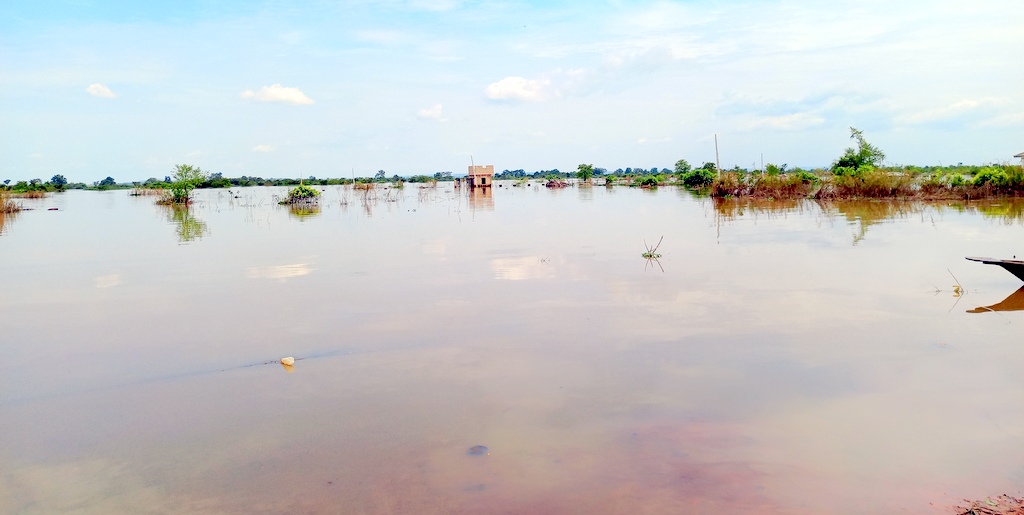
In recent years, Nigeria has faced back-to-back flood disasters, particularly affecting major food-producing regions. The National Emergency Management Agency (NEMA) reported that floods killed over 303 people and affected more than 1.2 million individuals last year, displacing over 673,000 people and inundating vast areas of farmland.
In response to these challenges, the NCCCS has adopted the theme “Amplifying Nature-Based Climate Solutions” for 2025, as outlined in Section 27 of the Climate Change Act 2021. To kick off this initiative, the NCCCS plans a technical site visit to the mangrove forests primarily located in the Niger Delta region, which is recognized as the largest in Africa and the third largest globally, covering approximately 5% of the world’s mangrove forests.
Maduekwe emphasized the potential of Nigeria’s mangrove forests to serve as a hub for global climate finance through the carbon market, highlighting their capacity for carbon sequestration and contribution to coastal resilience. The planned visit aims to assess the impact of climate change on these mangroves, foster collaboration for reforestation and conservation, and promote the country’s Nationally Determined Contributions (NDCs).
As part of the World’s Wetlands Day and in alignment with the 2025 theme, the NCCCS will convene a Stakeholder Town Hall Meeting in collaboration with the Nigeria Conservation Foundation and the Climate Change Council of Cross Rivers State. This meeting will provide a platform for stakeholders to discuss sustainable mangrove conservation and protection strategies.
A key outcome of the meeting will be the development of a National Roadmap on Mangrove Conservation, Reforestation, Afforestation, and Protection, which will align with the ongoing NDC 3.0 review and identify financing avenues for mangrove conservation in Nigeria. Maduekwe also mentioned the need to leverage the Mangrove Breakthrough Initiative launched at COP27, which aims to raise $4 billion in sustainable finance for mangrove conservation and reforestation.
In addition to the mangrove program, the NCCCS plans to implement several other climate-related activities throughout the year, including:
- Youth Climate Summit
- Tree Planting Initiatives for Earth Day and Environmental Day
- Capacity Building for Ministries, Departments, and Agencies (MDAs) on Climate Change Desk Operationalization
- Mangrove Art Exhibition
- Climate Negotiators Training
- Climate Security Summit
- Participation in UNFCCC COP 30
Maduekwe emphasized the importance of keeping all ministries informed about key dates related to the UNFCCC CoP30, with the NCCCS set to begin receiving accreditation requests on July 1, 2025, and the deadline for requests being September 29, 2025.
The Nigerian government’s focus on nature-based solutions, particularly through the conservation of mangrove forests, represents a proactive approach to addressing the climate crisis. By engaging stakeholders and leveraging local ecosystems, Nigeria aims to enhance its resilience to climate change while promoting sustainable development and economic growth.