Nature-Based Solutions; Assessing Nigeria’s Mangrove Conservation Strategy
-
 Loading...
 - Sammy Fegor
- 14 Jan 2025
- 35 Views
- 0 Like
- 0 Comment
Nigeria's commitment to utilizing nature-based solutions as a primary strategy for mitigating and adapting to the challenges posed by climate change underscores the importance of developing a national roadmap for the protection of its mangrove forests. This approach is essential due to the unique advantages of Nigeria's mangrove ecosystems, which possess exceptional carbon sequestration capabilities and play a critical role in enhancing coastal resilience. Furthermore, these mangroves have the potential to serve as a global climate financing hub through the carbon market.
Covering approximately 5% of the world's mangrove forests, Nigeria's mangrove ecosystem is the largest in Africa and the third largest globally. In 2022, during the Conference of Parties (COP27) to the United Nations Framework Convention on Climate Change (UNFCCC) held in Sharm el-Sheikh, Egypt, the Global Mangrove Alliance and the UN Climate High-Level Champions launched the Mangrove Breakthrough Initiative (MBI). This initiative aims to secure the future of mangrove ecosystems and raise an estimated four billion dollars for sustainable financing by 2030.
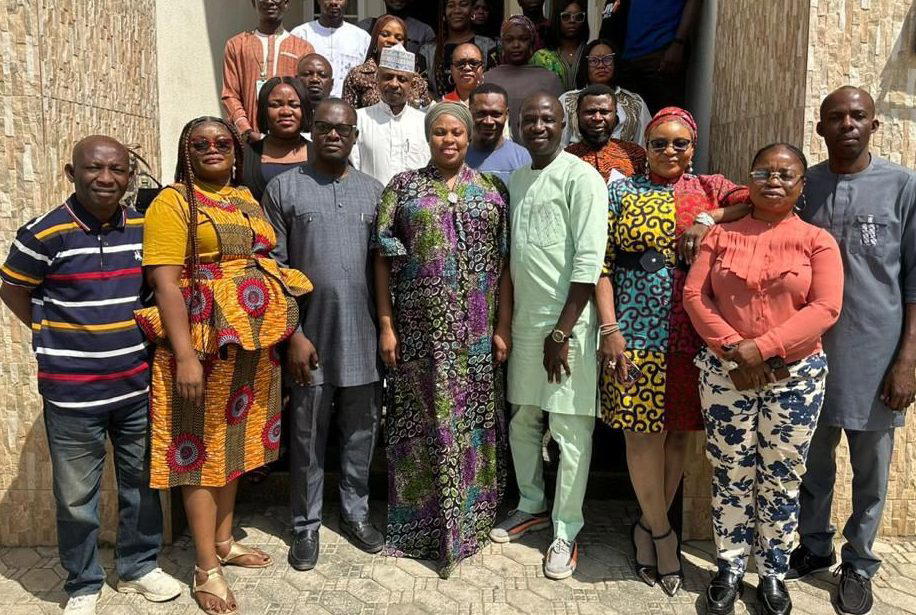
Dr. Nkiruka Maduekwe, the Director General of the National Council on Climate Change Secretariat (NCCCS), emphasizes the need for Nigeria to leverage this initiative to advance its nature-based climate solutions. Her commitment to mobilizing the nation for this critical task led her to convene a group of media specialists in Abuja on January 10, 2025. The goal of this meeting was to brainstorm effective collaboration strategies with the secretariat, particularly in educating the public about climate change and promoting behavioral changes.
Dr. Maduekwe's initiative reflects her understanding of the importance of climate literacy in enforcing compliance with the Climate Change Act (CCA 2021). The media plays a crucial role as a trusted conduit of information, and enhancing public awareness is essential for the successful implementation of climate policies. Goal 13 of the Sustainable Development Agenda calls for improving education, raising awareness, and building institutional and human capacity for climate change adaptation and mitigation. The relationship between the NCCCS and the media serves as a vital bridge, increasing the likelihood of mainstreaming climate change considerations across all sectors of the Nigerian economy.
Nigeria is among the nations most vulnerable to the adverse effects of climate change, with the population already experiencing the consequences through drought, rising temperatures, erosion, deforestation, flooding, desertification, and rising sea levels. These impacts are compounded by existing vulnerabilities, such as high poverty rates, with approximately 70% of Nigerians relying on climate-sensitive livelihoods, including smallholder farming, pastoralism, and fishing. With a population exceeding 220 million, projected to surpass 400 million by 2050, the urgency of addressing these challenges is paramount.
The NCCCS faces several pressing issues that require media support, and the secretariat has released a program plan focused on "Amplifying Nature-Based Climate Solutions" as a strategic roadmap for fulfilling its mandate. This plan includes various commendable projects, such as a youth climate summit, tree planting initiatives on Earth Day and Environmental Day, capacity building for ministries and departments to operationalize climate change desks, a mangrove art exhibition, climate negotiator training, town hall meetings, and participation in UNFCCC COP 30 in Brazil later in November.
While the engagement identified numerous ways to foster this partnership, it also acknowledged potential gaps, such as insufficient funding, which could hinder progress. The NCCCS has made a promising start in implementing its action plan, but financing climate education is crucial for developing civic awareness. This truth must be recognized to ensure that efforts are effectively aligned with the needs of the community and the environment, avoiding the pitfalls of mismatched strategies.
In conclusion, Nigeria's mangrove conservation strategy, supported by nature-based solutions, holds significant promise for addressing climate change challenges. By fostering collaboration between the NCCCS and the media, enhancing public awareness, and securing necessary funding, Nigeria can work towards a sustainable future that protects its vital ecosystems and supports the livelihoods of its citizens.