Urgent Call to Address Biodiversity Crisis

Global environmental leaders convened in Cali, Colombia, on Monday for the United Nations Biodiversity Conference (COP16), focusing on the alarming decline in biodiversity and the commitments made by nations to protect vital ecosystems. This two-week event serves as a follow-up to the historic 2022 Montreal meetings, where 196 countries signed a landmark treaty aimed at safeguarding biodiversity through 23 specific measures, including the ambitious goal of protecting 30% of the planet and 30% of degraded ecosystems by 2030.
In her opening remarks, Colombia’s environment minister and COP16 president, Susana Muhamad, emphasized the conference's potential to harness diverse knowledge and experiences from various cultures to create sustainable conditions for future societies in light of the ongoing environmental crisis.
The Dire State of Biodiversity
Linda Krueger, director of biodiversity at The Nature Conservancy, highlighted the dramatic decline in species abundance and distribution, noting that many wild species are losing their habitats and experiencing significant population declines. The United Nations Environment Programme reports that approximately 1 million plant and animal species are currently threatened with extinction, marking the largest loss of life on Earth since the dinosaurs.
Andrew Miller, advocacy director at Amazon Watch, pointed out that the Amazon rainforest faces numerous threats, including agricultural expansion, deforestation, forest fires, and drought, all of which compound the risks to biodiversity. A recent report from the WWF and the Zoological Society of London revealed that global wildlife populations have declined by an average of 73% over the past 50 years, with Latin America and the Caribbean experiencing an alarming 95% average decline in recorded wildlife populations.
Indigenous Communities: Key Guardians of Biodiversity
Indigenous peoples are recognized as crucial defenders of biodiversity and climate resilience, often at great personal risk. Miller noted the importance of amplifying Indigenous voices during COP16, as they possess invaluable knowledge and practices for environmental stewardship. Laura Rico, campaign director at Avaaz, stressed the need for the conference to acknowledge and support the legal recognition of Indigenous territories, as these communities have historically cared for the land through their governance systems.
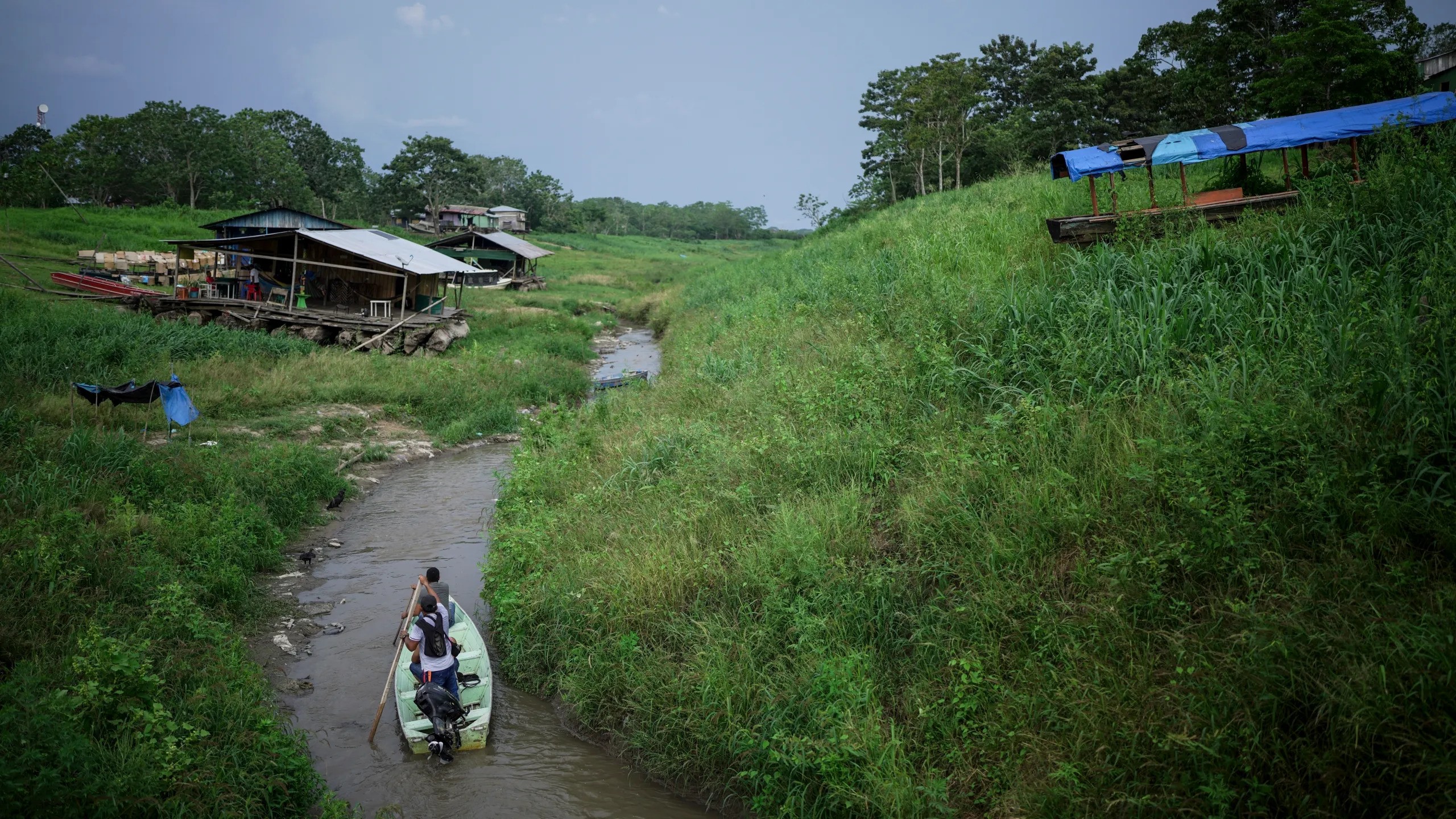
José Mendez, secretary of the National Organization of the Indigenous Peoples of the Amazon, highlighted the urgent situation faced by Indigenous communities due to climate change, particularly the unprecedented drought affecting the Amazon River and the resulting impact on local species.
A Call for Action and Hope for Recovery
Minister Muhamad reiterated that biodiversity is as crucial as the energy transition and decarbonization efforts, advocating for a comprehensive approach to environmental policy. Despite concerns about the slow progress made since the Montreal conference, Eva Zabey, executive director of Business for Nature, called for accelerated implementation of the global biodiversity framework, emphasizing that COP16 is a pivotal moment for transitioning from setting targets to taking tangible actions.
While the statistics regarding biodiversity loss are alarming, some environmentalists remain hopeful. Krueger pointed to successful species reintroductions and conservation efforts as evidence that recovery is possible when targeted actions address the root causes of decline. COP16 thus represents a critical opportunity for global leaders to commit to meaningful, actionable strategies to protect the planet's biodiversity for future generations.