Fungi Could Gain Flora and Fauna Status in New Conservation Plan
-
 Loading...
 - Antonio Cruz
- 25 Oct 2024
- 43 Views
- 0 Like
- 0 Comment
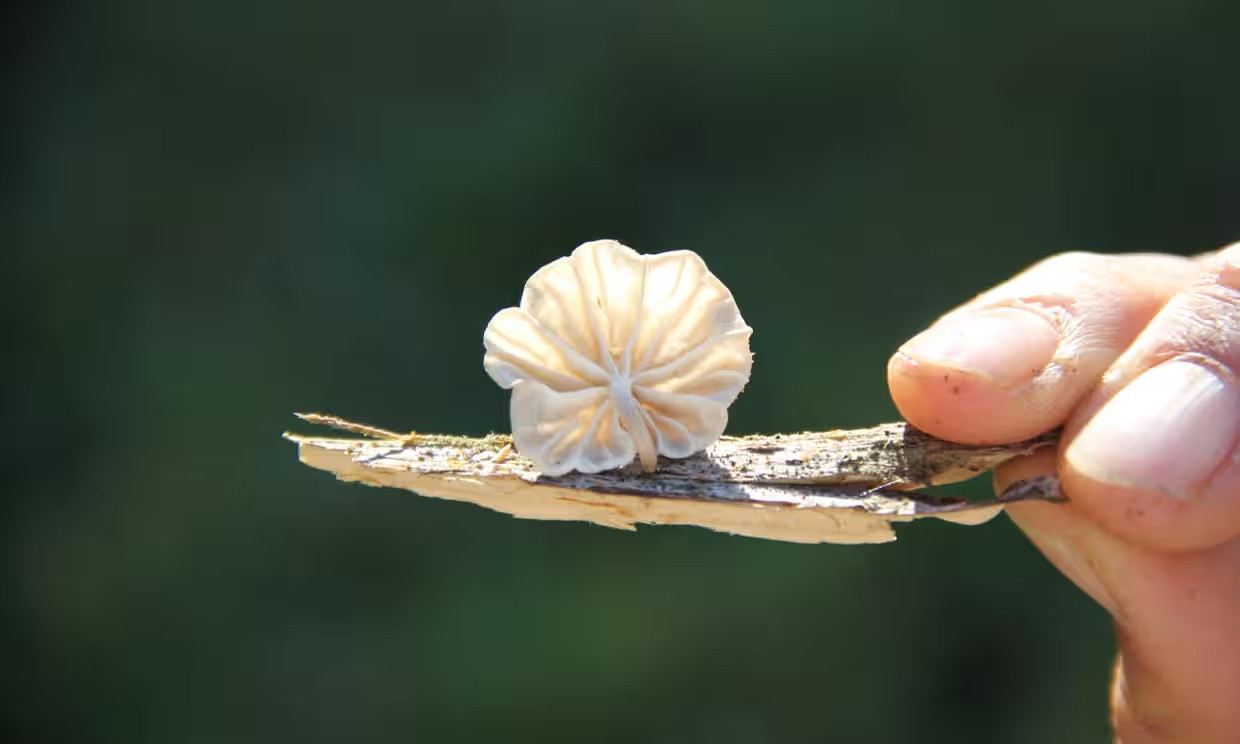
A groundbreaking initiative could see fungi—long overlooked in conservation efforts—gain recognition alongside plants and animals under a new conservation plan proposed by the UK and Chile. At the Cop16 meeting, currently underway in Cali, Colombia, the two nations are set to submit a proposal to the UN Convention on Biological Diversity (CBD), pushing for fungi to be recognized as an independent realm deserving its own protections. This shift could mark the beginning of a "mycelial conservation" era, elevating the status of mushrooms, molds, mildews, yeasts, and lichens worldwide.
The proposed "pledge for fungal conservation" seeks to cement fungi as a “kingdom of life” in policy, legislation, and international agreements, a change that advocates believe is essential for both ecosystem health and human welfare. The pledge argues that fungi play vital roles in soil remediation, carbon sequestration, and pollution breakdown. Without them, scientists warn, the survival of plants—and by extension, complex life on Earth—would be at serious risk.
“This is the most important thing that has ever happened in fungal conservation,” said Giuliana Furci, CEO of the Fungi Foundation, a key supporter of the 3F Initiative, which aims to establish "funga" as a recognized term alongside "flora" and "fauna." Furci explains that “funga” represents a holistic view of biodiversity, where fungi’s contributions to ecosystems are as valued as those of plants and animals. “Without fungi, our understanding of nature is incomplete, like diagnosing a disease without a blood test,” she remarked.
Why Fungi Matter
Fungi’s importance is often hidden beneath the soil, but scientists argue they are indispensable. Fungi form a network that enables most plants to thrive on land, absorbing essential nutrients and storing carbon. Moreover, fungi are used in diverse applications—from the fermentation processes in bread, cheese, wine, and beer to the development of medicines and industrial applications like breaking down plastics.
As Merlin Sheldrake, a biologist and author of Entangled Life, noted, “Fungi are largely invisible ecosystem engineers.” Yet, despite their central role in regulating climate and biodiversity, fungi have been neglected in most governmental and legal frameworks. Sheldrake stressed the need for action to combat the destruction of fungal communities, which exacerbates climate change and biodiversity loss, and to leverage fungi’s potential in addressing global crises.
Fungi's Role in Policy and Conservation
Chile has already been at the forefront of incorporating fungi into national environmental policies. For years, its environmental laws have required fungi to be included in environmental impact assessments. Now, Chile’s Environment Minister Maisa Rojas hopes that the CBD’s adoption of the pledge will encourage other nations to recognize fungi in their policies, citing fungi as “a unifying element” that connects issues of climate, nature, and pollution.
Meanwhile, legal scholars are pushing for fungi to have legal recognition and protection. César Rodríguez-Garavito, a Colombian legal scholar and head of NYU’s Earth Rights Research & Action Clinic, argues that fungi’s underrepresentation in law is a justice issue. "Fungi need to be included in the CBD’s legal framework of biodiversity,” he said, emphasizing the unified purpose seen across conservation sectors on this issue.
Support from Conservation Leaders
The International Union for Conservation of Nature and the Royal Botanic Gardens Kew have also thrown their support behind the initiative. Alexandre Antonelli, director of science at Kew, points out that while fungi are essential to food security, medicine, and ecosystem resilience, only 0.4% of fungal species have been assessed for vulnerability. Kew’s extensive fungarium, the largest in the world with over 1.25 million specimens, is working to sequence fungi DNA, shedding light on fungal diversity and potential medical benefits.
Antonelli sees the pledge as an opportunity to bring fungal conservation into the public eye, citing the vast, untapped potential of fungal species. “Funga is the next frontier of diversity science,” he noted, alluding to the impact fungi may have on future breakthroughs. He recalled Alexander Fleming’s discovery of penicillin, derived from a green mold and pivotal in modern medicine. Antonelli also pointed to yeast’s role in producing statins, which lower cholesterol, and invited people to appreciate fungi’s everyday contributions: “When you drink your glass of beer on Friday, remember you have fungi to thank for that.”
As the world grapples with interconnected environmental crises, the proposal could lead to a historic shift in how fungi are perceived and protected, marking a new chapter for conservation efforts and, possibly, the future of biodiversity on Earth.