The Consequences of Forests Stopping Carbon Absorption: Insights from Finland
-
 Loading...
 - Layla Mido
- 17 Oct 2024
- 45 Views
- 0 Like
- 0 Comment
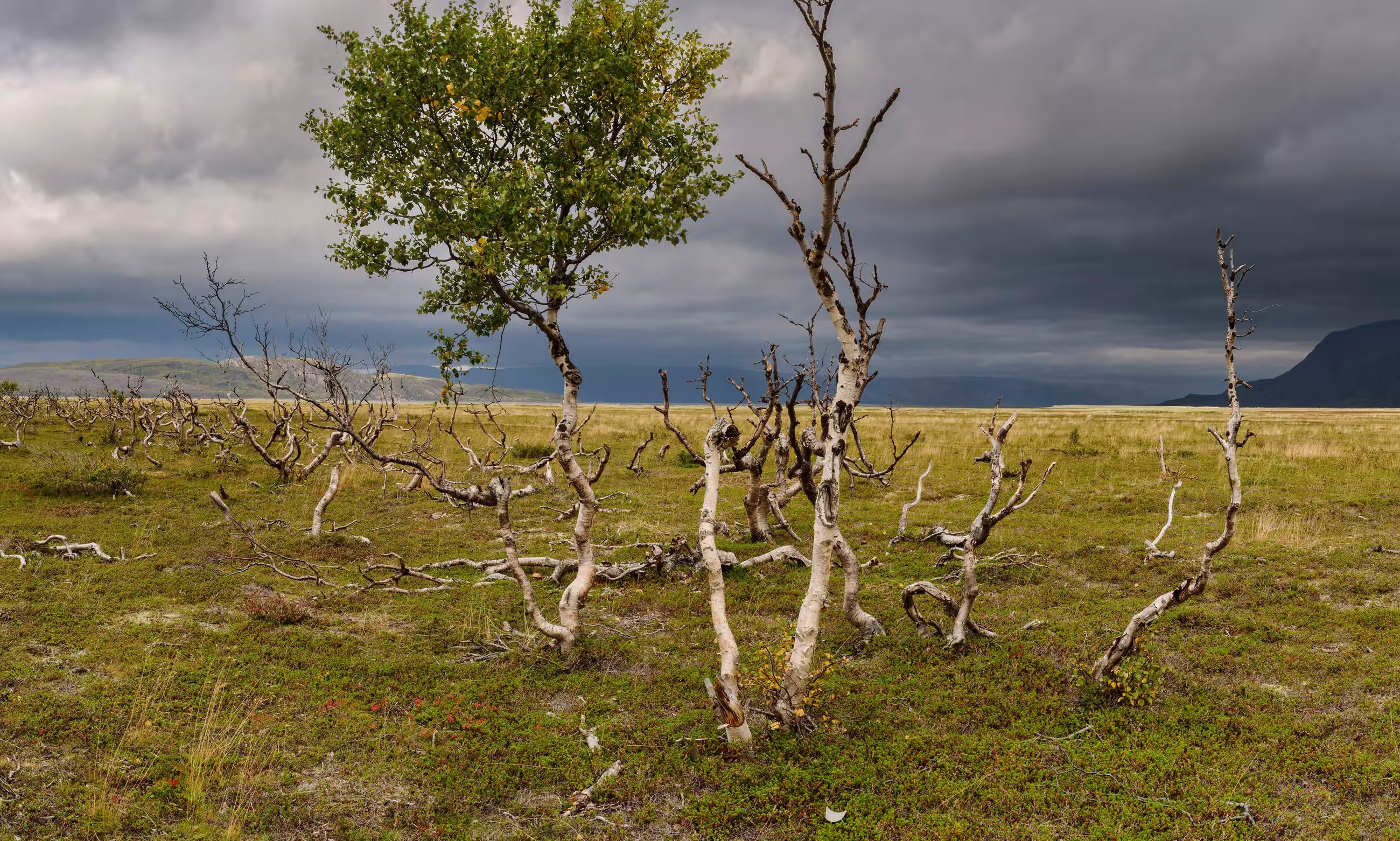
The situation in Finland serves as a stark reminder of the critical role forests play in combating climate change. As Tiina Sanila-Aikio observes, the recent unprecedented heat and dryness in Finnish Lapland highlight the fragility of boreal ecosystems. The decline in carbon absorption by forests has significant implications not only for Finland but for global climate efforts.
Boreal forests, or Taiga, are vital carbon sinks that have historically absorbed more carbon dioxide than they release. In Finland, these forests cover nearly 70% of the land and have been integral to the country’s ambitious goal of achieving carbon neutrality by 2035. However, the alarming trend of declining carbon absorption since around 2010 has raised serious concerns.
The data is troubling: Finland's forest carbon sink has decreased by about 90% from 2009 to 2022. This decline is attributed to a combination of factors, including increased emissions from soil and peat, as well as the impacts of climate change itself. By 2021-22, Finland's land sector transitioned from being a carbon sink to a net contributor to global warming, undermining decades of progress in emission reductions.
The implications of this decline are profound. Despite Finland cutting emissions by 43% across other sectors, the overall net emissions remain at levels comparable to the early 1990s. This stagnation illustrates the critical importance of maintaining healthy carbon sinks in achieving climate goals. Juha Mikola from the Natural Resources Institute Finland emphasizes that without the land sector acting as a carbon sink, reaching carbon neutrality becomes exceedingly difficult.
Finland is not alone in this struggle. At least 118 countries rely on natural carbon sinks to meet their climate targets. As forests and peatlands face threats from human activity and climate change, the reliability of these carbon sinks is increasingly in jeopardy. The potential collapse of these ecosystems could hinder global efforts to mitigate climate change, making it imperative for nations to address the health of their forests.
The situation in Finland serves as a cautionary tale about the interconnectedness of climate systems and the importance of preserving natural carbon sinks. As forests continue to face unprecedented challenges, the need for sustainable management and restoration efforts becomes more urgent. Without healthy forests to absorb carbon, the world faces a daunting challenge in the fight against climate change, underscoring the necessity of immediate action to protect these vital ecosystems.