Reintroduction of Swiss Bearded Vulture a rare win for Wildlife Population, WWF
-
 Loading...
 - Rio Fraser
- 15 Oct 2024
- 46 Views
- 0 Like
- 0 Comment
The reintroduction of the bearded vulture in Switzerland offers a rare glimmer of hope amid the troubling decline of global wildlife populations, according to the World Wildlife Fund (WWF). This conservation win contrasts sharply with the findings of WWF's Living Planet Report 2024, which paints a bleak picture of biodiversity loss, noting that 73% of global wild animal populations have vanished since 1970.
A Grim Global Trend
WWF’s report, based on the analysis of 35,000 populations from 5,495 species across mammals, birds, amphibians, reptiles, and fish, highlights the alarming state of global biodiversity. Declines are seen across all continents, though the extent varies:
- South America and the Caribbean have experienced the most severe decline, with 95% of populations disappearing.
- In Europe and Central Asia, wildlife populations have fallen by 35%, while North America has seen a 39% decrease.
These figures are slightly lower because the most significant biodiversity losses in these regions occurred before 1970.
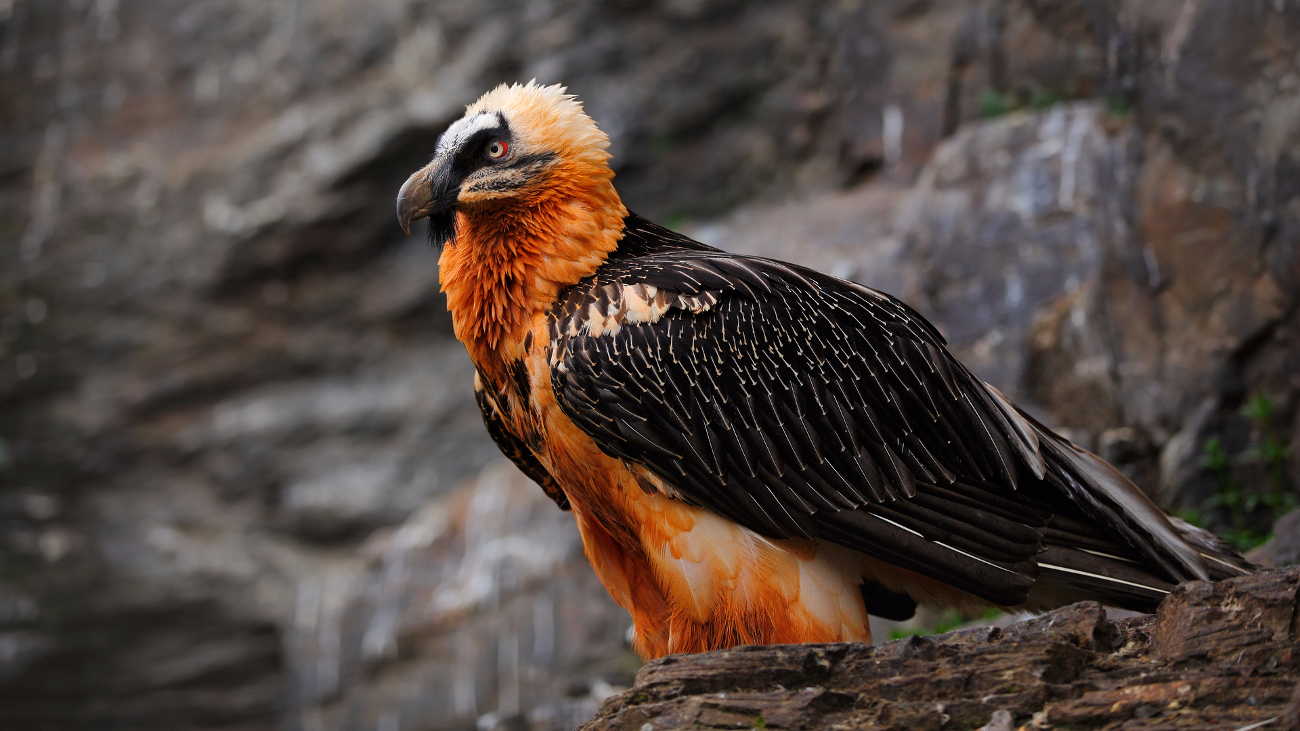
The return of the bearded vulture to Switzerland represents one of the few ecological victories in recent decades. Once driven to near extinction in the Alps due to hunting and habitat destruction, the species has slowly been reintroduced through conservation efforts, signaling the potential for recovery with proper intervention.
A Call for Global Action
In the wake of such dramatic losses, WWF is calling for a global conservation campaign. This effort would include:
- Expanding protected areas to preserve biodiversity-rich regions.
- Halting habitat destruction to prevent further species decline.
- Promoting sustainable agriculture and responsible consumption, particularly in regions like Switzerland, which can play a pivotal role in mitigating biodiversity loss through environmental stewardship.
WWF emphasizes that healthy wildlife populations are essential for maintaining balanced ecosystems. Their decline threatens not only biodiversity but also food security and the well-being of human populations.
Sustainable Practices as the Path Forward
Switzerland is urged to take the lead by adopting sustainable agricultural practices and encouraging consumers to make environmentally responsible choices. These actions could not only help stabilize local biodiversity but also serve as a model for other regions.
The return of the bearded vulture shows that conservation efforts can succeed, but the broader challenges outlined by WWF underscore the need for urgent, coordinated global action. Protecting what remains of the natural world is critical—not just for wildlife, but for humanity’s future as well.