High Fertiliser Use Halves Numbers of Pollinators, World’s Longest Study Finds

A study from the University of Sussex and Rothamsted Research has revealed that high levels of fertiliser use on grassland significantly reduce pollinator populations and flower diversity. This research, part of the world’s longest-running ecological experiment, highlights the detrimental effects of common fertilisers on the environment.
The study found that increasing the application of nitrogen, potassium, and phosphorus fertilisers led to a dramatic decline in both flower numbers and pollinating insects. Specifically, the research indicated that:
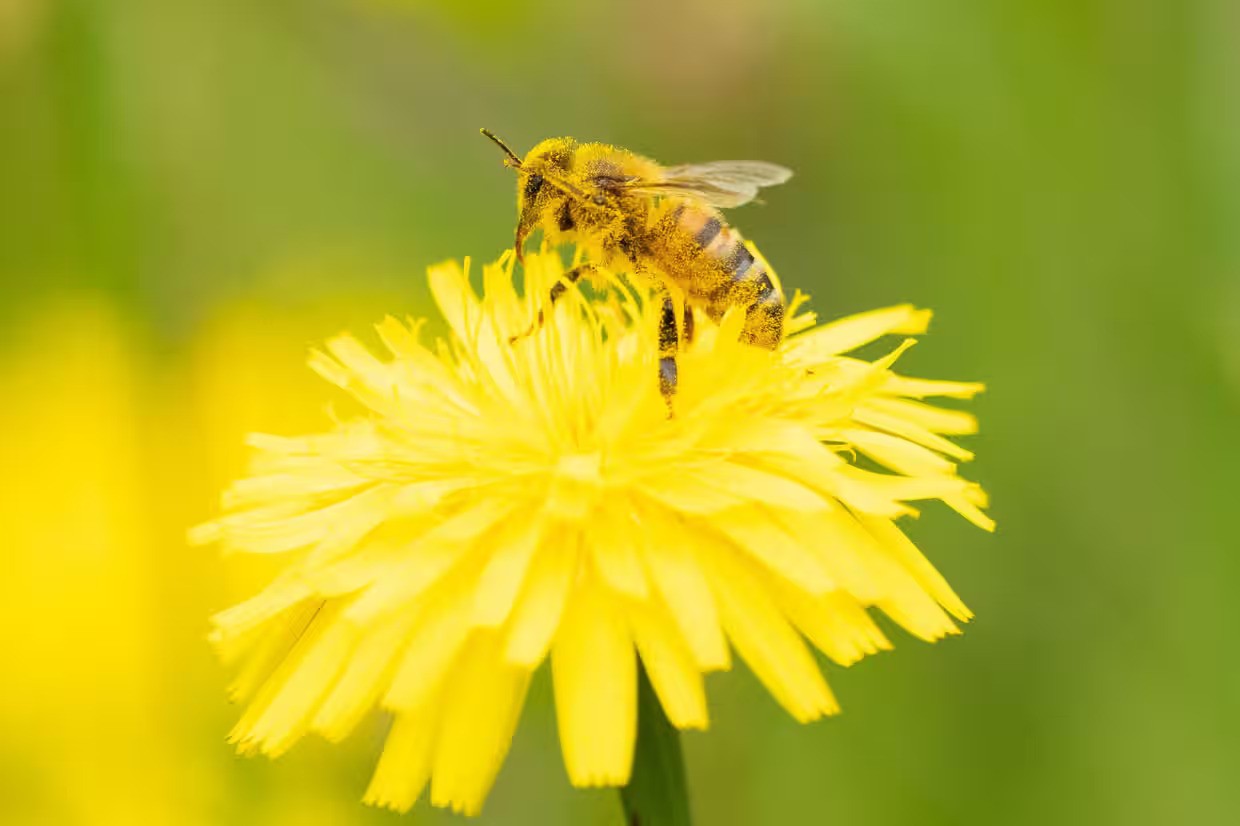
i. Pollinator Numbers: The use of high levels of fertiliser resulted in a 50% reduction in pollinator numbers, with bees being particularly affected. In plots free from chemical fertilisers, there were over nine times more bees compared to those treated with the highest levels of fertiliser.
ii. Flower Diversity: The number of flowers decreased fivefold in areas with average fertiliser application, which is about 100 kg per hectare in the UK. Even at this average level, there were 42% fewer pollinators compared to untreated land.
Dr. Nicholas Balfour, the lead researcher, emphasized the direct link between increased fertiliser use and declining pollinator populations, stating, “As you increase fertilisers, pollinator numbers decrease. It’s having a drastic effect on flowers and insects, with knock-on effects up the food chain.”
The study suggests that fertilisers create conditions that favor fast-growing grasses, which outcompete other plant species, including flowering plants. This dominance reduces the diversity of flowers available, which is crucial for supporting a variety of pollinators that often have specific preferences for certain blooms.
The research was conducted at Rothamsted, Hertfordshire, on the Park Grass strips, which have been under observation since 1856. This long-term perspective provides valuable insights into the ecological impacts of fertiliser use over time.
The findings raise significant concerns about the trade-offs faced by farmers. To enhance flower and pollinator diversity, land must be less fertile, which can lead to reduced agricultural yields. The researchers highlight the need for financial incentives in the UK and EU to encourage biodiversity-friendly farming practices.
Prof. Francis Ratnieks, an entomologist at Sussex University, noted the importance of this study in the context of rising fertiliser demand and declining pollinator populations. He stated, “This study could not have come at a better time, as we seek to understand how landowners can best help bees and other pollinators through open grassland areas.”
The researchers advocate for a shift in agricultural practices, suggesting that reducing grassland production intensity could yield multiple benefits, including improved pollinator health, enhanced soil quality, better air quality, and increased resilience to extreme weather events.
Dr. Philip Donkersley, a senior researcher in ecology and evolution at Lancaster University, praised the study for its long-term approach, stating, “This is approaching 150 years of applying chemical and organic fertilisers, and therefore much more reflective of what has been happening on British farms.”
The findings from this extensive study underscore the urgent need to reconsider fertiliser use in agriculture to protect pollinator populations and promote biodiversity. As the agricultural sector grapples with the challenges of maintaining productivity while supporting ecological health, the insights from this research could inform future policies and practices aimed at fostering a more sustainable and resilient agricultural landscape.