Tracking an Elusive Turtle with Genetic Clues from Nature
-
 Loading...
 - Rakesh Ban
- 18 Dec 2024
- 31 Views
- 0 Like
- 0 Comment
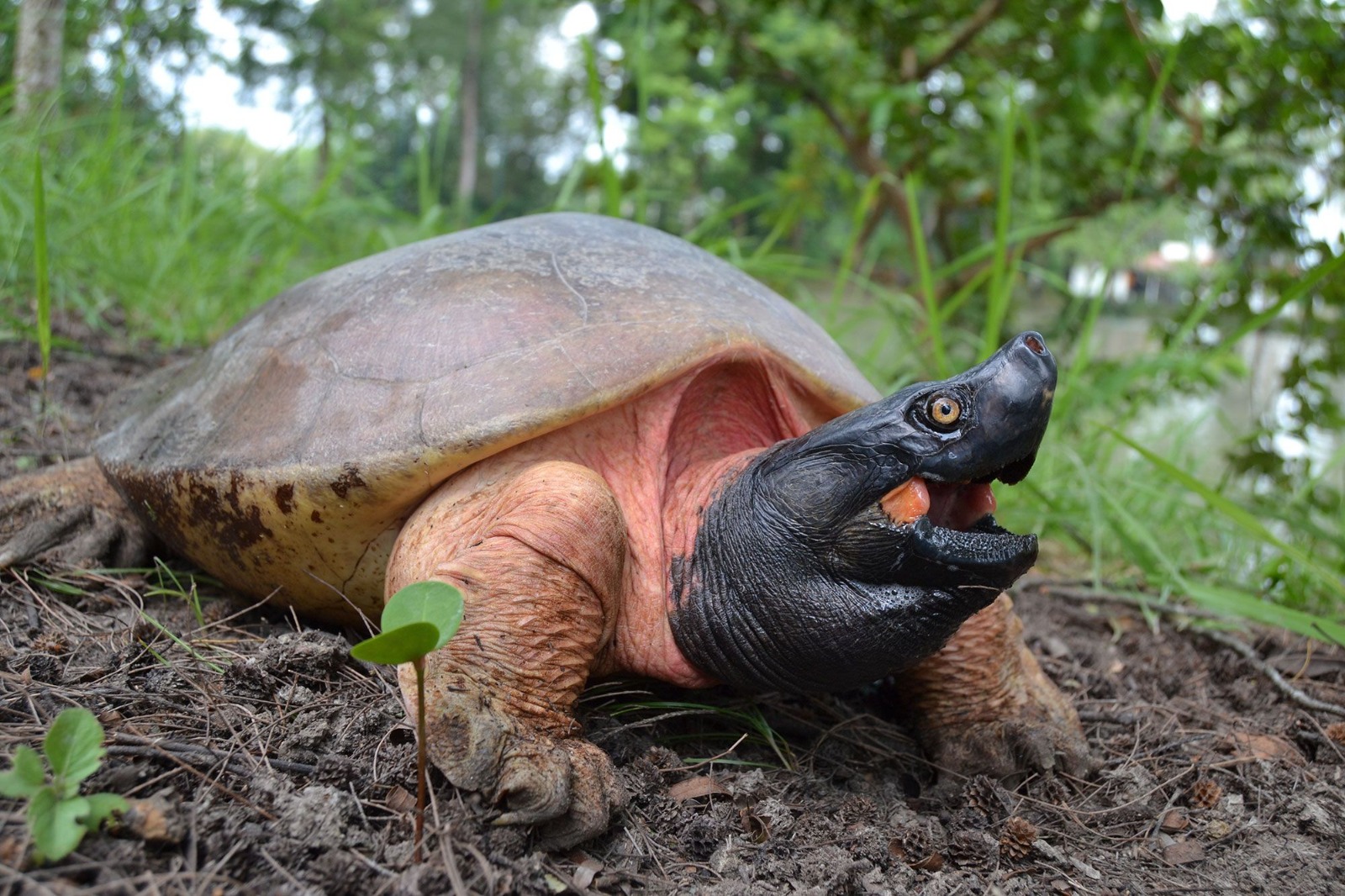
The northern river terrapin, scientifically known as Batagur baska, is a critically endangered species that once thrived in the mangrove-lined rivers and estuaries of Myanmar and the Sundarbans in India and Bangladesh. Unfortunately, this small turtle species has seen a dramatic decline, with no adult sightings reported in recent years. The International Union for Conservation of Nature (IUCN) has classified it as critically endangered, highlighting the urgent need for conservation efforts.
Traditional methods of detecting these elusive turtles, such as boat-based visual surveys, have proven inadequate due to their sensitivity to human activities and their declining populations. To address this, the Wildlife Institute of India (WII) has implemented an innovative approach using environmental DNA (eDNA) analysis. This method involves collecting water samples from the turtles' habitat and analyzing them for traces of DNA shed through mucus, fecal matter, or scales.
The WII team successfully detected the DNA of the Batagur genus in water samples, providing hope for future conservation actions. However, the eDNA methodology presents challenges, particularly in vast habitats like the Sundarbans, where large amounts of samples must be collected and processed quickly to prevent DNA degradation. As WII scientist Abhijit Das noted, “It’s like searching for a needle in a forest,” but it remains a viable option for monitoring this rare species.
The northern river terrapin plays a crucial role in its ecosystem as an omnivorous turtle that helps maintain the aquatic food chain. It feeds on fish, invertebrates, carrion, and plant materials, contributing to seed dispersal and mineral cycling. With its olive-grey carapace, it blends seamlessly into the alluvial soil of the Sundarbans, making it difficult to spot.
Despite its ecological importance, the species has faced significant threats from hunting and habitat loss. Historical records indicate that during the British era, the harvesting of turtle eggs was legal, leading to the collection of approximately 70,000 eggs annually. Overexploitation for meat and eggs, along with illegal poaching, has severely impacted the population.
Habitat loss is another critical factor contributing to the decline of Batagur baska. The construction of the Farakka barrage across the Ganga River has reduced freshwater flow into the Sundarbans, resulting in increased salinity levels in the rivers. Over the past decade, salinity has doubled from 10 parts per thousand (ppt) to 20 ppt, exceeding the species' tolerance. Additionally, tropical cyclones have eroded sandy beaches, which serve as potential nesting sites.
In 2022, an effort to release ten sub-adult terrapins from acclimatization colonies into the wild resulted in most of them migrating to Bangladesh, indicating a lack of suitable habitat within the Indian Sundarbans. Experts suggest that the less saline and less developed conditions in the Bangladesh Sundarbans make it a more suitable environment for the species.
The West Bengal Forest Department initiated a captive breeding program for Batagur baska in 1988, but it was abandoned in the late 1990s due to administrative issues. The program was revived in 2008 through a collaboration with the Turtle Survival Alliance (TSA) India. Since the inception of the in-situ conservation program in 2012, the population of captive terrapins has increased from 12 to 397 individuals.
Despite these efforts, the conservation program faces significant challenges, including funding shortages. Government sources indicate that while the total budget for the program was around Rs. 2.5 crores for 2023-24, only Rs. 40 lakhs were released, leading to a financial crunch.
The WII team has conducted habitat suitability analyses and identified potential areas for reintroducing the turtle species in protected mangrove habitats in Odisha, in addition to the Sundarbans. They emphasize the importance of conducting comprehensive studies on the ecology of Batagur baska, its role in local biodiversity, and long-term monitoring.
Given that Batagur baska is a transboundary species, successful conservation efforts may require collaboration with Bangladesh. As S. Justin Jones, deputy director of the Sundarbans Tiger Reserve, noted, “Concerted efforts are essential to reintroduce and repopulate them in the wild.” The establishment of a gene bank and fine-tuning of breeding processes are steps in the right direction, but habitat disturbances remain a significant challenge.
The plight of the northern river terrapin highlights the complexities of wildlife conservation in the face of human activities and environmental changes. Innovative approaches like eDNA analysis offer hope for monitoring and protecting this elusive species.