Advancing conservation with AI-based facial recognition of turtles
-
 Loading...
 - Beauty Adusei
- 14 Sep 2022
- 63 Views
- 0 Like
- 0 Comment
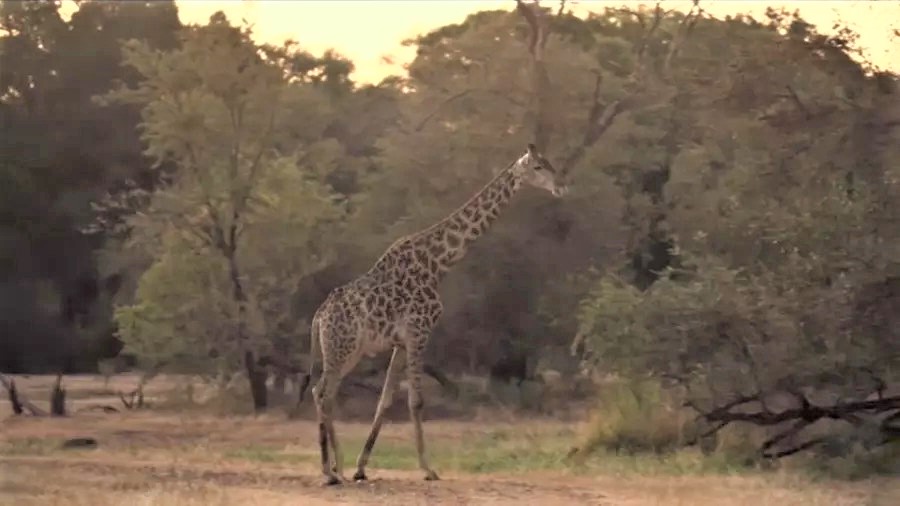
Protecting the ecosystems around us is critical to safeguarding the future of our planet and all its living citizens. Fortunately, new artificial intelligence (AI) systems are making progress in conservation efforts worldwide, helping tackle complex problems at scale – from studying the behaviour of animal communities in the Serengeti to help conserve the diminishing ecosystem, to spotting poachers and their wounded prey to prevent species going extinct.
As part of our mission to help benefit humanity with the technologies we develop, it's important we ensure diverse groups of people build the AI systems of the future so that it’s equitable and fair. This includes broadening the machine learning (ML) community and engaging with wider audiences on addressing important problems using AI.
Through investigation, we came across Zindi – a dedicated partner with complementary goals – who are the largest community of African data scientists and host competitions that focus on solving Africa’s most pressing problems.
Our Science team’s Diversity, Equity, and Inclusion (DE&I) team worked with Zindi to identify a scientific challenge that could help advance conservation efforts and grow involvement in AI. Inspired by Zindi’s bounding box turtle challenge, we landed on a project with the potential for real impact: turtle facial recognition.
Biologists consider turtles to be an indicator species. These are classes of organisms whose behaviour helps scientists understand the underlying welfare of their ecosystem. For example, the presence of otters in rivers has been considered a sign of a clean, healthy river, since a ban on chlorine pesticides in the 1970s brought the species back from the brink of extinction.
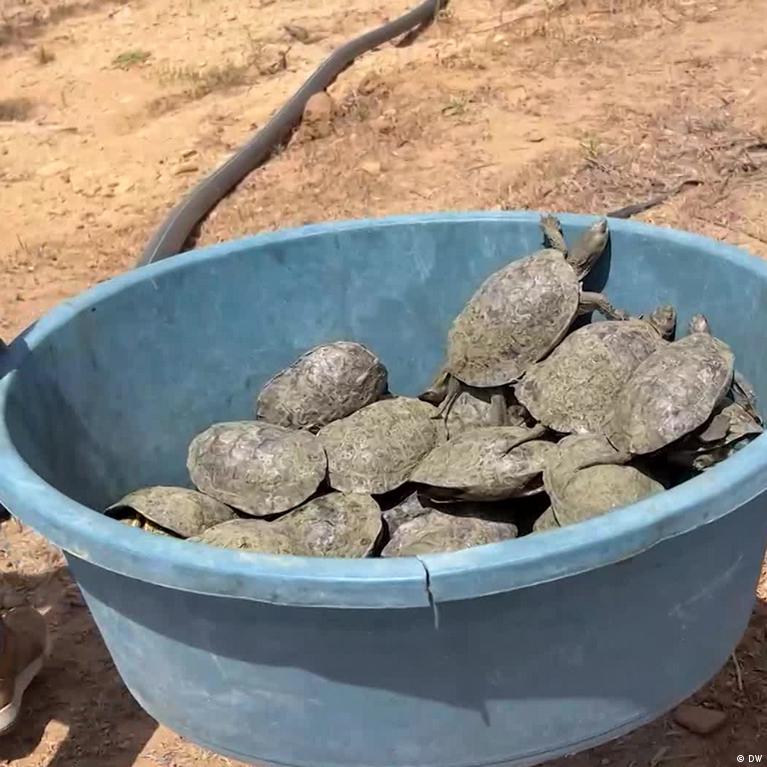
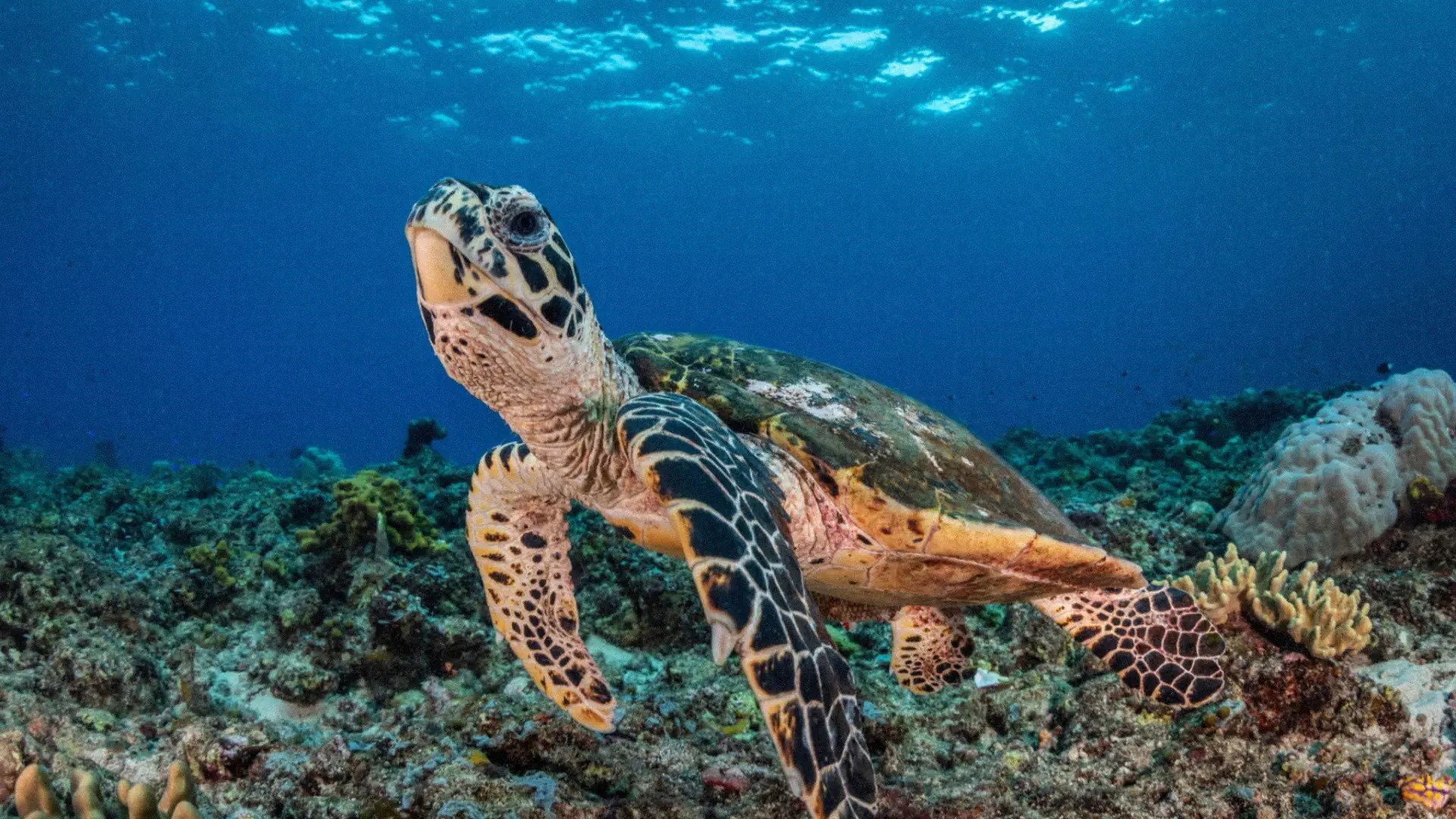
Turtles are another such species. By grazing on seagrass cover, they cultivate the ecosystem, providing a habitat for numerous fish and crustaceans. Traditionally, individual turtles have been identified and tracked by biologists with physical tags, though frequent loss or erosion of these tags in seawater has made this an unreliable method. To help solve some of these challenges, we launched an ML challenge called Turtle Recall.