Home Upload Photo Upload Videos Write a Blog Analytics Messaging Streaming Create Adverts Creators Program
Bebuzee Afghanistan Bebuzee Albania Bebuzee Algeria Bebuzee Andorra Bebuzee Angola Bebuzee Antigua and Barbuda Bebuzee Argentina Bebuzee Armenia Bebuzee Australia Bebuzee Austria Bebuzee Azerbaijan Bebuzee Bahamas Bebuzee Bahrain Bebuzee Bangladesh Bebuzee Barbados Bebuzee Belarus Bebuzee Belgium Bebuzee Belize Bebuzee Benin Bebuzee Bhutan Bebuzee Bolivia Bebuzee Bosnia and Herzegovina Bebuzee Botswana Bebuzee Brazil Bebuzee Brunei Bebuzee Bulgaria Bebuzee Burkina Faso Bebuzee Burundi Bebuzee Cabo Verde Bebuzee Cambodia Bebuzee Cameroon Bebuzee Canada Bebuzee Central African Republic Bebuzee Chad Bebuzee Chile Bebuzee China Bebuzee Colombia Bebuzee Comoros Bebuzee Costa Rica Bebuzee Côte d'Ivoire Bebuzee Croatia Bebuzee Cuba Bebuzee Cyprus Bebuzee Czech Republic Bebuzee Democratic Republic of the Congo Bebuzee Denmark Bebuzee Djibouti Bebuzee Dominica Bebuzee Dominican Republic Bebuzee Ecuador Bebuzee Egypt Bebuzee El Salvador Bebuzee Equatorial Guinea Bebuzee Eritrea Bebuzee Estonia Bebuzee Eswatini Bebuzee Ethiopia Bebuzee Fiji Bebuzee Finland Bebuzee France Bebuzee Gabon Bebuzee Gambia Bebuzee Georgia Bebuzee Germany Bebuzee Ghana Bebuzee Greece Bebuzee Grenada Bebuzee Guatemala Bebuzee Guinea Bebuzee Guinea-Bissau Bebuzee Guyana Bebuzee Haiti Bebuzee Honduras Bebuzee Hong Kong Bebuzee Hungary Bebuzee Iceland Bebuzee India Bebuzee Indonesia Bebuzee Iran Bebuzee Iraq Bebuzee Ireland Bebuzee Israel Bebuzee Italy Bebuzee Jamaica Bebuzee Japan Bebuzee Jordan Bebuzee Kazakhstan Bebuzee Kenya Bebuzee Kiribati Bebuzee Kuwait Bebuzee Kyrgyzstan Bebuzee Laos Bebuzee Latvia Bebuzee Lebanon Bebuzee Lesotho Bebuzee Liberia Bebuzee Libya Bebuzee Liechtenstein Bebuzee Lithuania Bebuzee Luxembourg Bebuzee Madagascar Bebuzee Malawi Bebuzee Malaysia Bebuzee Maldives Bebuzee Mali Bebuzee Malta Bebuzee Marshall Islands Bebuzee Mauritania Bebuzee Mauritius Bebuzee Mexico Bebuzee Micronesia Bebuzee Moldova Bebuzee Monaco Bebuzee Mongolia Bebuzee Montenegro Bebuzee Morocco Bebuzee Mozambique Bebuzee Myanmar Bebuzee Namibia Bebuzee Nauru Bebuzee Nepal Bebuzee Netherlands Bebuzee New Zealand Bebuzee Nicaragua Bebuzee Niger Bebuzee Nigeria Bebuzee North Korea Bebuzee North Macedonia Bebuzee Norway Bebuzee Oman Bebuzee Pakistan Bebuzee Palau Bebuzee Panama Bebuzee Papua New Guinea Bebuzee Paraguay Bebuzee Peru Bebuzee Philippines Bebuzee Poland Bebuzee Portugal Bebuzee Qatar Bebuzee Republic of the Congo Bebuzee Romania Bebuzee Russia Bebuzee Rwanda Bebuzee Saint Kitts and Nevis Bebuzee Saint Lucia Bebuzee Saint Vincent and the Grenadines Bebuzee Samoa Bebuzee San Marino Bebuzee São Tomé and Príncipe Bebuzee Saudi Arabia Bebuzee Senegal Bebuzee Serbia Bebuzee Seychelles Bebuzee Sierra Leone Bebuzee Singapore Bebuzee Slovakia Bebuzee Slovenia Bebuzee Solomon Islands Bebuzee Somalia Bebuzee South Africa Bebuzee South Korea Bebuzee South Sudan Bebuzee Spain Bebuzee Sri Lanka Bebuzee Sudan Bebuzee Suriname Bebuzee Sweden Bebuzee Switzerland Bebuzee Syria Bebuzee Taiwan Bebuzee Tajikistan Bebuzee Tanzania Bebuzee Thailand Bebuzee Timor-Leste Bebuzee Togo Bebuzee Tonga Bebuzee Trinidad and Tobago Bebuzee Tunisia Bebuzee Turkey Bebuzee Turkmenistan Bebuzee Tuvalu Bebuzee Uganda Bebuzee Ukraine Bebuzee United Arab Emirates Bebuzee United Kingdom Bebuzee United States Bebuzee Uruguay Bebuzee Uzbekistan Bebuzee Vanuatu Bebuzee Venezuela Bebuzee Vietnam Bebuzee World Wide Bebuzee Yemen Bebuzee Zambia Bebuzee Zimbabwe
Blog Image

All coral reefs in western Indian Ocean ‘at high risk of collapse in next 50 years'

Reefs from Seychelles to South Africa may become functionally extinct due to global heating and overfishing, study finds

All coral reefs in the western Indian Ocean are at high risk of collapse in the next 50 years due to global heating and overfishing, according to a new assessment.

From Seychelles to the Delagoa region off the coast of Mozambique and South Africa, the reef systems are at risk of becoming functionally extinct by the 2070s, with a huge loss of biodiversity, and threatening the livelihoods and food sources for hundreds of thousands of people.

The study, published today in the journal Nature Sustainability, examined coral reefs in 10 countries around the western Indian ocean. It analysed the health of 11 sub-regions using the International Union for the Conservation of Nature’s (IUCN) red list of ecosystems framework, akin to the method used to examine a plant or animal’s risk of extinction.

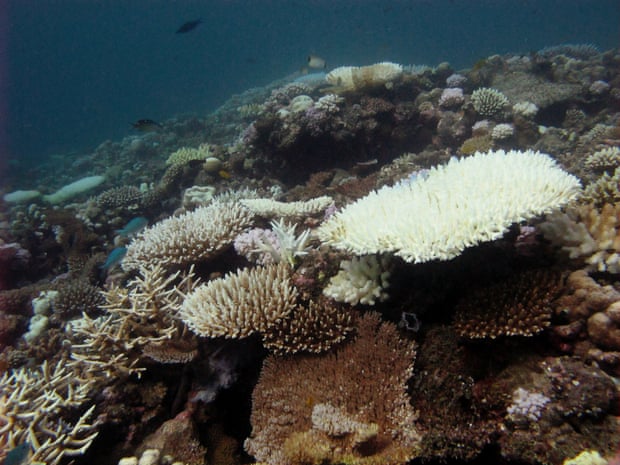
The assessment found reefs in island nations in particular were highly threatened due to rising water temperatures driven by global heating, which is making bleaching events – when corals expel algae living in their tissue, causing them to turn completely white – more common. Reefs in eastern and southern Madagascar, the Comoros and Mascarene Islands were all classified as critically endangered.

Reefs in north Seychelles and along the entire east African coast were classified as vulnerable to collapse due to overfishing – especially of top predators – which is altering their ecology and promoting a build-up of different algae that can smother coral.

David Obura, chair of the IUCN corals group, who led the study, said that while the global decline of coral reefs has been established for some time, region-specific assessments of specific regions provided greater clarity about the causes and the extent of the damage.

“The most urgent threat is from climate change up to 50 years from now. But while we estimate 50 years into the future, whether we can meet the 1.5C [rise] future or not depends on what we do in the next 10 years. So, it’s really a 10-year horizon that we have to be concerned about,” he said.

“The collapse of a reef means it becomes functionally extinct as a reef system. You might still find some species there but they won’t be able to construct a reef any more. All of the services we get – coastal protection from sea-level rise, tourism, fisheries, especially for low-income households and communities – are at risk. The tourism sector is huge in east Africa and it depends on heathy reefs.”

Since the 1950s, the world’s coral reef cover has halved due to global heating, overfishing, pollution and habitat destruction. The decline of the ecosystems, which are vital nurseries for juvenile fish globally, is expected to continue as the climate continues to heat. Read More…

 

Previous Post

Mountain gorillas of Rwanda making a comeback

Next Post

A new baby Philippine eagle just hatched

Comments