India’s Indigenous people pay price of tiger conservation
-
 Loading...
 - Mahit Iyer
- 25 Apr 2023
- 72 Views
- 0 Like
- 0 Comment
Several Adivasi groups say the conservation strategies mean uprooting numerous communities from forests.
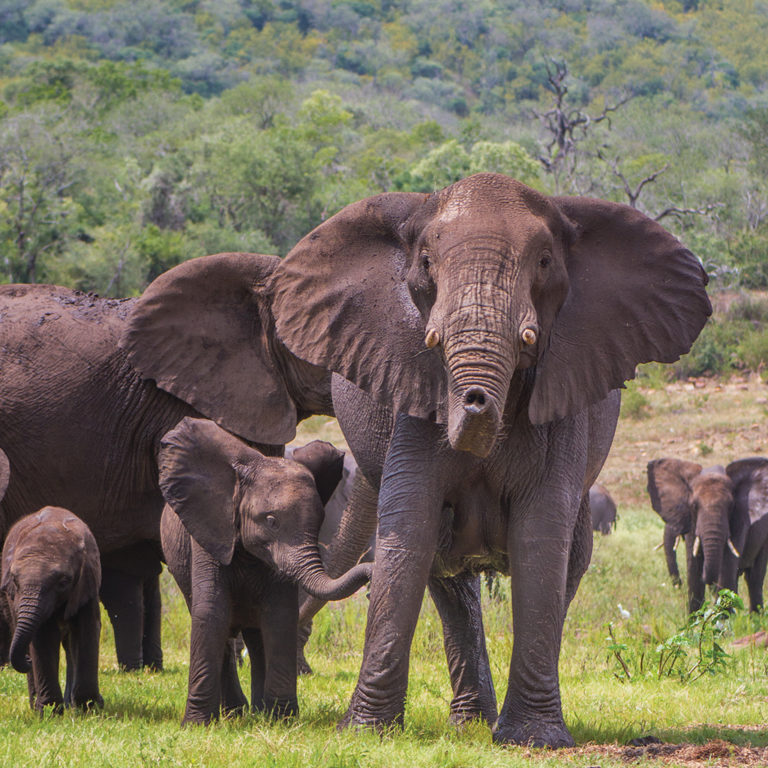
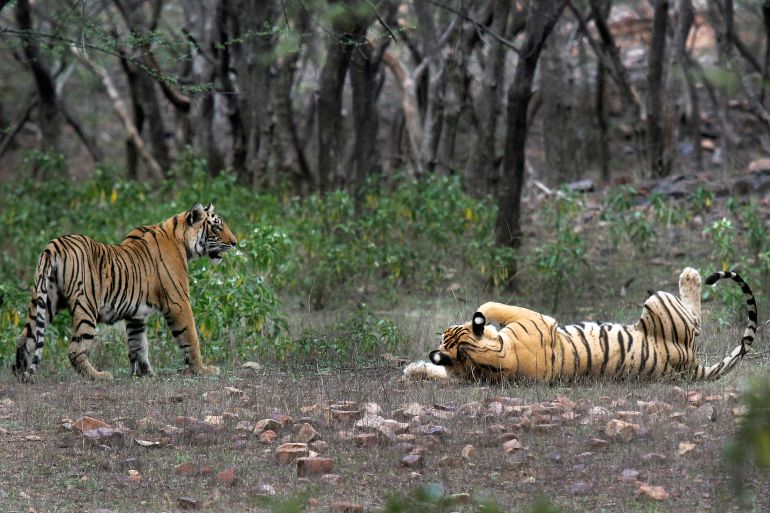
Officials were celebrating just hours away from several of India’s major tiger reserves when Prime Minister Narendra Modi announced in the southern city of Mysuru that the country’s tiger population has steadily grown to more than 3,000 since its flagship conservation programme began 50 years ago over concerns that the numbers of the big cats were dwindling.
“India is a country where protecting nature is part of our culture,” Modi said in his speech on Sunday. “This is why we have many unique achievements in wildlife conservation.”
Modi also launched the International Big Cats Alliance, which he said will focus on the protection and conservation of seven big cat species: the tiger, lion, leopard, snow leopard, puma, jaguar and cheetah.
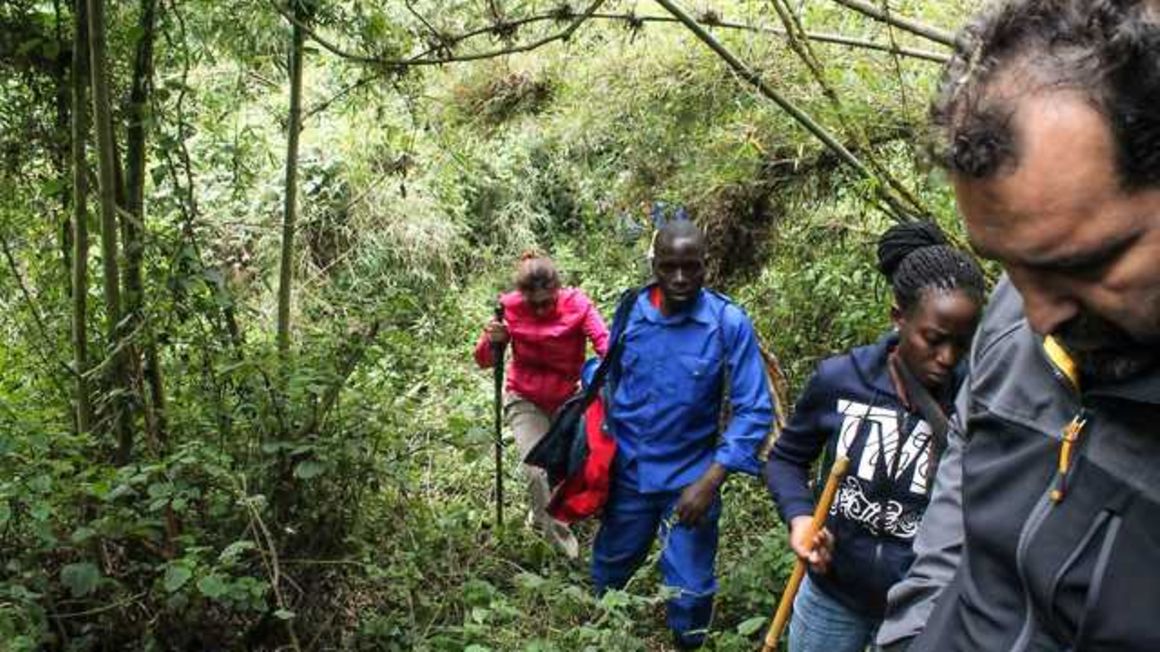
But Indigenous people, known as Adivasi in India, say wildlife conservation projects have displaced members of their community over the past half-century. Adivasi communities in Karnataka organised protests last month to highlight how their people, who have lived in forests for centuries, have been kept out of conservation efforts.
Project Tiger began in 1973 after a census of the big cats found India’s tigers were quickly going extinct through habitat loss, unregulated sport hunting, increased poaching and retaliatory killings by people. Lawmakers and officials tried to address these issues, but the conservation model centered around creating protected reserves where ecosystems can function undisturbed by people. Read More…