Home Upload Photo Upload Videos Write a Blog Analytics Messaging Streaming Create Adverts Creators Program
Bebuzee Afghanistan Bebuzee Albania Bebuzee Algeria Bebuzee Andorra Bebuzee Angola Bebuzee Antigua and Barbuda Bebuzee Argentina Bebuzee Armenia Bebuzee Australia Bebuzee Austria Bebuzee Azerbaijan Bebuzee Bahamas Bebuzee Bahrain Bebuzee Bangladesh Bebuzee Barbados Bebuzee Belarus Bebuzee Belgium Bebuzee Belize Bebuzee Benin Bebuzee Bhutan Bebuzee Bolivia Bebuzee Bosnia and Herzegovina Bebuzee Botswana Bebuzee Brazil Bebuzee Brunei Bebuzee Bulgaria Bebuzee Burkina Faso Bebuzee Burundi Bebuzee Cabo Verde Bebuzee Cambodia Bebuzee Cameroon Bebuzee Canada Bebuzee Central African Republic Bebuzee Chad Bebuzee Chile Bebuzee China Bebuzee Colombia Bebuzee Comoros Bebuzee Costa Rica Bebuzee Côte d'Ivoire Bebuzee Croatia Bebuzee Cuba Bebuzee Cyprus Bebuzee Czech Republic Bebuzee Democratic Republic of the Congo Bebuzee Denmark Bebuzee Djibouti Bebuzee Dominica Bebuzee Dominican Republic Bebuzee Ecuador Bebuzee Egypt Bebuzee El Salvador Bebuzee Equatorial Guinea Bebuzee Eritrea Bebuzee Estonia Bebuzee Eswatini Bebuzee Ethiopia Bebuzee Fiji Bebuzee Finland Bebuzee France Bebuzee Gabon Bebuzee Gambia Bebuzee Georgia Bebuzee Germany Bebuzee Ghana Bebuzee Greece Bebuzee Grenada Bebuzee Guatemala Bebuzee Guinea Bebuzee Guinea-Bissau Bebuzee Guyana Bebuzee Haiti Bebuzee Honduras Bebuzee Hong Kong Bebuzee Hungary Bebuzee Iceland Bebuzee India Bebuzee Indonesia Bebuzee Iran Bebuzee Iraq Bebuzee Ireland Bebuzee Israel Bebuzee Italy Bebuzee Jamaica Bebuzee Japan Bebuzee Jordan Bebuzee Kazakhstan Bebuzee Kenya Bebuzee Kiribati Bebuzee Kuwait Bebuzee Kyrgyzstan Bebuzee Laos Bebuzee Latvia Bebuzee Lebanon Bebuzee Lesotho Bebuzee Liberia Bebuzee Libya Bebuzee Liechtenstein Bebuzee Lithuania Bebuzee Luxembourg Bebuzee Madagascar Bebuzee Malawi Bebuzee Malaysia Bebuzee Maldives Bebuzee Mali Bebuzee Malta Bebuzee Marshall Islands Bebuzee Mauritania Bebuzee Mauritius Bebuzee Mexico Bebuzee Micronesia Bebuzee Moldova Bebuzee Monaco Bebuzee Mongolia Bebuzee Montenegro Bebuzee Morocco Bebuzee Mozambique Bebuzee Myanmar Bebuzee Namibia Bebuzee Nauru Bebuzee Nepal Bebuzee Netherlands Bebuzee New Zealand Bebuzee Nicaragua Bebuzee Niger Bebuzee Nigeria Bebuzee North Korea Bebuzee North Macedonia Bebuzee Norway Bebuzee Oman Bebuzee Pakistan Bebuzee Palau Bebuzee Panama Bebuzee Papua New Guinea Bebuzee Paraguay Bebuzee Peru Bebuzee Philippines Bebuzee Poland Bebuzee Portugal Bebuzee Qatar Bebuzee Republic of the Congo Bebuzee Romania Bebuzee Russia Bebuzee Rwanda Bebuzee Saint Kitts and Nevis Bebuzee Saint Lucia Bebuzee Saint Vincent and the Grenadines Bebuzee Samoa Bebuzee San Marino Bebuzee São Tomé and Príncipe Bebuzee Saudi Arabia Bebuzee Senegal Bebuzee Serbia Bebuzee Seychelles Bebuzee Sierra Leone Bebuzee Singapore Bebuzee Slovakia Bebuzee Slovenia Bebuzee Solomon Islands Bebuzee Somalia Bebuzee South Africa Bebuzee South Korea Bebuzee South Sudan Bebuzee Spain Bebuzee Sri Lanka Bebuzee Sudan Bebuzee Suriname Bebuzee Sweden Bebuzee Switzerland Bebuzee Syria Bebuzee Taiwan Bebuzee Tajikistan Bebuzee Tanzania Bebuzee Thailand Bebuzee Timor-Leste Bebuzee Togo Bebuzee Tonga Bebuzee Trinidad and Tobago Bebuzee Tunisia Bebuzee Turkey Bebuzee Turkmenistan Bebuzee Tuvalu Bebuzee Uganda Bebuzee Ukraine Bebuzee United Arab Emirates Bebuzee United Kingdom Bebuzee Uruguay Bebuzee Uzbekistan Bebuzee Vanuatu Bebuzee Venezuela Bebuzee Vietnam Bebuzee World Wide Bebuzee Yemen Bebuzee Zambia Bebuzee Zimbabwe
Blog Image

Adapt, move or die: How biodiversity reacted to past climate change

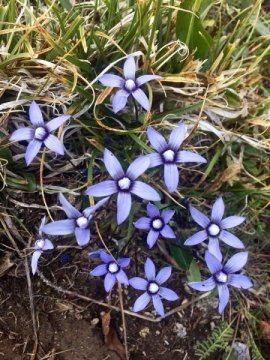
Will species be able to adjust quickly enough to survive changing temperatures, precipitation and seasons? Many alpine plants, like the Comastoma falcatum growing in high altitudes, are under risk because of climate change. Credit: Egle Kudirkiene

A new paper reviews current knowledge on climate change and biodiversity. In the past, plants and animals reacted to environmental changes by adapting, migrating or going extinct. These findings point to radical changes in biodiversity due to climate change in the future. The paper is published in the scientific journal Trends in Ecology and Evolution by an international group of scientists led by the Center for Macroecology, Evolution and Climate, University of Copenhagen.

Nature is reacting to climate change. We see altered behaviour and movement among plants and animals; flowers change flowering period and owls get darker body colour, due to warmer winters. So, how does the future for biodiversity look like? Will plants and animals be able to adjust quickly enough to survive the changing temperatures, precipitation and seasons? Lead-author of a new study Professor David Bravo-Nogues from Center for Macroecology, Evolution and Climate, University of Copenhagen, explains,

"We compiled an enormous amount of studies of events, which we know influenced biodiversity during the past million years. It turns out species have been able to survive new conditions in their habitat by changing either their behaviour or body shape. However, the current magnitude and unseen speed of change in nature may push species beyond their ability to adapt."

Too fast changes leave species small chances

Until now, scientists thought species' main reaction to climatic changes was to move. However, the new study shows that local adaptation to new conditions seems to have played a key role in the way species survived. Species adapt when the whole population change, e.g. when all owls get darker body colour. This happens slowly over a long period of time. Coauthor Stephen Jackson, director of the US Geological Survey's Southwest Climate Adaptation Science Center, elaborates,

"From fossils and other biological "archives" we have access to a nearly limitless number of case studies throughout Earth's history. This provide us with valuable knowledge of how climate changes of various rates, magnitudes, and types can affect biodiversity."

Past extinctions help to protect future biodiversity

The new study might give us the answer to decode how biodiversity changes under climate change. This knowledge can inform policy-makers in order to implement effective conservation schemes in the future. Some species, when failed to adapt or move fast enough, like the orange-spotted filefish, have already gone extinct due to climate change. Co-author Francisco Rodriguez-Sanchez from the Spanish Research Council (CSIC), says,

"We know animals and plants have prevented extinction by adapt or migrate in the past. However, the models we use today to predict future climate change, foresee magnitudes and rates of change, which have been exceptionally rare in the last million years. Thus, we need to expand our knowledge and improve our prediction models. Also, we must recognise the limitations of the models, because they are used to inform politicians and decision-makers about effects of climate change on biodiversity."


Previous Post

Beluga whales and narwhals go through menopause

Next Post

Scientists decode opium poppy genome

Comments