Home Upload Photo Upload Videos Write a Blog Analytics Messaging Streaming Create Adverts Creators Program
Bebuzee Afghanistan Bebuzee Albania Bebuzee Algeria Bebuzee Andorra Bebuzee Angola Bebuzee Antigua and Barbuda Bebuzee Argentina Bebuzee Armenia Bebuzee Australia Bebuzee Austria Bebuzee Azerbaijan Bebuzee Bahamas Bebuzee Bahrain Bebuzee Bangladesh Bebuzee Barbados Bebuzee Belarus Bebuzee Belgium Bebuzee Belize Bebuzee Benin Bebuzee Bhutan Bebuzee Bolivia Bebuzee Bosnia and Herzegovina Bebuzee Botswana Bebuzee Brazil Bebuzee Brunei Bebuzee Bulgaria Bebuzee Burkina Faso Bebuzee Burundi Bebuzee Cabo Verde Bebuzee Cambodia Bebuzee Cameroon Bebuzee Canada Bebuzee Central African Republic Bebuzee Chad Bebuzee Chile Bebuzee China Bebuzee Colombia Bebuzee Comoros Bebuzee Costa Rica Bebuzee Côte d'Ivoire Bebuzee Croatia Bebuzee Cuba Bebuzee Cyprus Bebuzee Czech Republic Bebuzee Democratic Republic of the Congo Bebuzee Denmark Bebuzee Djibouti Bebuzee Dominica Bebuzee Dominican Republic Bebuzee Ecuador Bebuzee Egypt Bebuzee El Salvador Bebuzee Equatorial Guinea Bebuzee Eritrea Bebuzee Estonia Bebuzee Eswatini Bebuzee Ethiopia Bebuzee Fiji Bebuzee Finland Bebuzee France Bebuzee Gabon Bebuzee Gambia Bebuzee Georgia Bebuzee Germany Bebuzee Ghana Bebuzee Greece Bebuzee Grenada Bebuzee Guatemala Bebuzee Guinea Bebuzee Guinea-Bissau Bebuzee Guyana Bebuzee Haiti Bebuzee Honduras Bebuzee Hong Kong Bebuzee Hungary Bebuzee Iceland Bebuzee India Bebuzee Indonesia Bebuzee Iran Bebuzee Iraq Bebuzee Ireland Bebuzee Israel Bebuzee Italy Bebuzee Jamaica Bebuzee Japan Bebuzee Jordan Bebuzee Kazakhstan Bebuzee Kenya Bebuzee Kiribati Bebuzee Kuwait Bebuzee Kyrgyzstan Bebuzee Laos Bebuzee Latvia Bebuzee Lebanon Bebuzee Lesotho Bebuzee Liberia Bebuzee Libya Bebuzee Liechtenstein Bebuzee Lithuania Bebuzee Luxembourg Bebuzee Madagascar Bebuzee Malawi Bebuzee Malaysia Bebuzee Maldives Bebuzee Mali Bebuzee Malta Bebuzee Marshall Islands Bebuzee Mauritania Bebuzee Mauritius Bebuzee Mexico Bebuzee Micronesia Bebuzee Moldova Bebuzee Monaco Bebuzee Mongolia Bebuzee Montenegro Bebuzee Morocco Bebuzee Mozambique Bebuzee Myanmar Bebuzee Namibia Bebuzee Nauru Bebuzee Nepal Bebuzee Netherlands Bebuzee New Zealand Bebuzee Nicaragua Bebuzee Niger Bebuzee Nigeria Bebuzee North Korea Bebuzee North Macedonia Bebuzee Norway Bebuzee Oman Bebuzee Pakistan Bebuzee Palau Bebuzee Panama Bebuzee Papua New Guinea Bebuzee Paraguay Bebuzee Peru Bebuzee Philippines Bebuzee Poland Bebuzee Portugal Bebuzee Qatar Bebuzee Republic of the Congo Bebuzee Romania Bebuzee Russia Bebuzee Rwanda Bebuzee Saint Kitts and Nevis Bebuzee Saint Lucia Bebuzee Saint Vincent and the Grenadines Bebuzee Samoa Bebuzee San Marino Bebuzee São Tomé and Príncipe Bebuzee Saudi Arabia Bebuzee Senegal Bebuzee Serbia Bebuzee Seychelles Bebuzee Sierra Leone Bebuzee Singapore Bebuzee Slovakia Bebuzee Slovenia Bebuzee Solomon Islands Bebuzee Somalia Bebuzee South Africa Bebuzee South Korea Bebuzee South Sudan Bebuzee Spain Bebuzee Sri Lanka Bebuzee Sudan Bebuzee Suriname Bebuzee Sweden Bebuzee Switzerland Bebuzee Syria Bebuzee Taiwan Bebuzee Tajikistan Bebuzee Tanzania Bebuzee Thailand Bebuzee Timor-Leste Bebuzee Togo Bebuzee Tonga Bebuzee Trinidad and Tobago Bebuzee Tunisia Bebuzee Turkey Bebuzee Turkmenistan Bebuzee Tuvalu Bebuzee Uganda Bebuzee Ukraine Bebuzee United Arab Emirates Bebuzee United Kingdom Bebuzee Uruguay Bebuzee Uzbekistan Bebuzee Vanuatu Bebuzee Venezuela Bebuzee Vietnam Bebuzee World Wide Bebuzee Yemen Bebuzee Zambia Bebuzee Zimbabwe
Blog Image

Beluga whales and narwhals go through menopause

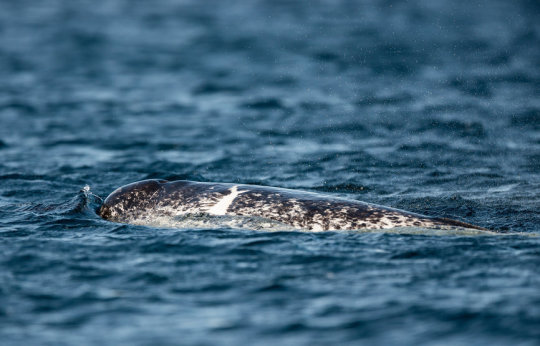
Female narwhal swimming at the surface, Baffin Island, Canada. Credit: © wildestanimal / Fotolia

Scientists have discovered that beluga whales and narwhals go through the menopause -- taking the total number of species known to experience this to five.

Aside from humans, the species now known to experience menopause are all toothed whales -- belugas, narwhals, killer whales and short-finned pilot whales.

Almost all animals continue reproducing throughout their lives, and scientists have long been puzzled about why some have evolved to stop.

The new study, by the universities of Exeter and York and the Center for Whale Research, suggests menopause has evolved independently in three whale species (it may have evolved in a common ancestor of belugas and narwhals).

"For menopause to make sense in evolutionary terms, a species needs both a reason to stop reproducing and a reason to live on afterwards," said first author Dr Sam Ellis, of the University of Exeter.

"In killer whales, the reason to stop comes because both male and female offspring stay with their mothers for life -- so as a female ages, her group contains more and more of her children and grandchildren.

"This increasing relatedness means that, if she keeps having young, they compete with her own direct descendants for resources such as food.

"The reason to continue living is that older females are of great benefit to their offspring and grand-offspring. For example, their knowledge of where to find food helps groups survive."

The existence of menopause in killer whales is well documented due to more than four decades of detailed study.

Such information on the lives of belugas and narwhals is not available, but the study used data on dead whales from 16 species and found dormant ovaries in older beluga and narwhal females.

Based on the findings, the researchers predict that these species have social structures which -- as with killer whales -- mean females find themselves living among more and more close relatives as they age.

Research on ancestral humans suggests this was also the case for our ancestors. This, combined with the benefits of "late-life helping" -- where older females benefit the social group but do not reproduce -- may explain why menopause has evolved.

Senior author Professor Darren Croft said: "It's hard to study human behaviour in the modern world because it's so far removed from the conditions our ancestors lived in.

"Looking at other species like these toothed whales can help us establish how this unusual reproductive strategy has evolved."

Although individuals of many species may fail to reproduce late in life, the researchers looked for evidence of an "evolved strategy" where females had a significant post-reproductive lifespan.

The study was funded by the Natural Environment Research Council, and the team included researchers from the University of York and the Center for Whale Research.

Previous Post

Many Arctic pollutants decrease after market removal and regulation

Next Post

Adapt, move or die: How biodiversity reacted to past climate change

Comments