Why Endangered Dolphins Are On the Rise
-
 Loading...
 - Aagni Begum
- 09 Aug 2022
- 80 Views
- 0 Like
- 0 Comment
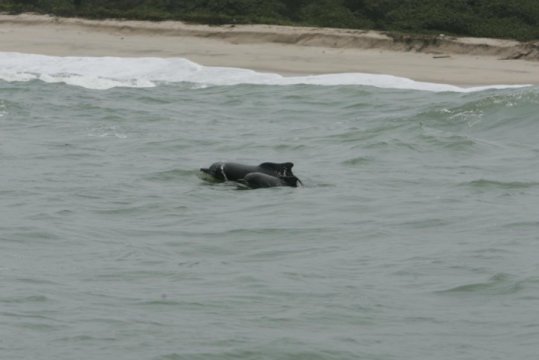
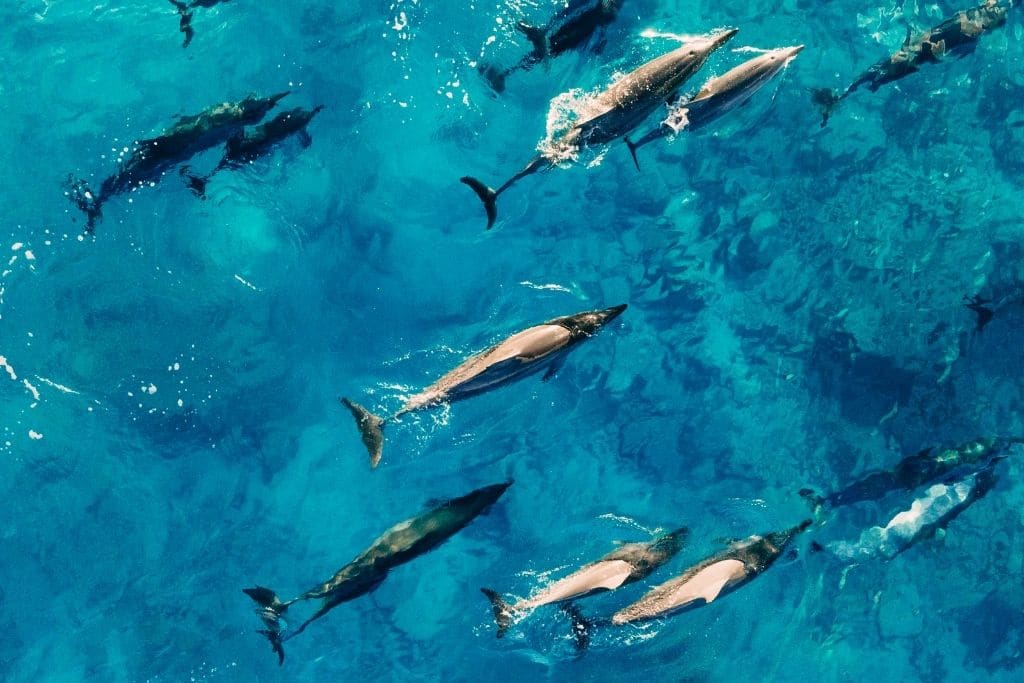
Dolphins are aquatic mammals who must surface to breathe air and are a type of cetacean. They are also notorious for being socially skilled, intelligent and joyful creatures. There are over 40 dolphin species in the world but over the past decade, an alarming proportion of dolphin species have been classified as ‘endangered’ around the globe. Why are dolphins endangered in the first place and what is being done to save endangered dolphins?
How is Extinction Measured?
The International Union for Conservation of Nature (IUCN) established a Red List in 1964 which has since evolved to become one of the world’s most comprehensive information sources on the global extinction risk status of different species. The List was conceived by Peter Scott (who also played a prominent role in the creation of WWF) and since then, it has been respected as a credible source of information relying on scientific data.
At present, out of 41 dolphin species, nine are considered endangered by either the IUCN, the Endangered Species Act (ESA), or both; and one species may already be extinct.
What are the Drivers?
When you think of dolphins, they are often pictured in seas and oceans. Of course, they can reside in saltwater, but certain species also live in freshwater. River dolphins such as the Amazon River dolphin (boto) and the South river dolphins only live in freshwater rivers and lakes. Whatever their habitat, dolphins are important to the ecosystem in the sense that they are apex or top-level predators, controlling fish, squid and other populations to maintain the balance of the ecosystem.
The main drivers of dolphin endangerment can be narrowed down to two key categories: climate change and human activities. But there are other key factors threatening the survival of many dolphin species.
Firstly, the sheer speed at which the climate is changing could mean that dolphins may not have time to adapt. Sea level rise, a warming climate, ocean acidification and the loss of icy polar habitats are directly influenced by climate change and will impact dolphin species around the world. Climate change is expected to be the main cause of mass extinctions in the 21st century (have you ever heard of the Sixth Mass Extinction?) On top of a rapidly changing habitat, dolphins’ prey is rapidly reducing in numbers.
The other primary cause of dolphin endangerment are human (or ‘anthropogenic’) activities. This often includes fishing, river traffic and pollution – these are described in more detail below.
Fishing activities have played a huge role in the reduction in dolphin population over the years. The obvious reason is that as aquatic habitats are overfished in an unsustainable way, this reduces the prey available for dolphins. However, another huge threat to dolphins is ‘bycatch’. This involves the entanglement of dolphins in fishing gear, and is estimated to cause at least 300,000 deaths per year. Read More...