Home Upload Photo Upload Videos Write a Blog Analytics Messaging Streaming Create Adverts Creators Program
Bebuzee Afghanistan Bebuzee Albania Bebuzee Algeria Bebuzee Andorra Bebuzee Angola Bebuzee Antigua and Barbuda Bebuzee Argentina Bebuzee Armenia Bebuzee Australia Bebuzee Austria Bebuzee Azerbaijan Bebuzee Bahamas Bebuzee Bahrain Bebuzee Bangladesh Bebuzee Barbados Bebuzee Belarus Bebuzee Belgium Bebuzee Belize Bebuzee Benin Bebuzee Bhutan Bebuzee Bolivia Bebuzee Bosnia and Herzegovina Bebuzee Botswana Bebuzee Brazil Bebuzee Brunei Bebuzee Bulgaria Bebuzee Burkina Faso Bebuzee Burundi Bebuzee Cabo Verde Bebuzee Cambodia Bebuzee Cameroon Bebuzee Canada Bebuzee Central African Republic Bebuzee Chad Bebuzee Chile Bebuzee China Bebuzee Colombia Bebuzee Comoros Bebuzee Costa Rica Bebuzee Côte d'Ivoire Bebuzee Croatia Bebuzee Cuba Bebuzee Cyprus Bebuzee Czech Republic Bebuzee Democratic Republic of the Congo Bebuzee Denmark Bebuzee Djibouti Bebuzee Dominica Bebuzee Dominican Republic Bebuzee Ecuador Bebuzee Egypt Bebuzee El Salvador Bebuzee Equatorial Guinea Bebuzee Eritrea Bebuzee Estonia Bebuzee Eswatini Bebuzee Ethiopia Bebuzee Fiji Bebuzee Finland Bebuzee France Bebuzee Gabon Bebuzee Gambia Bebuzee Georgia Bebuzee Germany Bebuzee Ghana Bebuzee Greece Bebuzee Grenada Bebuzee Guatemala Bebuzee Guinea Bebuzee Guinea-Bissau Bebuzee Guyana Bebuzee Haiti Bebuzee Honduras Bebuzee Hong Kong Bebuzee Hungary Bebuzee Iceland Bebuzee India Bebuzee Indonesia Bebuzee Iran Bebuzee Iraq Bebuzee Ireland Bebuzee Israel Bebuzee Italy Bebuzee Jamaica Bebuzee Japan Bebuzee Jordan Bebuzee Kazakhstan Bebuzee Kenya Bebuzee Kiribati Bebuzee Kuwait Bebuzee Kyrgyzstan Bebuzee Laos Bebuzee Latvia Bebuzee Lebanon Bebuzee Lesotho Bebuzee Liberia Bebuzee Libya Bebuzee Liechtenstein Bebuzee Lithuania Bebuzee Luxembourg Bebuzee Madagascar Bebuzee Malawi Bebuzee Malaysia Bebuzee Maldives Bebuzee Mali Bebuzee Malta Bebuzee Marshall Islands Bebuzee Mauritania Bebuzee Mauritius Bebuzee Mexico Bebuzee Micronesia Bebuzee Moldova Bebuzee Monaco Bebuzee Mongolia Bebuzee Montenegro Bebuzee Morocco Bebuzee Mozambique Bebuzee Myanmar Bebuzee Namibia Bebuzee Nauru Bebuzee Nepal Bebuzee Netherlands Bebuzee New Zealand Bebuzee Nicaragua Bebuzee Niger Bebuzee Nigeria Bebuzee North Korea Bebuzee North Macedonia Bebuzee Norway Bebuzee Oman Bebuzee Pakistan Bebuzee Palau Bebuzee Panama Bebuzee Papua New Guinea Bebuzee Paraguay Bebuzee Peru Bebuzee Philippines Bebuzee Poland Bebuzee Portugal Bebuzee Qatar Bebuzee Republic of the Congo Bebuzee Romania Bebuzee Russia Bebuzee Rwanda Bebuzee Saint Kitts and Nevis Bebuzee Saint Lucia Bebuzee Saint Vincent and the Grenadines Bebuzee Samoa Bebuzee San Marino Bebuzee São Tomé and Príncipe Bebuzee Saudi Arabia Bebuzee Senegal Bebuzee Serbia Bebuzee Seychelles Bebuzee Sierra Leone Bebuzee Singapore Bebuzee Slovakia Bebuzee Slovenia Bebuzee Solomon Islands Bebuzee Somalia Bebuzee South Africa Bebuzee South Korea Bebuzee South Sudan Bebuzee Spain Bebuzee Sri Lanka Bebuzee Sudan Bebuzee Suriname Bebuzee Sweden Bebuzee Switzerland Bebuzee Syria Bebuzee Taiwan Bebuzee Tajikistan Bebuzee Tanzania Bebuzee Thailand Bebuzee Timor-Leste Bebuzee Togo Bebuzee Tonga Bebuzee Trinidad and Tobago Bebuzee Tunisia Bebuzee Turkey Bebuzee Turkmenistan Bebuzee Tuvalu Bebuzee Uganda Bebuzee Ukraine Bebuzee United Arab Emirates Bebuzee United Kingdom Bebuzee Uruguay Bebuzee Uzbekistan Bebuzee Vanuatu Bebuzee Venezuela Bebuzee Vietnam Bebuzee World Wide Bebuzee Yemen Bebuzee Zambia Bebuzee Zimbabwe
Blog Image

Amazonian Fish Threatened by Climate Change and Pollution

In a "room of the future" at the National Institute of Amazonian Research (INPA) in Brazil, scientists are simulating the extreme conditions predicted by the Intergovernmental Panel on Climate Change (IPCC). Here, researchers explore how rising temperatures, increased CO2 levels, and pesticide contamination will affect Amazonian fish—with alarming results.

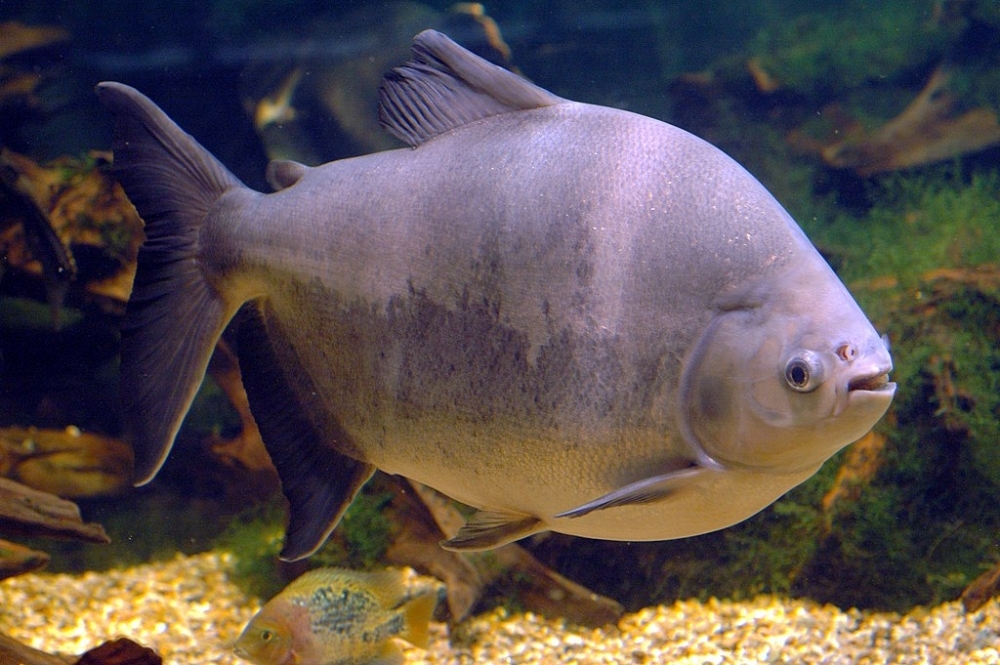
The experimental setting mimics a temperature increase of 5°C (9°F) above the average in Manaus, the capital of Amazonas, with CO2 levels reaching 708 ppm, far beyond today’s atmospheric level of 420 ppm. The study, led by biologist Samara Souza, focuses on Tambaqui (Colossoma macropomum), a vital Amazonian freshwater fish, exposing it to these climatic extremes along with a mix of pesticides commonly found in the region’s rivers and lakes.

Climate Change and Pollution

Adalberto Val, coordinator of INPA’s Adapta program, emphasizes the need to look beyond rising temperatures:

"We must evaluate how increased temperature and CO2 concentrations interact with other environmental stressors like pesticides, creating dangerous synergies."

In her study, Souza subjected 36 juvenile tambaquis to two scenarios—one with current climate conditions and another under extreme climate projections—for 96 hours. In both cases, the fish were exposed to common regional agrochemicals, including Chlorpyrifos (insecticide), Malathion (insecticide), Atrazine (herbicide), Carbendazim (fungicide).

While these pesticide concentrations are typically non-lethal, their combined effects were harmful. The tambaquis exhibited liver damage, nervous system dysfunction, and partial paralysis. However, the damage worsened significantly under the extreme climate scenario, highlighting the interaction between pollutants and environmental stressors.

Metabolism Under Stress

The study found that higher temperatures and elevated CO2 levels impair the fish’s ability to metabolize and expel harmful compounds. The stress of increased metabolism required to adapt to warmer conditions left the tambaquis more vulnerable to pesticide toxicity.

For example, organophosphate insecticides like chlorpyrifos inhibit acetylcholinesterase (AChE), an enzyme essential for transmitting nerve impulses. The fish also struggled with depleted antioxidant defenses in the gills, making it harder for them to cope with the combined stress of heat and toxins.

"The fish exposed to high temperatures and elevated CO2 levels became more susceptible to agrotoxins because their metabolisms couldn’t handle the additional burden," Souza explained. "This resulted in more severe damage than in today’s climate conditions."

The combination of extreme climate conditions and pesticide exposure caused irreversible liver damage and DNA damage in blood cells, indicating a grim future for Amazonian fish populations.

“The results showed that a future of climate change combined with pesticides will have devastating effects on Amazonian fish, potentially leading to biodiversity loss,” Souza warned.

Previous Post

Deforestation in Brazil’s Amazon Remains Low, But Fires Surge Amid Historic Drought

Next Post

Pesticide Use in the Netherlands Linked to Declining Bird Populations

Comments