Deforestation in Brazil’s Amazon Remains Low, But Fires Surge Amid Historic Drought
-
 Loading...
 - Lina Richter
- 18 Oct 2024
- 45 Views
- 0 Like
- 0 Comment
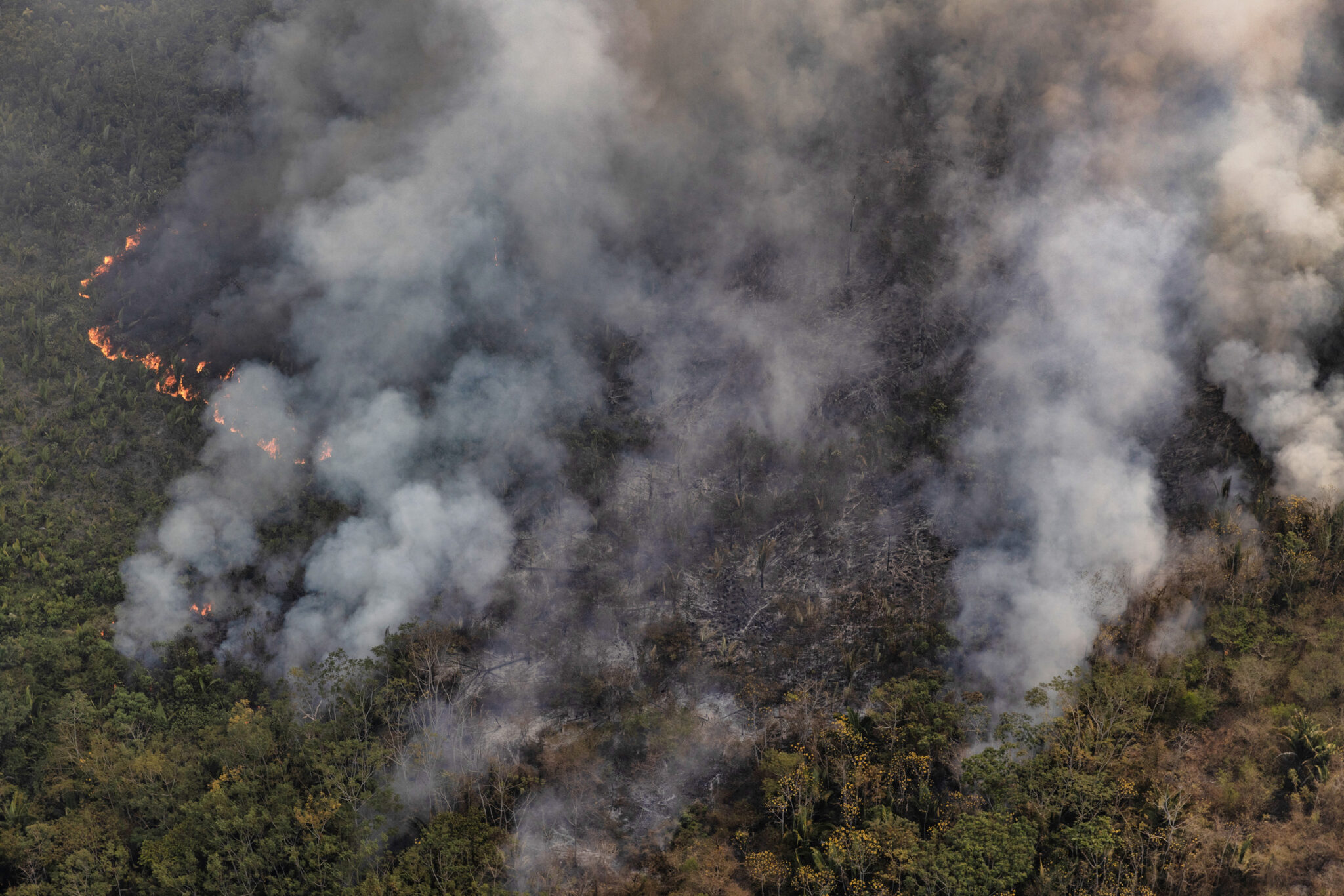
While deforestation in Brazil’s Amazon rainforest has stayed at near six-year lows, the region has seen a sharp rise in fires, according to recent data from Brazil's national space research institute (INPE). Despite efforts to curb tree-clearing, drought conditions have contributed to an 18-fold increase in the area affected by fires, raising concerns about the long-term stability of the Amazon ecosystem.
Significant Drop in Deforestation Rates
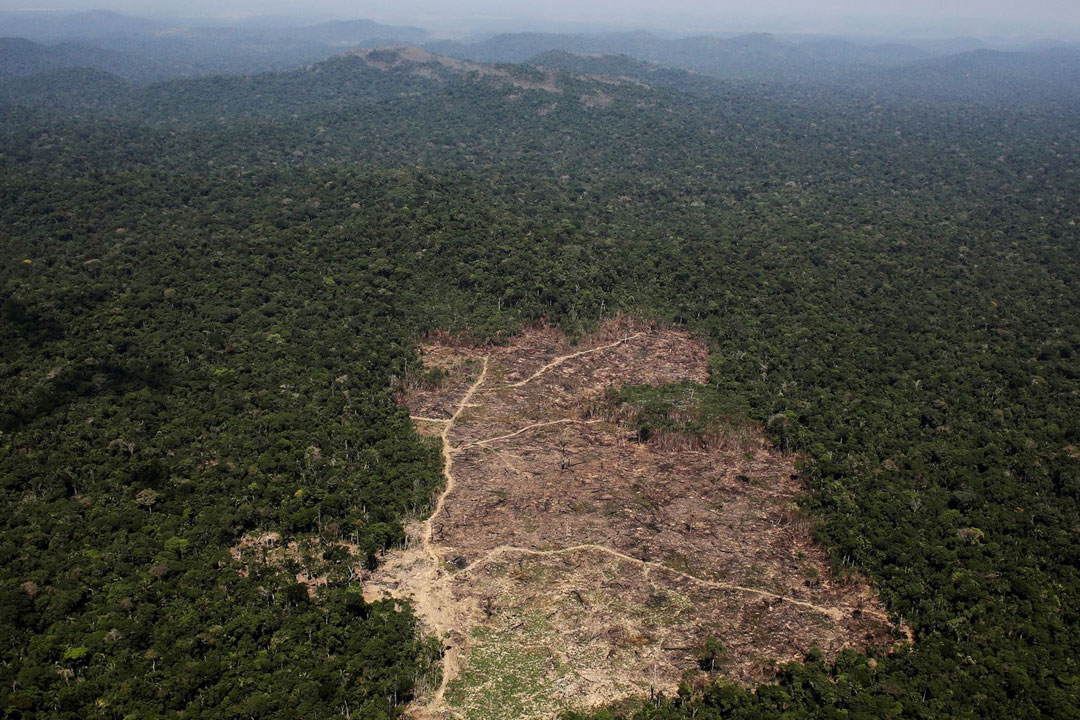
INPE’s DETER system reported that 561 square kilometers of forest were cleared in September 2024, bringing the 12-month total to 4,191 square kilometers—equivalent to nearly 600,000 football fields. This marks a 30% reduction compared to 6,029 square kilometers in the same period last year.
The decline in deforestation reflects government efforts to reduce illegal logging and land clearing, with 2024 recording one of the lowest deforestation levels in six years.
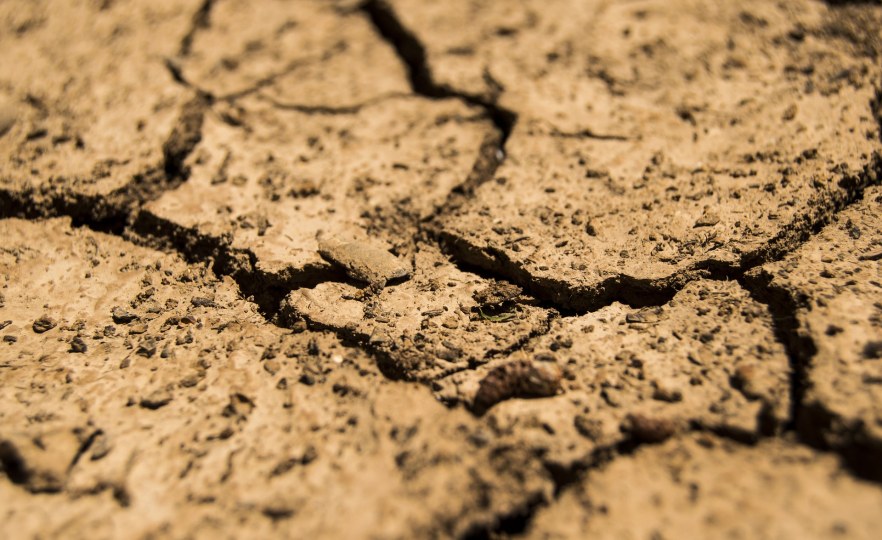
In stark contrast, the area affected by fires in the Amazon skyrocketed from 4,700 square kilometers to 39,983 square kilometers, driven by one of the worst droughts in recent history. The number of fire hotspots detected by satellites increased by 70%, reaching 145,357—up from 85,670 during the same period last year.
The Pantanal and Cerrado biomes, located outside the Amazon, have also experienced severe fires, contributing to widespread air pollution and health issues across South America.
Ecological Risks and Climate Warnings
Scientists have expressed concern that the combination of deforestation, forest degradation, and climate change could destabilize the Amazon, particularly in the southern and eastern regions. If degradation continues, it could trigger widespread tree die-offs and alter continental rainfall patterns, severely impacting ecosystems and agriculture.
The fires and degradation threaten to disrupt the delicate water cycle that the Amazon regulates, which could result in long-term ecological shifts and the loss of countless species dependent on the rainforest.
Upcoming Deforestation Data
The Brazilian government will release its official deforestation figures for the year ending July 31, 2024, toward the end of the year. Brazil uses this timeline because cloud cover is typically minimal in July, making it easier to conduct accurate year-over-year comparisons.
While the decline in deforestation offers some hope for the preservation of the Amazon, the surge in fires driven by drought serves as a stark reminder of the ongoing environmental challenges. Brazil faces the difficult task of balancing forest protection efforts with fire mitigation in the face of climate change, or risk triggering irreversible damage to one of the world’s most vital ecosystems.