Home Upload Photo Upload Videos Write a Blog Analytics Messaging Streaming Create Adverts Creators Program
Bebuzee Afghanistan Bebuzee Albania Bebuzee Algeria Bebuzee Andorra Bebuzee Angola Bebuzee Antigua and Barbuda Bebuzee Argentina Bebuzee Armenia Bebuzee Australia Bebuzee Austria Bebuzee Azerbaijan Bebuzee Bahamas Bebuzee Bahrain Bebuzee Bangladesh Bebuzee Barbados Bebuzee Belarus Bebuzee Belgium Bebuzee Belize Bebuzee Benin Bebuzee Bhutan Bebuzee Bolivia Bebuzee Bosnia and Herzegovina Bebuzee Botswana Bebuzee Brazil Bebuzee Brunei Bebuzee Bulgaria Bebuzee Burkina Faso Bebuzee Burundi Bebuzee Cabo Verde Bebuzee Cambodia Bebuzee Cameroon Bebuzee Canada Bebuzee Central African Republic Bebuzee Chad Bebuzee Chile Bebuzee China Bebuzee Colombia Bebuzee Comoros Bebuzee Costa Rica Bebuzee Côte d'Ivoire Bebuzee Croatia Bebuzee Cuba Bebuzee Cyprus Bebuzee Czech Republic Bebuzee Democratic Republic of the Congo Bebuzee Denmark Bebuzee Djibouti Bebuzee Dominica Bebuzee Dominican Republic Bebuzee Ecuador Bebuzee Egypt Bebuzee El Salvador Bebuzee Equatorial Guinea Bebuzee Eritrea Bebuzee Estonia Bebuzee Eswatini Bebuzee Ethiopia Bebuzee Fiji Bebuzee Finland Bebuzee France Bebuzee Gabon Bebuzee Gambia Bebuzee Georgia Bebuzee Germany Bebuzee Ghana Bebuzee Greece Bebuzee Grenada Bebuzee Guatemala Bebuzee Guinea Bebuzee Guinea-Bissau Bebuzee Guyana Bebuzee Haiti Bebuzee Honduras Bebuzee Hong Kong Bebuzee Hungary Bebuzee Iceland Bebuzee India Bebuzee Indonesia Bebuzee Iran Bebuzee Iraq Bebuzee Ireland Bebuzee Israel Bebuzee Italy Bebuzee Jamaica Bebuzee Japan Bebuzee Jordan Bebuzee Kazakhstan Bebuzee Kenya Bebuzee Kiribati Bebuzee Kuwait Bebuzee Kyrgyzstan Bebuzee Laos Bebuzee Latvia Bebuzee Lebanon Bebuzee Lesotho Bebuzee Liberia Bebuzee Libya Bebuzee Liechtenstein Bebuzee Lithuania Bebuzee Luxembourg Bebuzee Madagascar Bebuzee Malawi Bebuzee Malaysia Bebuzee Maldives Bebuzee Mali Bebuzee Malta Bebuzee Marshall Islands Bebuzee Mauritania Bebuzee Mauritius Bebuzee Mexico Bebuzee Micronesia Bebuzee Moldova Bebuzee Monaco Bebuzee Mongolia Bebuzee Montenegro Bebuzee Morocco Bebuzee Mozambique Bebuzee Myanmar Bebuzee Namibia Bebuzee Nauru Bebuzee Nepal Bebuzee Netherlands Bebuzee New Zealand Bebuzee Nicaragua Bebuzee Niger Bebuzee Nigeria Bebuzee North Korea Bebuzee North Macedonia Bebuzee Norway Bebuzee Oman Bebuzee Pakistan Bebuzee Palau Bebuzee Panama Bebuzee Papua New Guinea Bebuzee Paraguay Bebuzee Peru Bebuzee Philippines Bebuzee Poland Bebuzee Portugal Bebuzee Qatar Bebuzee Republic of the Congo Bebuzee Romania Bebuzee Russia Bebuzee Rwanda Bebuzee Saint Kitts and Nevis Bebuzee Saint Lucia Bebuzee Saint Vincent and the Grenadines Bebuzee Samoa Bebuzee San Marino Bebuzee São Tomé and Príncipe Bebuzee Saudi Arabia Bebuzee Senegal Bebuzee Serbia Bebuzee Seychelles Bebuzee Sierra Leone Bebuzee Singapore Bebuzee Slovakia Bebuzee Slovenia Bebuzee Solomon Islands Bebuzee Somalia Bebuzee South Africa Bebuzee South Korea Bebuzee South Sudan Bebuzee Spain Bebuzee Sri Lanka Bebuzee Sudan Bebuzee Suriname Bebuzee Sweden Bebuzee Switzerland Bebuzee Syria Bebuzee Taiwan Bebuzee Tajikistan Bebuzee Tanzania Bebuzee Thailand Bebuzee Timor-Leste Bebuzee Togo Bebuzee Tonga Bebuzee Trinidad and Tobago Bebuzee Tunisia Bebuzee Turkey Bebuzee Turkmenistan Bebuzee Tuvalu Bebuzee Uganda Bebuzee Ukraine Bebuzee United Arab Emirates Bebuzee United Kingdom Bebuzee Uruguay Bebuzee Uzbekistan Bebuzee Vanuatu Bebuzee Venezuela Bebuzee Vietnam Bebuzee World Wide Bebuzee Yemen Bebuzee Zambia Bebuzee Zimbabwe
Blog Image

In Chile's capital, a decade of drought makes grass a rare luxury

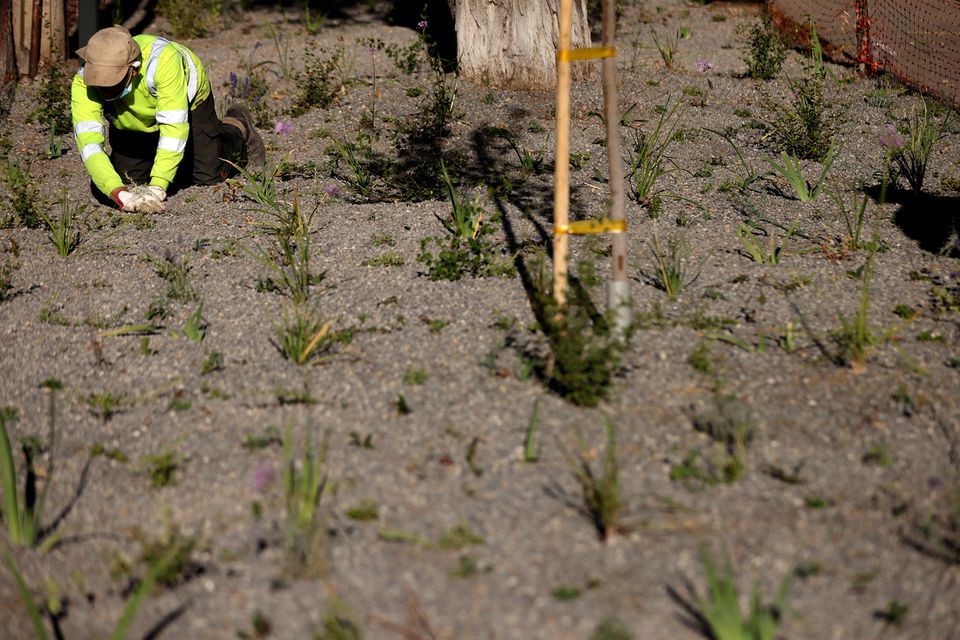
 In Chile's capital Santiago, grass is becoming a rare luxury amid a decade-long drought that has forced the city to roll out emergency measures to limit water use and led local authorities and landscapers to replace lush green plants with desert flora.

The changing face of the city of some 6 million people underscores how the Andean country, a major copper and food producer, is having to adapt to a shifting and drier climate with an extended period of drought now in its thirteenth year.

"Santiago's landscaping is from years ago, designed for a Mediterranean climate. Now we are in a semi-desert climate," Valentina Vega, head of green areas in the city's up-market district of Providencia, told Reuters. "We can't waste all that water any more."

Chile earlier this month announced a plan to ration water in the capital, unprecedented in the city's nearly 500-year history, with a four-tier alert system including water pressure restrictions going up to rotating water cuts. read more

In Vega's municipality, the local government plans to transform spaces alongside roads and highways from green spaces into sustainable gardens with plants that consume little water and use drip irrigation.

"This saves almost 90% of water compared to traditional landscaping," she added.

The city is also divided. Wealthy areas have more green meadows and leafy tree-lined avenues, which are little seen in less-affluent boroughs. But everyone is making changes, incorporating native vegetation and modernized irrigation to avoid waste.

Economics student Aracely Rodriguez, 26, lives in Pudahuel, a lower-middle-class area in the northwest of Santiago.

"Where I live there are no parks or green areas nearby, there is not much to water," Rodriguez said. "We try to take care of the water. We have a conscience."

Rodrigo Fuster, an expert in water management from the University of Chile, said people needed to adapt their water use given the drier climate with less rainfall and snow in the nearby Andes, which has reduced river flow into the city.

"There is a lot of room to reduce water consumption," Fuster said. "In a city like Santiago, with a semi-arid climate that is getting worse, it is unacceptable that we have grass and use water as if we were in London."

In Santiago's important metropolitan park, canals that carry water from the Maipo and Mapocho rivers to the park are 80% lower than normal. Park officials have fixed leaks, updated irrigation systems and developed "native nuclei" forests with trees better adapted for drier climates.

"The drought hits us all," said Eduardo Villalobos, deputy director of the park, adding that people needed a "paradigm shift" in their daily habits to help save water.

In the park and others across Santiago, a combined five hectares of grass area has already been replaced, he said. This saves 300,000 liters of water in each watering cycle.

Residents were divided about the changes. Some said the new landscaping in places looked just like a pile of rocks, but others said it needed time and could also be beautiful.

Dina Robles pointed to a sustainable garden in front of her house full of bushes, colorful flowers and little foxtails that were swaying in the afternoon breeze with the fragrance of mint and rosemary from plants nearby. Read More...

Previous Post

Japan to limit scope of fourth jabs to older people and those at higher risk

Next Post

Prepare for organic sparkling wine from Bredene!

Comments