Angola: How Not to Respond to Drought - Lessons From Angola
-
 Loading...
 - Aubin Kandem
- 18 Aug 2022
- 93 Views
- 0 Like
- 0 Comment
Three years after a severe drought in southwestern Angola, people in the area continue to suffer. Hunger remains pervasive and they are still losing livestock.
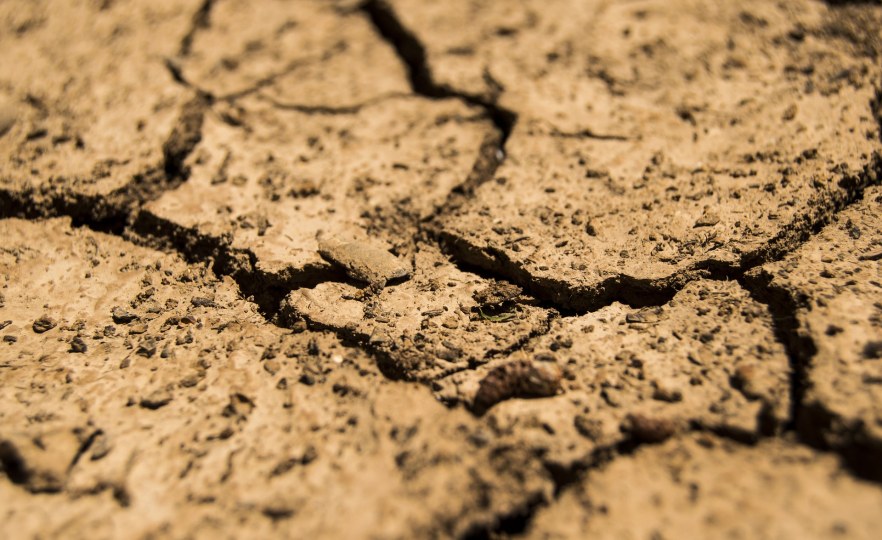
In a recent report we looked at fallout from the extreme drought in the region in 2019. There was almost no rain for 10 years. This led to a humanitarian and environmental disaster. According to data published by Unicef in June 2019, around 2.3 million people experienced food insecurity as a result of the drought, and hundreds of thousands became malnourished.
Our research included interviews with local herding and pastoralist communities, local politicians, activists and members of NGO.
Our report attempted to unpack why the situation remains so dire. Rainfall continues to be irregular and scarce, making most local rural communities unable to survive the cacimbo (dry season) without relying on donations of food and water. Crops have failed and livestock lack pasture. Many people are migrating to Namibia or urban areas. This is despite the fact that the crisis triggered national and international responses.
The report set out factors that made the impact of the drought worse. These included the way in which the government provided assistance, as well as infrastructure failures. While existing transport and energy networks were breaking down due to a lack of maintenance and repair, the government's response focused on new, long term construction projects. These privileged large-scale farming projects over the traditional farming and herding.
We found that no solutions had been found to the impact of the drought and the suffering of communities. The reasons for this include:
1.dispersed and disconnected development and aid responses
2. lack of infrastructure repair
3. land exploitation through agroindustrial and mining projects
4. no serious consideration of the local rural communities' lifestyles.
We conclude that drought aid will not be enough unless these issues are addressed.
The interventions
In 2019, southwestern Angola became one of the hotspots of international climate debates, due to an extreme drought situation. Millions of people were affected, as well as millions of livestock.
The drought cycle had begun a decade earlier, with a succession of years with irregular rainfall patterns, as reported by the United Nations Office for Disaster Risk Reduction back in 2016. Local rural communities were already accustomed to living in arid and semi-arid conditions. But in 2019, the cycle peaked, and traditional survival strategies were no longer effective. Read More...