World Elephant Day: Why conservation efforts in Africa evoke opposing reactions
-
 Loading...
 - Miranda Pedro
- 22 Aug 2022
- 58 Views
- 0 Like
- 0 Comment
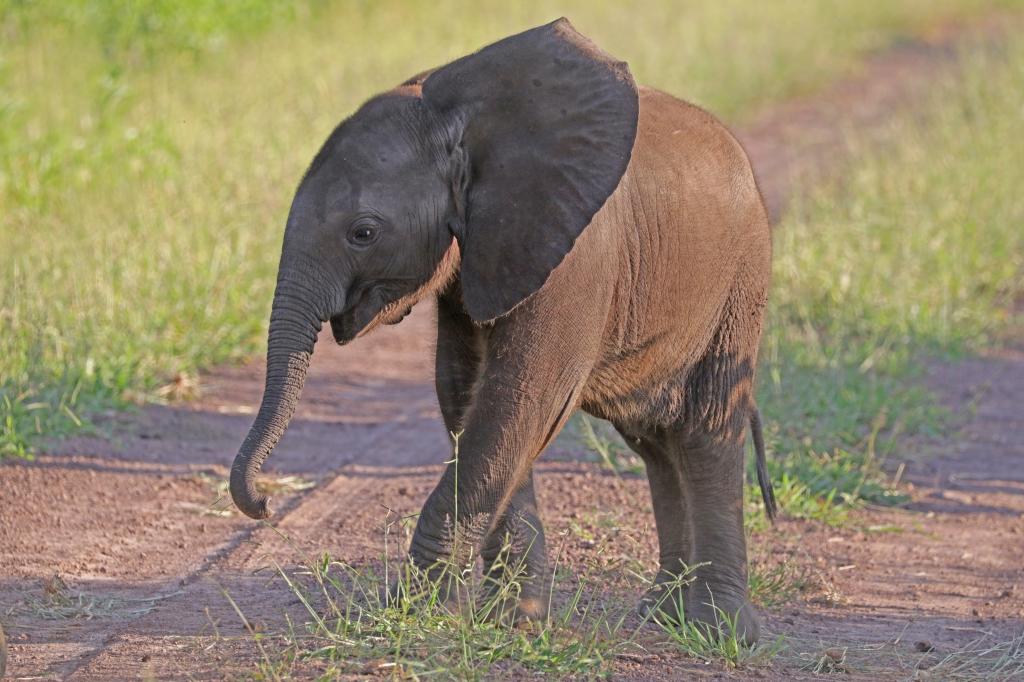
Efforts to conserve elephants in Africa are the subject of a global debate from two extreme ends of the conservation camps. Several countries in the continent are struggling to safeguard their elephant numbers. Still, many other countries are finding it hard to manage their vast population and reporting a rise in cases of human-wildlife conflict.
The uneven distribution of the jumbos on the continent appears to be the primary source of the disagreement between 19 countries with elephant ranges. While six southern African states have more than 70 per cent of the total population, the rest are battling to save theirs from slipping into extinction.
There are a total of around 450,000 elephants on the continent. About 130,000 of them are in Botswana and another estimated 100,000 in Zimbabwe. South Africa, Zambia, Namibia and Angola also have a huge number of jumbos.
These southern African nations are struggling to manage the elephant population, while countries like Kenya, Uganda and Rwanda are anxiously trying to stabilise and even increase their dwindling elephant populations.
The huge elephant concentrations in the few countries are blamed for the increasing cases of human-wildlife conflict.
In an interview with Down To Earth, the vice-chairman of Botswana’s Chobe Enclave Conservation Trust (CECT), Nchunga Nchunga, blamed the elephant boom in the country on a five-year (2014-19) ban on trophy hunting. CECT is a community based conservation organisations.
“The elephant numbers are rising not just through reproduction, but because they are intelligent animals with a brilliant memory,” Nchunga told Down To Earth. “Elephants from neighbouring countries such as Zambia, Zimbabwe, Namibia and even Angola migrate to Botswana because it is quiet here and the creatures know they are safe.”
He said the increase in the number of elephants had led to a rise in human-wildlife conflict. “But people have learned to co-exist with the animals because they still benefit from them through non-consumptive tourism despite the conflicts,” said Nchunga. Botswana earns around $1 million annually from trophy hunting.
The elephant numbers are a cause of concern, agreed Chieftainess Rebecca Banika of the Paleka Community in Botswana’s elephant-rich Chobe District.
“The jumbos are congested within a small space, which they share with other animals. There is conflict over resources like food and water and there is a loss of vegetation that sustains other animals,” Banika told DTE. Read More...