Renewed Wonder in the Cloud Forests of Ecuador
-
 Loading...
 - Adrien Gauthier
- 29 Oct 2024
- 40 Views
- 0 Like
- 0 Comment
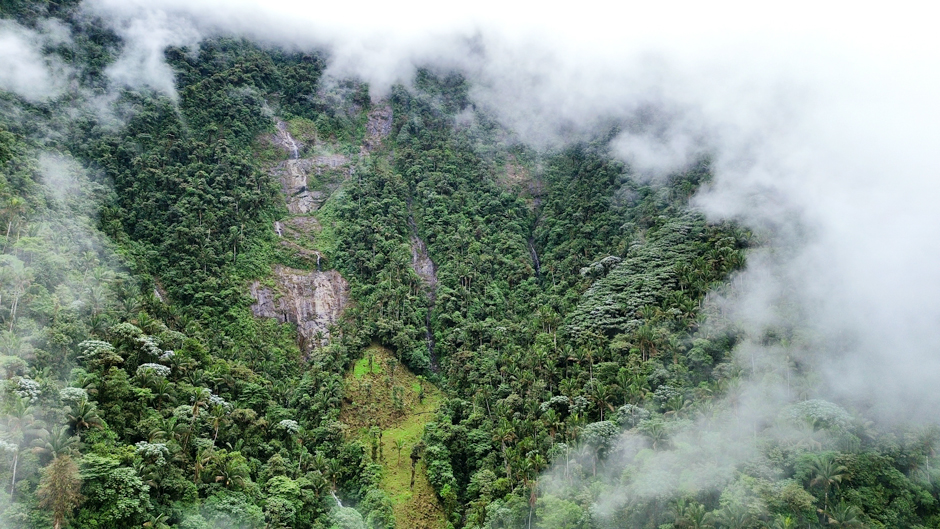
In the early 1980s, the Andean cloud forests of Ecuador were celebrated as one of the most biodiverse regions on Earth, thanks to the groundbreaking work of ecologists Alwyn Gentry and Calaway Dodson. Their research highlighted the unique plant and animal species thriving in the Centinela forest, nestled between the Andes Mountains and the Pacific Coast. However, a decade later, they returned to find much of this vibrant ecosystem transformed into farmland, leading them to conclude that many of the rare species they had documented were likely extinct.
Fast forward to today, and new research from a team of international ecologists, including members from the University of Miami, is challenging the narrative of extinction in these cloud forests. Over the past three years, this dedicated team has embarked on a mission to locate the rare species identified by Gentry and Dodson, and their findings are nothing short of remarkable.
Published on October 15 in Nature Plants, the research reveals that nearly all of the species previously thought to be extinct are, in fact, still alive. Only one species from the original list could not be found. Kenneth Feeley, a biology professor at the University of Miami, emphasized the resilience of these plants, stating, “Maybe some species are more resilient than we give them credit for, and after we think they are all lost, some might still be out there hanging on.”
The research team, led by Dawson White from Harvard University, utilized a combination of fieldwork, collaboration with tropical flora experts, and extensive examination of plant archives known as herbaria. This comprehensive approach allowed them to compare historical records with current findings, leading to the astonishing conclusion that 99 percent of the species once thought extinct were still present in the region.
Among the notable rediscoveries was the rare Gasteranthus extinctus, an orange-flowering plant that had been prematurely labeled extinct. Riley Fortier, a graduate student involved in the research, played a key role in its rediscovery during a 2021 expedition. Additionally, the team identified eight new plant species, including a large canopy tree, within the remaining patches of forest in Centinela.
While many of these plants remain on the brink of extinction, the researchers are optimistic. “There’s still time to save them and turn this story around,” said White. The findings underscore the importance of continued exploration and conservation efforts in these biodiverse areas.
The success of this research was bolstered by the use of modern technology, particularly the Global Biodiversity Information Facility database, which facilitated access to vital information about plant species. The collaboration among taxonomic experts and the integration of new species into scientific networks are crucial for understanding the distribution and conservation needs of these plants.
With this new information now public, Feeley and Fortier hope to inspire the Ecuadorian government to prioritize the conservation of the remaining Centinela forest patches. “Hopefully this paper will bring attention back to this important area that conservationists had all but given up on before,” Feeley remarked.
The researchers stress the need for ongoing studies in high-diversity areas to monitor the effects of deforestation and to identify species that may still be at risk. “More work and vigilance are required to find out the status of things, so we can best direct our future conservation efforts,” Feeley concluded.
The renewed wonder in Ecuador’s cloud forests serves as a reminder of nature’s resilience and the importance of continued conservation efforts to protect these unique ecosystems.