Côte d'Ivoire Has Lost 'Nearly 80 Percent of Its Forest and Wildlife Cover'
-
 Loading...
 - Kwesi Doku
- 24 Dec 2024
- 40 Views
- 0 Like
- 0 Comment
Hallal Bilal, chair of the Roots Wild Foundation, recently spoke with RFI about the alarming decline of Côte d'Ivoire's elephant population and the broader implications for biodiversity in the country. With nearly 80 percent of its forest and wildlife cover lost, Bilal emphasizes the urgent need for action to protect the country's emblematic animal and its natural habitats.

RFI: What do you expect from the COP 16 biodiversity summit?
Hallal Bilal: I expect concrete and binding measures that will compel governments to invest significantly more in protecting biodiversity and wildlife.
RFI: The previous COP in Montreal set a goal of protecting 30 percent of the earth's surface by 2030. Is this achievable?
Hallal Bilal: It is achievable if everyone plays their part. Governments alone cannot do everything; we need to engage civil society and raise awareness among the populations.
RFI: Many environmental scientists suggest that the 30 percent figure should be applied on a country-by-country basis. Can we demand that each nation commit to that?
Hallal Bilal: Yes, we must demand that each nation protects at least 30 percent of its territory. The current figures are catastrophic, and it is an obligation.
RFI: Which African countries are in the worst situation?
Hallal Bilal: Côte d'Ivoire is among the worst, having lost nearly 80 percent of its forest and wildlife cover. However, the government and civil society are making efforts, and changes are beginning to take shape.
RFI: Is this loss due to urbanization or agricultural development?
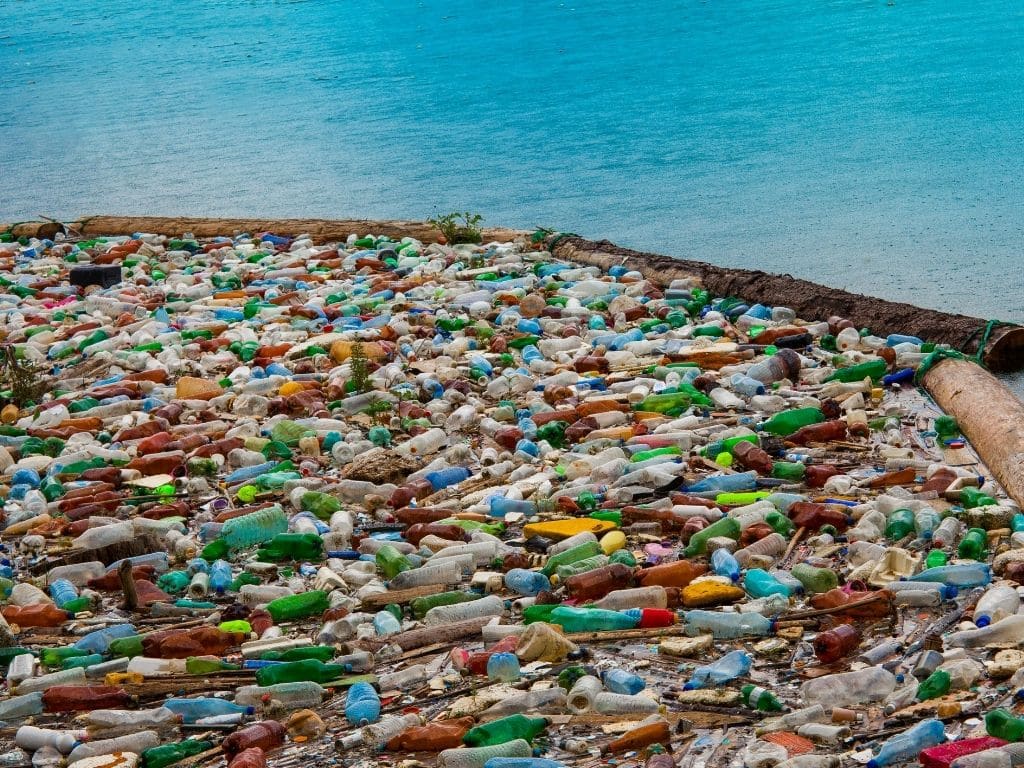
Hallal Bilal: Urbanization plays a role, as does unemployment and agriculture. Crops like cocoa, oil palm, and rubber all contribute to deforestation.
RFI: The Ivorian authorities aim to increase tree cover from 3 million to 6.5 million hectares by 2030. Is this goal feasible?
Hallal Bilal: Yes, it is possible. The government is promoting reforestation, and initiatives like National Tree Day and opening classified forest concessions to private funding are steps in the right direction.
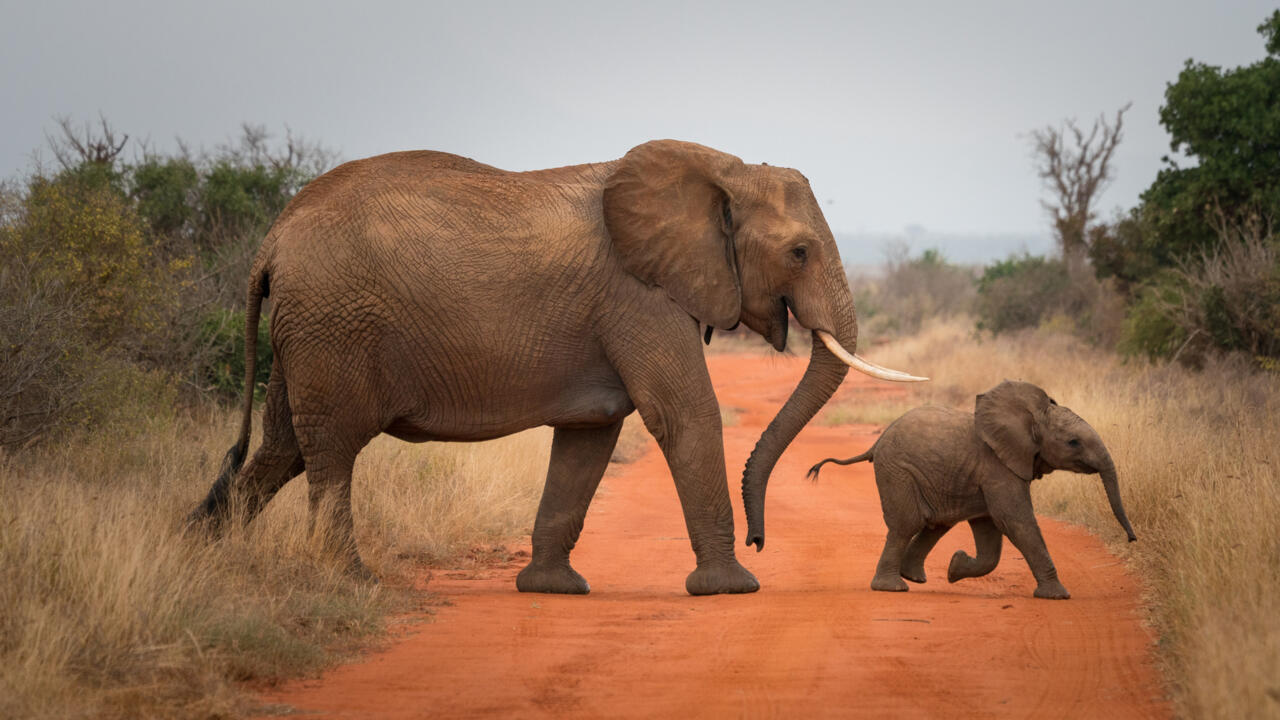
RFI: Côte d'Ivoire's emblematic animal is the elephant, but it is threatened with extinction.
Hallal Bilal: The elephant population has dramatically declined, with estimates currently between 200 and 500 individuals, down from over a thousand two decades ago. Immediate action is vital to protect and help them reproduce.
RFI: Are wandering elephants killed by villagers?
Hallal Bilal: No, when the Ministry of Water and Forests receives reports of wandering elephants, they dispatch teams to protect them and raise public awareness. People are often fascinated by elephants, which can lead to risky encounters, but generally, they do not harm them.
RFI: Is poaching still a problem?
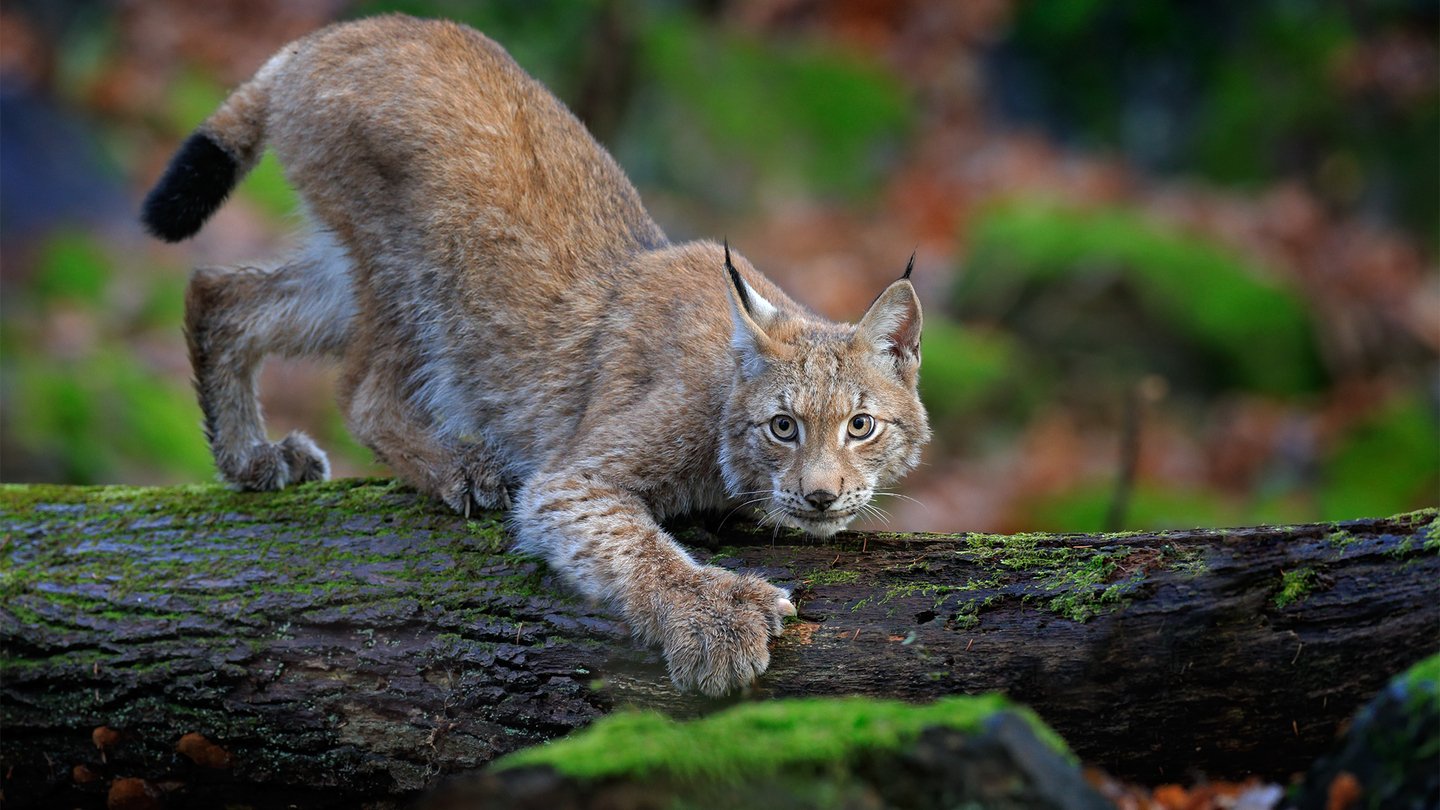
Hallal Bilal: Yes, poaching for ivory, skin, and meat continues, and bushmeat consumption remains a cultural practice in Africa.
RFI: Aren't you worried that deforestation will continue and some species will disappear despite official rhetoric?
Hallal Bilal: We are committed to preventing that. Our dedication to protecting nature drives us, and we are actively involved in awareness campaigns to engage the Ivorian spirit of conservation.
RFI: If people do not agree with the current approach, what can be done?
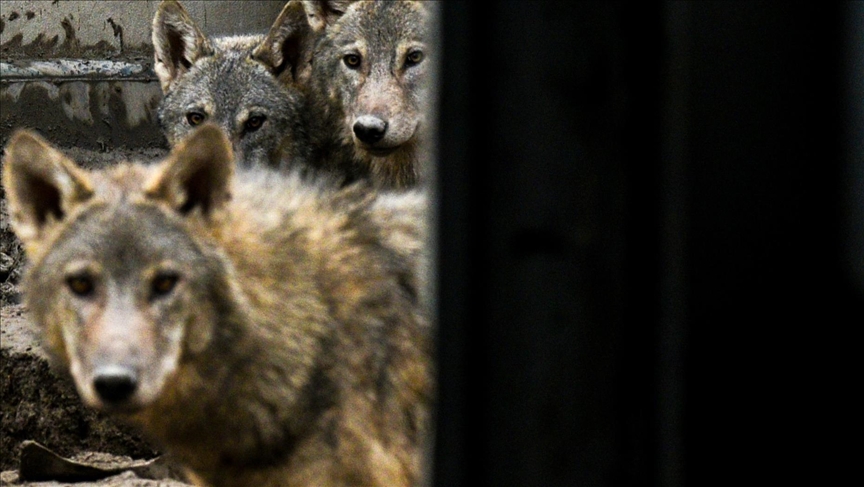
Hallal Bilal: We are conducting numerous awareness campaigns to inspire action. Conservation is our heritage, and people are beginning to understand its importance. Since 2023, we have rescued many animals from poaching and trafficking, caring for them until they can be safely returned to the wild.
We are also working to include conservation topics in school curricula, as demonstrated by recent meetings with educational officials to promote environmental education.