Armed Conflict, Not Batwa People, at Heart of Grauer’s Gorillas’ Past Decline in DRC Park
-
 Loading...
 - Deladem Allotey
- 30 Dec 2024
- 44 Views
- 0 Like
- 0 Comment
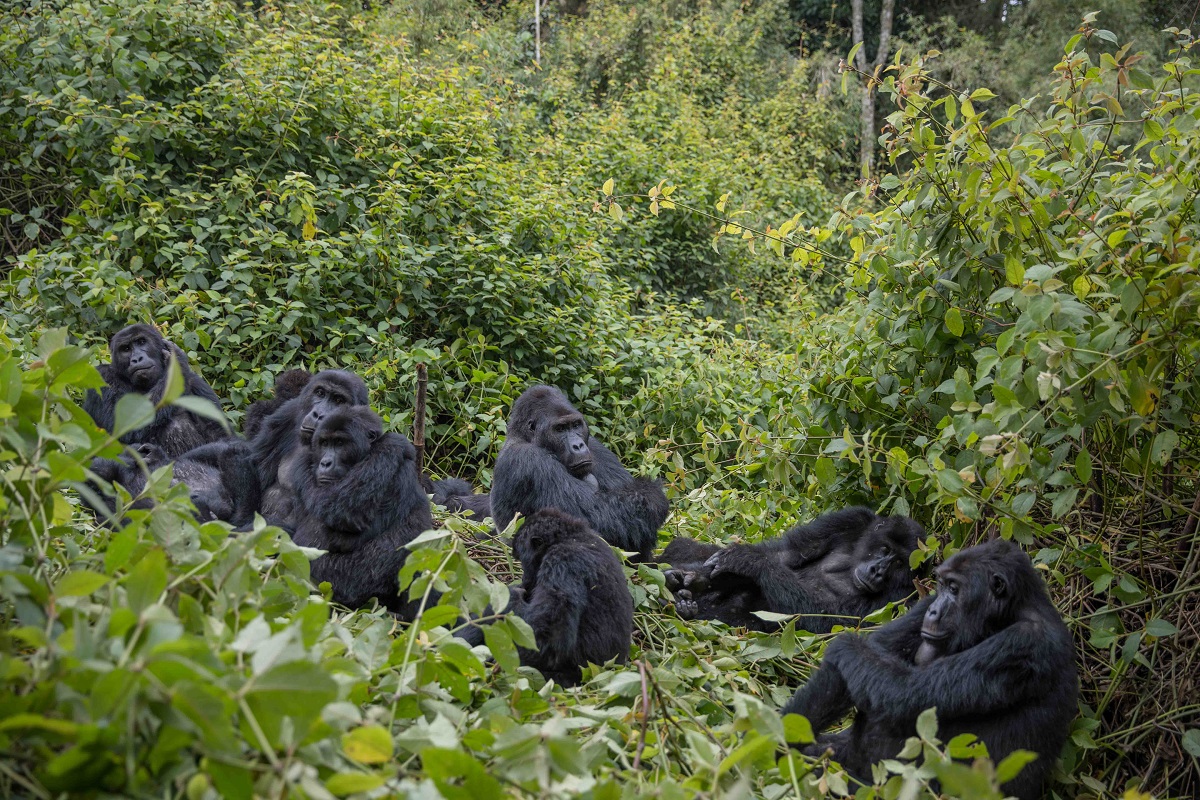
A new study has revealed that the decline of Grauer’s gorillas in Kahuzi-Biega National Park, a key stronghold for this critically endangered subspecies in the Democratic Republic of Congo (DRC), was primarily driven by the impacts of armed conflict rather than the presence or absence of Indigenous communities. Following the end of the Second Congo War in 2003, gorilla populations in the park's highland sector began to recover, with recent estimates indicating a population of around 252 individuals, and potentially as high as 404.
The research challenges two prevailing narratives regarding the Indigenous Batwa people, who were historically native to the area. Some conservation authorities have labeled the Batwa as forest destroyers responsible for the decline of gorilla populations, while certain Indigenous rights activists argue that the decline occurred because the Batwa were evicted from their lands and could no longer care for the forest. The study, however, suggests that the situation is far more complex.
Historically, the Batwa inhabited Kahuzi-Biega National Park until they were forcibly evicted in the 1970s without alternative lands. Today, the park serves as a center for gorilla tourism and conservation efforts. The study analyzed field survey data and found that after the Batwa's removal, gorilla numbers remained stable, fluctuating between 223 and 258 individuals. It was only during the Rwandan genocide in 1994 and the subsequent Congo Wars that gorilla populations plummeted to an estimated 130.
The major decline in gorilla numbers coincided with the influx of refugees during these conflicts, which placed immense pressure on park resources. Armed groups, including remnants of the Rwandan military, established bases within the park, leading to increased poaching and resource extraction. The study's co-author, Fergus O’Leary Simpson, noted that poaching intensified during the Second Congo War, as various armed factions exploited the park's resources.
The researchers concluded that changes in gorilla populations occurred independently of the Batwa's presence in the park. They argue that the narratives framing the Batwa as either destroyers or guardians of the forest overlook the broader socioecological realities, including armed conflict, politics, and illegal resource extraction.
While the eviction of the Batwa may have interacted with these factors, the study suggests it was not a central cause of the gorilla population decline. Instead, the authors highlight the need to understand the complex interplay of various influences, including armed conflict and resource exploitation, that have shaped the region's ecological landscape.
The study also points to the ongoing challenges faced by the Batwa people, who continue to experience extreme poverty and limited access to resources. This situation has led to illegal activities, such as charcoal production, which further threaten the park's ecosystem. The authors emphasize the importance of engaging Indigenous communities in conservation efforts, arguing that their involvement is crucial for sustainable management of the park's resources.
As the DRC grapples with the legacy of conflict and its impact on biodiversity, the findings of this study underscore the need for a nuanced understanding of the factors influencing wildlife populations and the role of Indigenous communities in conservation. Collaborative approaches that include the Batwa and other stakeholders are essential for effective conservation strategies that benefit both the environment and local communities.