Protecting Hornbills has Sweet Results for an Indigenous Community in Malaysia
-
 Loading...
 - Lorenzo Russo
- 01 Sep 2022
- 77 Views
- 0 Like
- 0 Comment
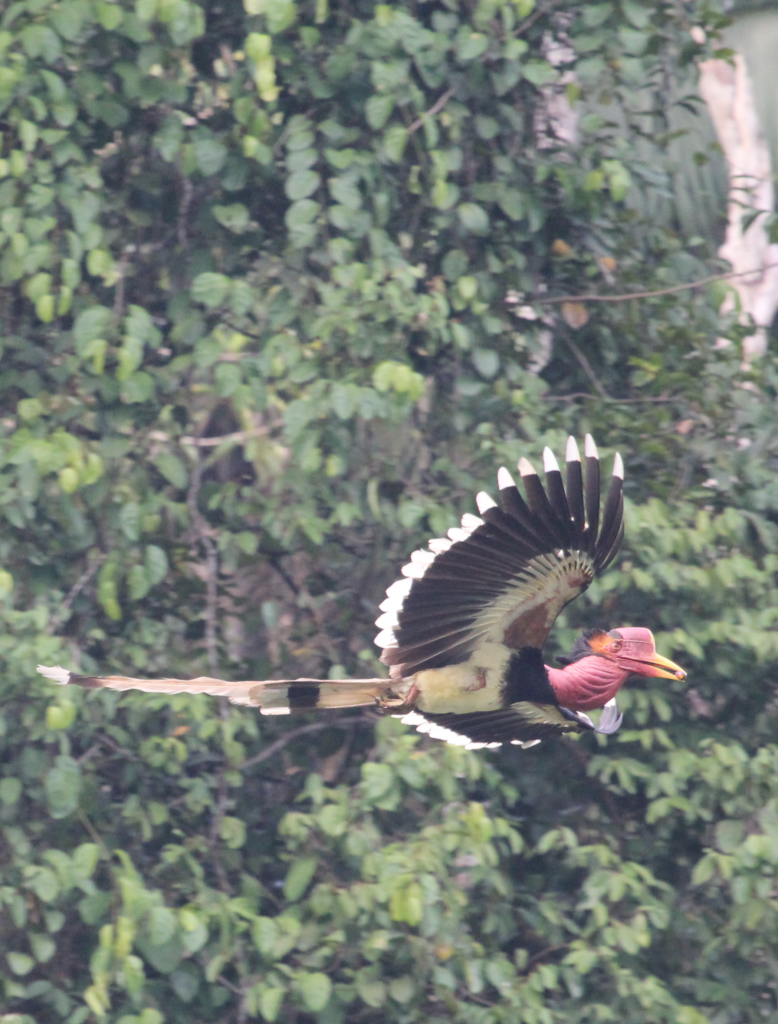
Throughout the dense tropical rainforests of Belum-Temenggor Forest Complex (BTFC) in Malaysia, the Malaysian Nature Society’s (MNS) Hornbill Guardian teams patrol the landscape in search of Helmeted Hornbills. The Hornbill Guardians are also members of Malaysia’s Indigenous community called the Orang Asli. Since 2004, they have been working with MNS to protect the Critically Endangered Helmeted Hornbill and other hornbill species through community patrol and monitoring units, along with a more unusual initiative – selling Tualang honey and beeswax. These initiatives have inspired other creative and often flavourful Helmeted Hornbill protection programs from BirdLife Partners around the region.
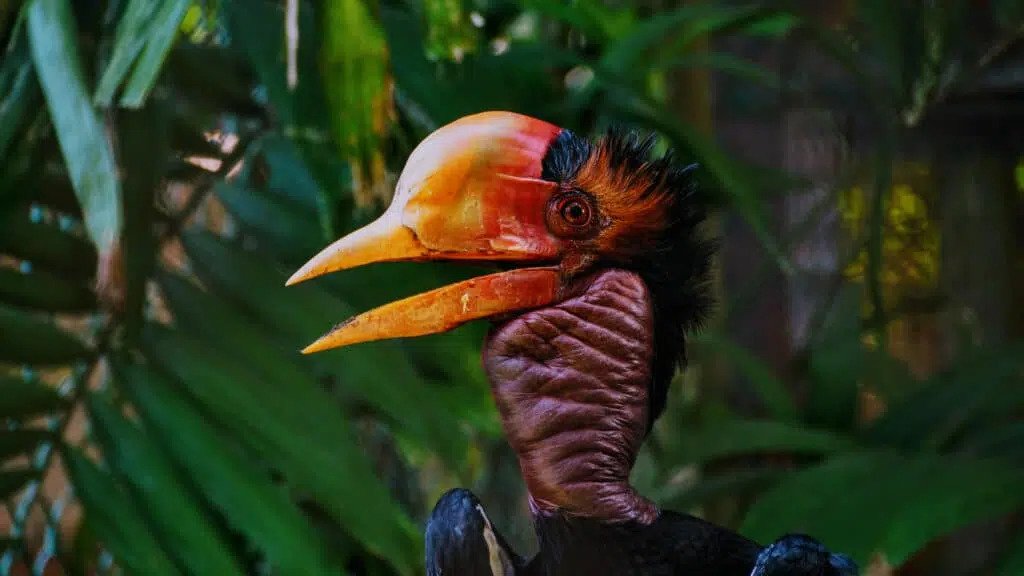
The Helmeted Hornbill can be found across four countries: Malaysia, Indonesia, Myanmar, Thailand and Brunei Darussalam. The birds use the cavities of large, tall rainforest trees to nest as hornbills cannot excavate nor build their own nests. Their presence in these forests is crucial, as they eat fruit and spread the seeds throughout the rainforest. Unfortunately, what makes these birds unique from other hornbills also makes them more threatened for poaching. Unlike the hollow casques of other hornbills, the Helmeted Hornbill’s casque is mostly solid. Poachers hunt the birds and sell their casques which are then intricately carved and sold for thousands of dollars.
When MNS began work to protect and maintain the Helmeted Hornbill and its forest habitat, they turned to the people living alongside the birds, the Orang Asli. Orang Asli, directly translated as original people, have historically inhabited forest environments around Peninsular Malaysia. While many have moved into towns around the country, the community of Kampung Chuweh still resides in the BTFC.
In conserving Helmeted Hornbills, the MNS sought to ‘marry’ both modern conservation techniques with the Orang Asli’s traditional ecological knowledge of BTFC and the hornbills. Chin-Aik Yeap, the project manager and co-founder of the MNS Hornbill Conservation Project, developed a program to do just that, and called it the Hornbill Guardians. Six Orang Asli were hired to hike through the forested hills and take boats around the jade-coloured river valleys, searching for and monitoring the Helmeted Hornbills and the 9 other hornbill species in the area. When the Hornbill Guardians came across a nest, they took turns to watch over the tree and nest until the chicks hatched. To date, the MNS Hornbill Conservation Project has recorded over 100 hornbill nests in BTFC comprising of 9 species. Read More...