Ivory Coast's 'Pearl of Lagoons' loses its lustre
-
 Loading...
 - Pascale Messi
- 01 Sep 2022
- 85 Views
- 0 Like
- 0 Comment
It was once a jewel of West Africa -- the "Pearl of Lagoons," people liked to call it.
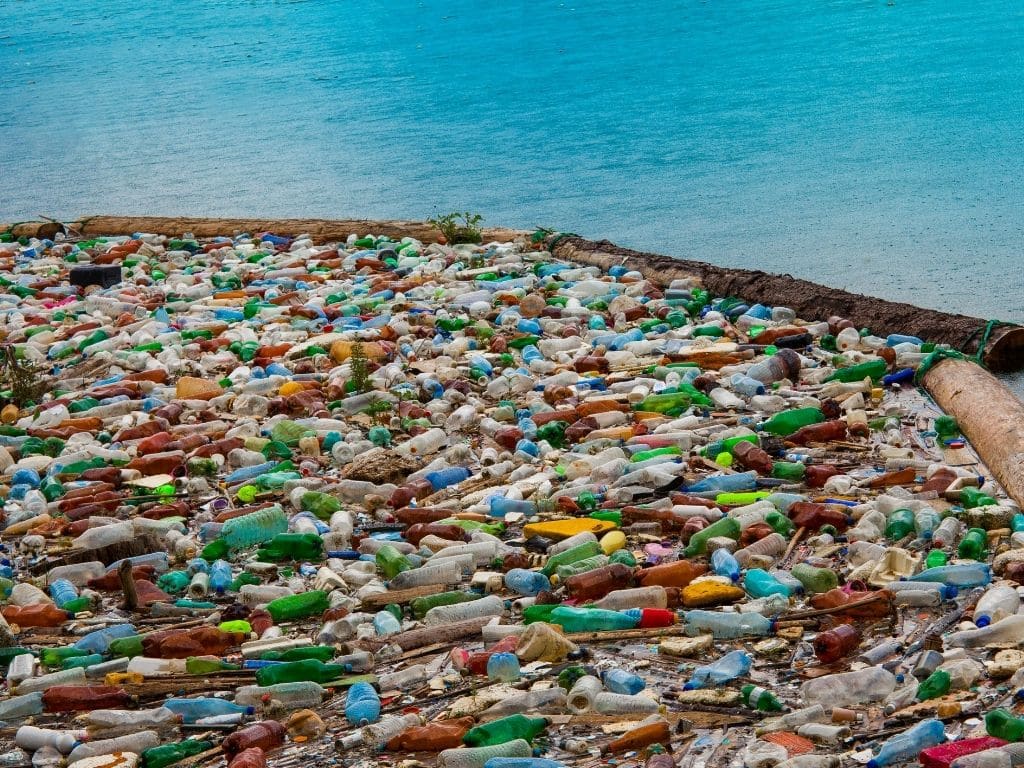
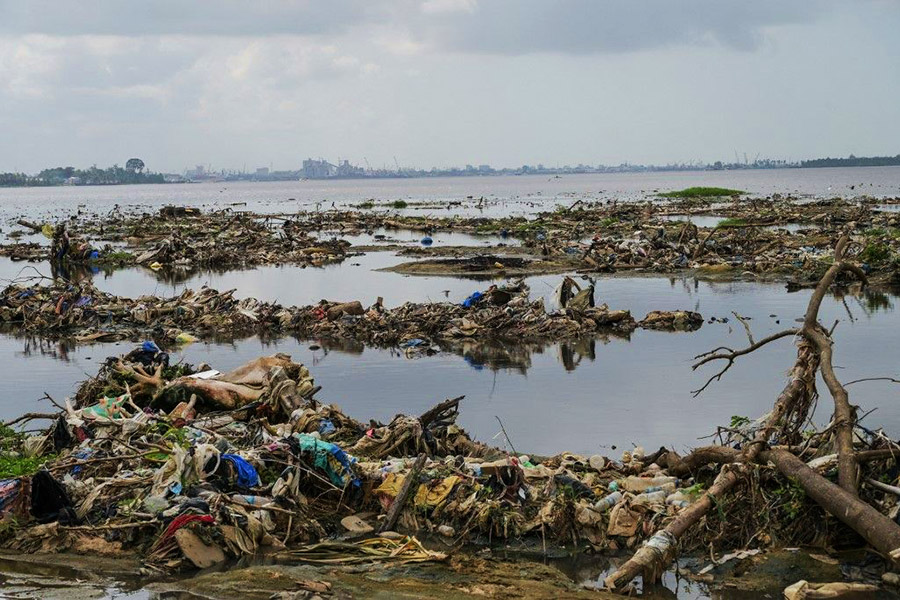
Today, the vast Ebrie lagoon which abuts Ivory Coast's economic capital Abidjan is a sick and sorry sight, choked by plastic pollution and ravaged by sand extraction and unbridled development.
Named after an ethnic group that lives on its banks, the lagoon covers 120,000 hectares (297,000 acres), mostly separated from the Atlantic Ocean by a strip of land.
Old-timers wax nostalgic about the days when its waters were a pristine aquamarine and mangroves teemed with fish and wildlife.
Today, the shoreside village of Beago exemplifies a nightmarish problem with plastic.
Discarded bottles, wrappers and other plastic rubbish smother the banks for at least a kilometre (more than half a mile).
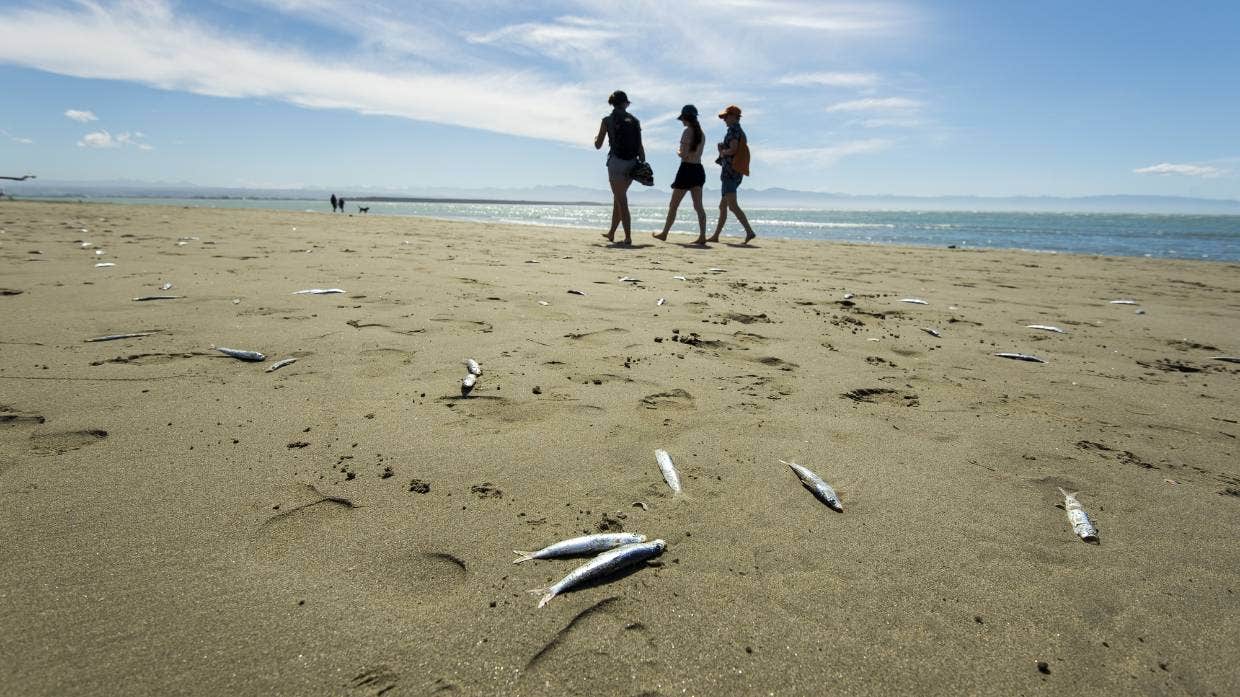
"The situation is alarming. There are no more fish because of the pollution -- fishing has been abandoned," said the village chief Paul Abe Blessoue, 73.
Urban and industrial waste from Yopougon, Abidjan's biggest district, has transformed his village of 3,000 inhabitants into an open dump, he said.
"If we are not careful, Beago could disappear in a few years, abandoned by its inhabitants," he said.
- Minimal recycling -
Discarded plastic typically enters the marine environment from rivers or drains or by the wind. Once there, it becomes a notorious problem.
Larger pieces can choke seabirds and mammals, and after biodegradation that can take years, tiny fragments may enter the food chain at the smallest level.
Many rich economies are trying to crack down through such measures as banning single-use plastic bags, launching awareness programmes and sorting rubbish to encourage recycling.
But in Ivory Coast, as in many developing countries, little such headway has been made.
The country of 26 million produces 460,000 tonnes of plastic waste each year, said Yaya Kone, CEO of recycling company Coliba Africa.
Of this, 290,000 tonnes come from Abidjan, where some six million people live.
"Only three percent is recycled and used again," he said.
The rest "ends up in nature, especially the lagoon and the sea." Read More...