After a year of climate initiatives, Vienna is looking forward to a greener 2022
-
 Loading...
 - Thompson Holmes
- 03 Jan 2022
- 416 Views
- 0 Like
- 0 Comment
At the end of 2021, Viennese Climate Councilor Jürgen Czernohorszky made a recap of the year's greening initiatives and the nearly 4,500 planted trees. Furthermore, he directed the attention towards the Austrian capital’s future initiatives with the Sponge City Project, the planned 400,000 square metres of green spaces and 25,000 trees in the next three years.
One of the greenest cities in the world
According to the current city data, 53% of the territory in Vienna is occupied by green spaces, making it one of the greenest cities in the world. This includes smaller urban parks, as well as the Vienna Woods, also known as the city’s lungs.
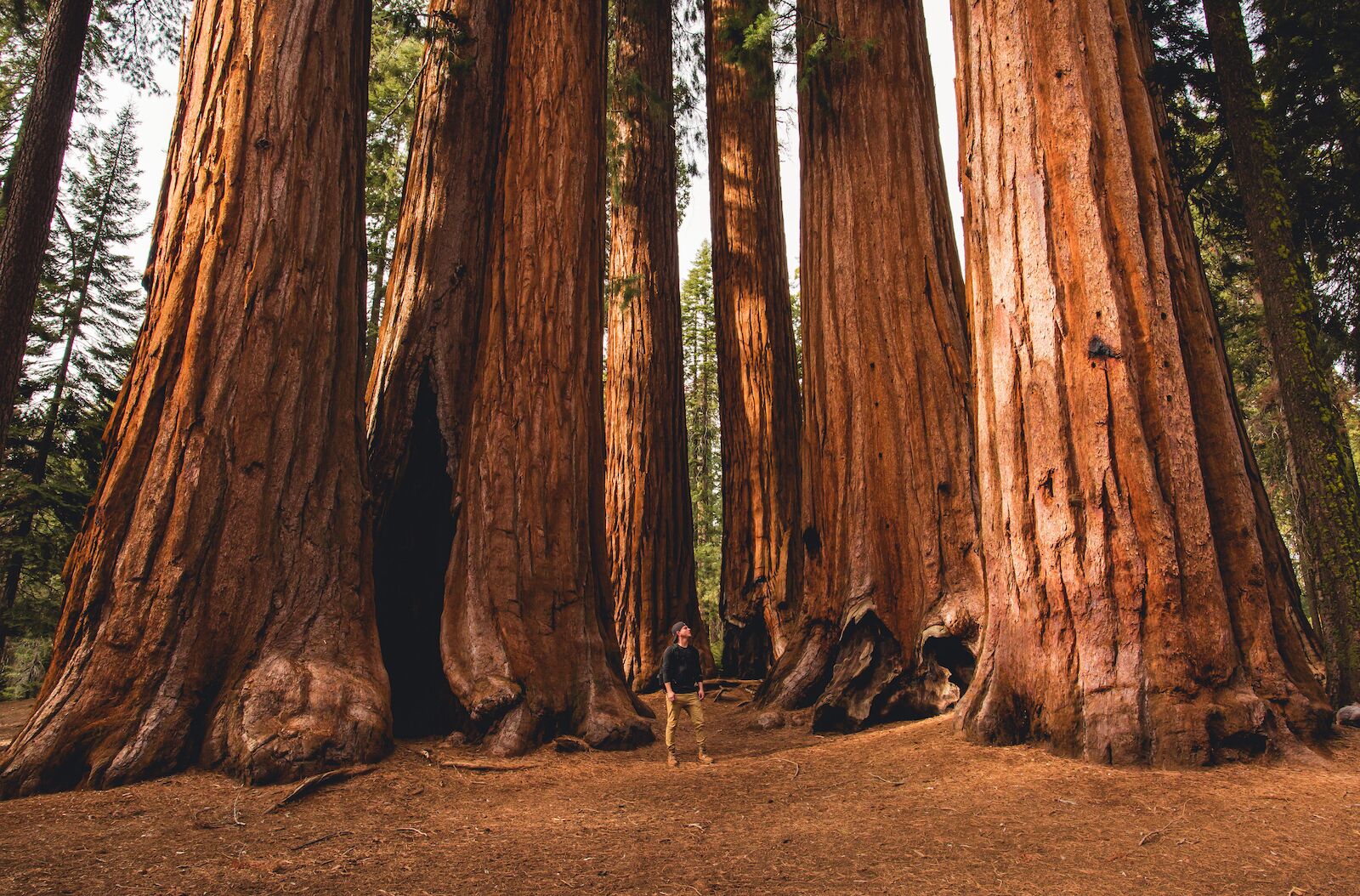
The amount of green spaces translates to approximately 500,000 trees living in Viennese parks at the moment. The trees have multiple benefits for the city, including trapping CO2 and fine dust particles while also cooling the surrounding area.
Czernohorszky explained that cities are threatened by climate change, as the concrete urban environment has an augmenting effect on extreme weather. Spaces flood easily while preventing the water to drain and during the summer heatwaves can be particularly deadly. Trees, in their own right, are an amazing solution to these problems.
Climate Change is also a major challenge for trees
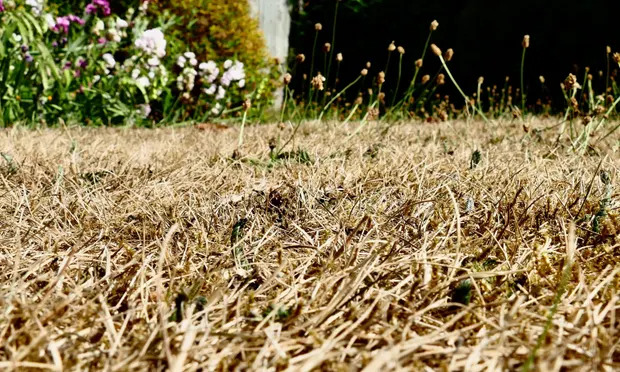
Trees, however, can also suffer the effects of extreme weather, with prolonged droughts, followed by intense rainfall can cause major damage. This is why local authorities have begun a gradual implementation of the Sponge City principle.
Essentially, Sponge City means a city that makes room for nature and instead of sealing the earth, it opens it up. It is a collection of small improvements, such as making more room for roots and allowing water to flow underground. These improvements add up over time and contribute to a holistic concept for urban greenery. Read More…