Biodiversity Crisis: A Question of Earth’s Future
-
 Loading...
 - Mido Nabil
- 20 Mar 2025
- 25 Views
- 0 Like
- 0 Comment
The biodiversity crisis is one of the most pressing challenges facing our planet today. As species extinction rates soar and ecosystems degrade, the implications for Earth's future are profound. This crisis is not just an environmental issue; it is a multifaceted problem that affects human health, food security, and economic stability. Understanding the causes, consequences, and potential solutions to the biodiversity crisis is crucial for ensuring a sustainable future for all life on Earth.
Biodiversity refers to the variety of life on Earth, encompassing the diversity of species, ecosystems, and genetic variations within species. It plays a vital role in maintaining ecosystem services, which are the benefits that humans derive from nature, such as clean air and water, pollination of crops, and climate regulation. Healthy ecosystems are resilient and can adapt to changes, but when biodiversity is compromised, these systems become vulnerable.
The Causes of the Biodiversity Crisis
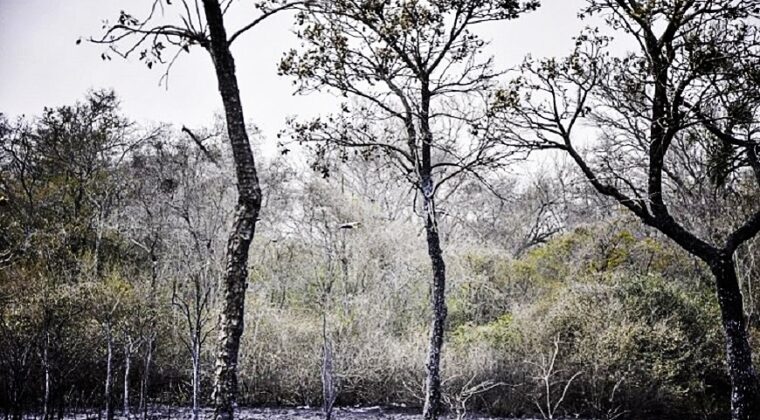
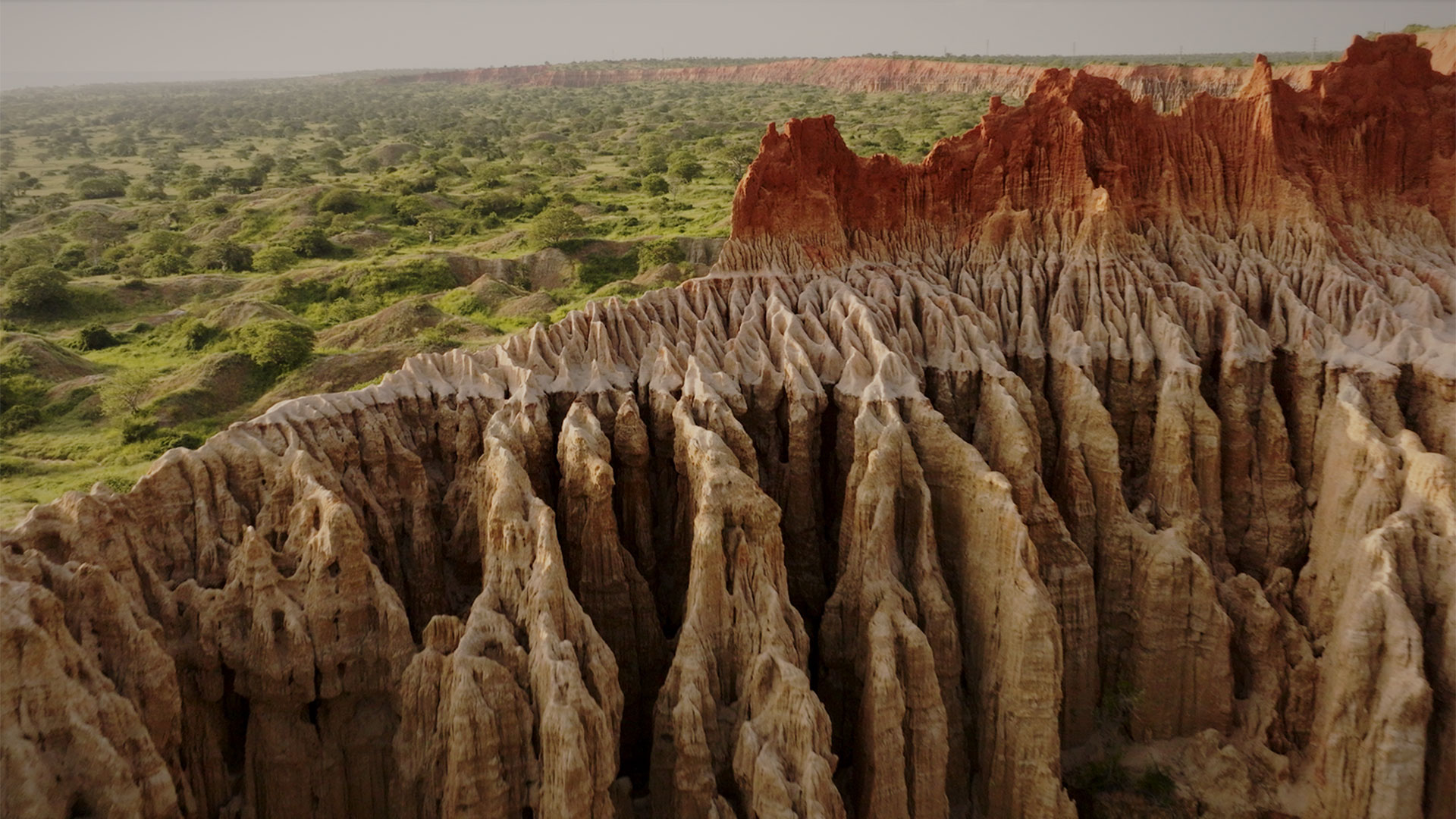
i. Habitat Destruction: Urbanization, deforestation, and agricultural expansion are leading to the loss of natural habitats. As ecosystems are fragmented or destroyed, species lose their homes and the resources they need to survive.
ii. Climate Change: Rising temperatures, changing precipitation patterns, and extreme weather events disrupt ecosystems and threaten species. Many plants and animals struggle to adapt to these rapid changes, leading to shifts in distribution and increased extinction rates.
iii. Pollution: Chemicals, plastics, and waste products contaminate air, water, and soil, harming wildlife and disrupting ecosystems. Pollutants can lead to declines in species populations and affect reproductive health.
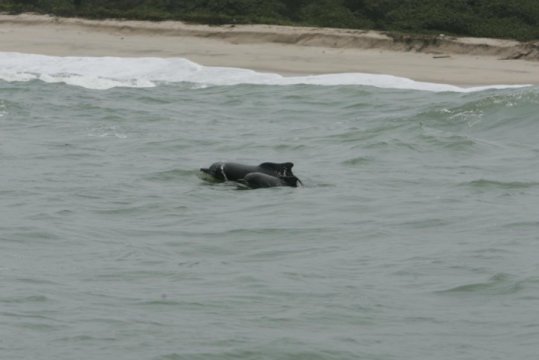
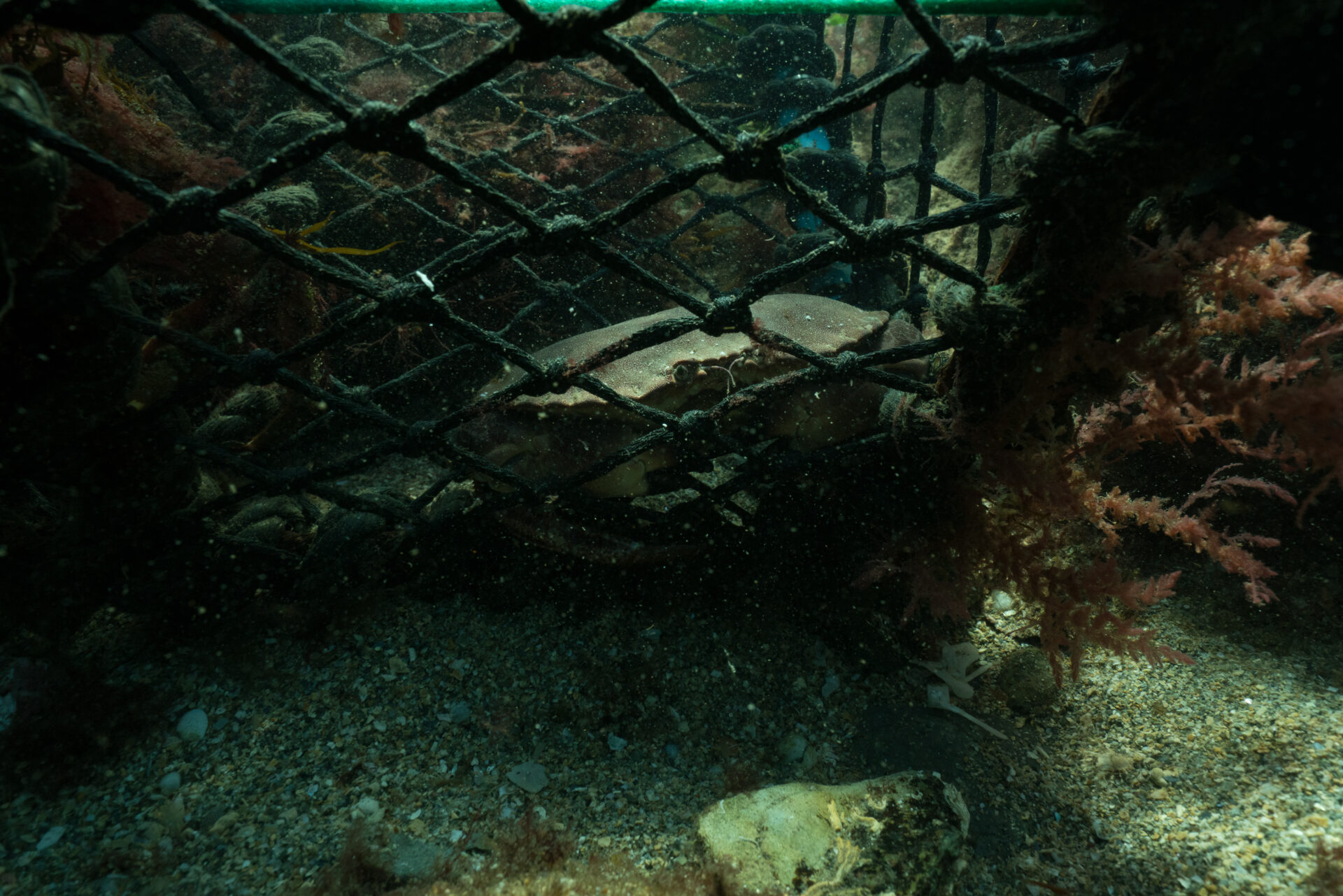
iv. Overexploitation: Unsustainable fishing, hunting, and harvesting of natural resources deplete populations faster than they can recover. This overexploitation can lead to the collapse of entire species and disrupt food webs.
v. Invasive Species: Non-native species introduced to new environments can outcompete, prey on, or bring diseases to native species, leading to declines in biodiversity. Invasive species can alter habitats and disrupt ecological balance.
Consequences of Biodiversity Loss
The loss of biodiversity has far-reaching consequences for both the environment and human society:
i. Ecosystem Services Decline: As biodiversity decreases, the ability of ecosystems to provide essential services diminishes. This can lead to food shortages, water scarcity, and increased vulnerability to natural disasters.
ii. Economic Impact: Many industries, including agriculture, fisheries, and tourism, rely on healthy ecosystems. Biodiversity loss can result in economic losses, job displacement, and increased costs for resource management.
iii. Health Risks: Biodiversity is crucial for human health. A decline in biodiversity can lead to the emergence of new diseases, reduced availability of medicinal resources, and increased food insecurity.
iv. Cultural Loss: Many cultures and communities are deeply connected to their local ecosystems. The loss of biodiversity can erode cultural identities and traditional practices that rely on natural resources.
Solutions to the Biodiversity Crisis
Addressing the biodiversity crisis requires a multifaceted approach that involves individuals, communities, governments, and organizations:
i. Conservation Efforts: Protecting and restoring natural habitats through the establishment of protected areas, wildlife reserves, and conservation programs is essential for preserving biodiversity.
ii. Sustainable Practices: Promoting sustainable agriculture, fishing, and forestry practices can help reduce the impact on ecosystems while ensuring that resources are available for future generations.
iii. Climate Action: Mitigating climate change through the reduction of greenhouse gas emissions and the promotion of renewable energy sources is critical for protecting biodiversity.
iv. Public Awareness and Education: Raising awareness about the importance of biodiversity and the threats it faces can empower individuals and communities to take action and advocate for change.
v. Policy and Legislation: Governments must implement and enforce policies that protect biodiversity, regulate resource use, and promote sustainable development.
vi. Community Involvement: Engaging local communities in conservation efforts and decision-making processes ensures that solutions are culturally relevant and effective.
The biodiversity crisis poses a significant threat to the future of our planet and humanity. By understanding the causes and consequences of biodiversity loss, we can take meaningful action to protect the rich tapestry of life on Earth. It is imperative that we work together to create a sustainable future that values and preserves biodiversity for generations to come. The health of our planet and the well-being of future generations depend on it.