Bolivia Has National Rights of Nature Laws. Why Haven’t They Been Enforced?
-
 Loading...
 - Anneli Manurmi
- 22 Oct 2024
- 47 Views
- 0 Like
- 0 Comment
This year marks a devastating chapter for Bolivia's Amazon rainforest, with record levels of deforestation and fire threatening the lives and cultures of Indigenous peoples. The situation is exacerbated by slash-and-burn agriculture and climate change, leading to a crisis that has left communities like the Tacana facing existential threats.
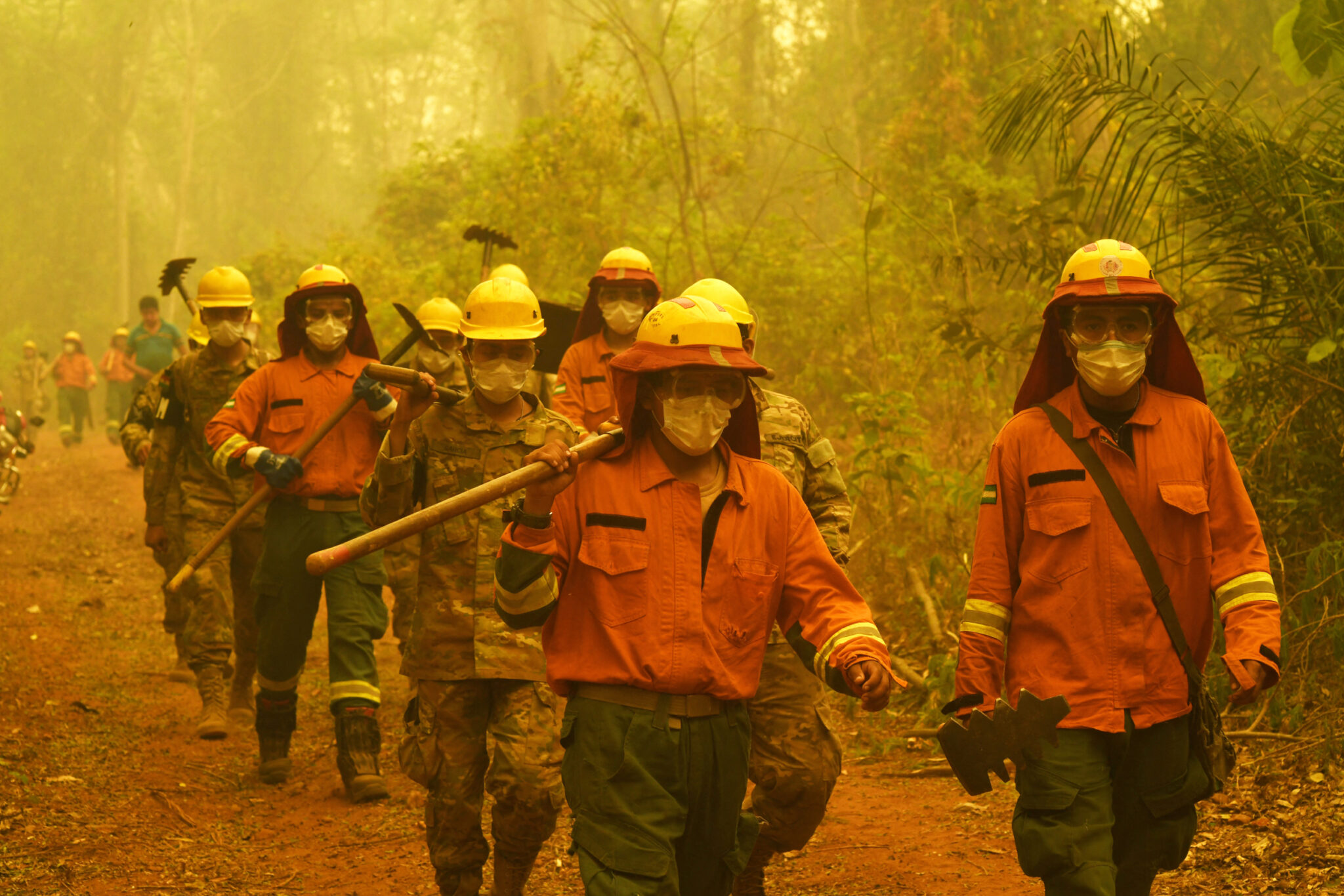
Dario Mamio Serato, a leader of the Tacana people, vividly recalls the day when fire engulfed their rainforest home. As he fought to protect his village from the advancing flames, he experienced firsthand the devastating impact of an unusually prolonged dry season, which has left rivers parched and the forest vulnerable. Despite the efforts of local fire brigades and community members, the fires have become a new normal in the Bolivian Amazon, with over 10 million hectares burned this year alone—an area comparable to the size of Indiana.
In 2010 and 2012, Bolivia enacted groundbreaking laws recognizing the rights of Pachamama, or Mother Earth. These laws were intended to shift the legal framework from viewing nature as property to recognizing its intrinsic rights. However, over a decade later, these laws remain largely unenforced and ineffective in protecting the environment and Indigenous communities.
The rights of nature laws were seen as a bold step towards environmental justice, yet they have been criticized as watered down and lacking the necessary enforcement mechanisms. As Mamio Serato and other Indigenous leaders have pointed out, the government has failed to uphold these laws, allowing destructive practices like logging, mining, and slash-and-burn agriculture to continue unabated.
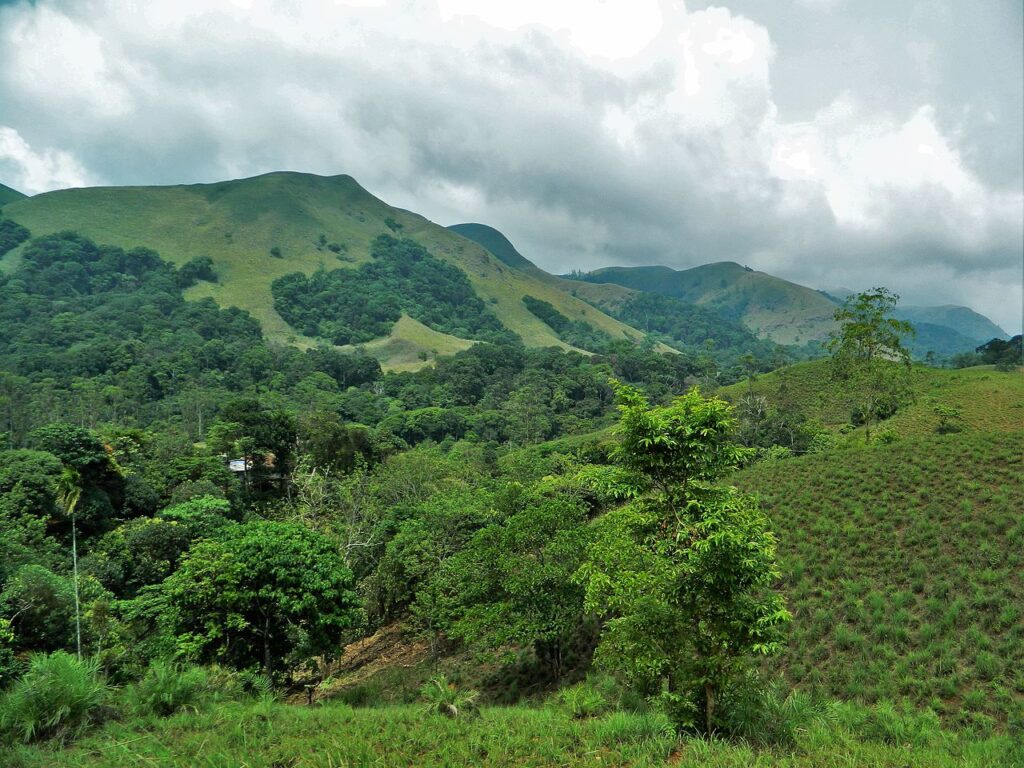
The current fire season is unprecedented, with flames consuming five times more forest than two decades ago. The Amazon rainforest, which has historically been resilient to natural wildfires, is now increasingly susceptible due to decades of deforestation and climate change. The loss of trees disrupts the natural water cycle, leading to more drought-prone conditions and further exacerbating the risk of fires.
The drivers of this destruction are well-known: agricultural expansion, illegal mining, and resource extraction, all incentivized by government policies that prioritize short-term economic gains over environmental protection. As a result, Bolivia has become one of the leading countries in tree loss and environmental degradation.
Indigenous communities like the Tacana have long been the guardians of the Amazon, relying on their deep knowledge of the land to sustain their way of life. However, they face increasing threats from land grabbers and extractive industries. Mamio Serato has experienced this firsthand, receiving threats for his activism against palm oil plantations encroaching on their territory.
Despite the challenges, Indigenous leaders are rallying to reclaim their rights and protect their environment. They are drawing on successful movements in other countries, such as Ecuador and Peru, to advocate for the enforcement of rights of nature laws and to develop sustainable alternatives to extractive practices.
The current environmental crisis in Bolivia underscores the urgent need for effective enforcement of rights of nature laws. Activists like Fátima Monasterio Mercado emphasize that the responsibility for protecting the environment lies not only with the government but also with civil society. Recent grassroots initiatives, including local resolutions declaring towns free from mining and referendums on environmental laws, reflect a growing movement to hold the government accountable for its environmental policies.
As Mamio Serato and his community continue to fight for their rights and the health of the Amazon, they embody the interconnectedness of humanity and nature. Their struggle is not just for their survival but for the preservation of a vital ecosystem that supports life on Earth.
In conclusion, while Bolivia has made significant strides in recognizing the rights of nature, the lack of enforcement and the prioritization of economic interests over environmental protection pose significant challenges. The voices of Indigenous communities must be amplified, and their rights must be upheld to ensure a sustainable future for both the Amazon and its inhabitants.