The Nature Conservancy and Explora Team Up for Conservation in Patagonia
-
 Loading...
 - Minna Virtanen
- 07 Jun 2023
- 76 Views
- 0 Like
- 0 Comment
A groundbreaking collaboration has been established between sustainable tourism company Explora and The Nature Conservancy (TNC) to safeguard a portion of Chile's Patagonia. The partnership aims to conserve and protect the Chilean Patagonia, a globally significant landscape and conservation priority for TNC. This collaboration marks a significant milestone for Explora, as it establishes its first private protected area in Patagonia, known as the Torres del Paine Conservation Reserve. The ultimate goal is to develop a regenerative tourism model that can be replicated in other regions.
To implement the conservation model within the reserve, an open standards planning methodology will be employed. This approach actively engages neighboring communities, as well as other social and environmental stakeholders, to collectively envision the future of the area. The initiatives will be prioritized, and concerted efforts will be made towards conservation.
The newly designated reserve boasts exceptional biodiversity, housing a variety of unique species such as Chilean flamingos (Phoenicopterus chilensis), condors (Vultur gryphus), pumas (Puma concolor), and guanacos (Lama guanicoe). Encompassing 32% forest cover, the area harbors 20 mammal species, over 150 bird species, and 131 plant species. Located within the renowned Torres del Paine biosphere reserve, which spans more than 700,000 hectares of pristine Patagonian landscapes and includes the Torres del Paine National Park, this collaboration aims to integrate exploration, conservation, and scientific research. Its overarching objective is to preserve the geological, paleontological, and cultural identity and history of Patagonia for generations to come.

Juan José Donoso, the Executive Director of TNC Chile, elucidated that TNC is taking the lead in conservation planning for the area, working closely with local communities and institutions. This inclusive approach ensures that the future vision of the zone reflects the actual needs of the local population, drawing upon their knowledge and wisdom passed down through generations. Additionally, Explora and TNC are striving to legally safeguard the new reserve, guaranteeing its perpetual conservation and harmonious coexistence with nature under Chile's Derecho real de Conservacion (DRC) easement law. A rigorous management plan will be put in place to ensure continuous monitoring, preserving the vital flora, fauna, freshwater resources, and cultural heritage, all of which will be identified through TNC's comprehensive conservation plan.
During the reserve's inauguration, Donoso expressed his conviction that this collaboration with Explora would inspire individuals and institutions worldwide to rally behind the cause of planet preservation by 2030, forging innovative financing models for nature conservation.

Aligned with the conservation plan, the Explora Conservation Reserve will provide self-guided trails accessible to the public, equipped with informative materials about the region, as well as scenic viewpoints to behold the awe-inspiring landscapes. Approximately 1% of the reserve will be allocated for infrastructure development, with the remaining land dedicated to conservation, protected by the DRC.
Gonzalo Undurraga, the General Manager of Explora, emphasized that this reserve exemplifies the company's strengthened commitment to conservation. By merging their extensive experience in exploring remote territories and fostering connections between people and nature, this initiative enables them to collaboratively safeguard these areas.
Participatory Conservation Workshop
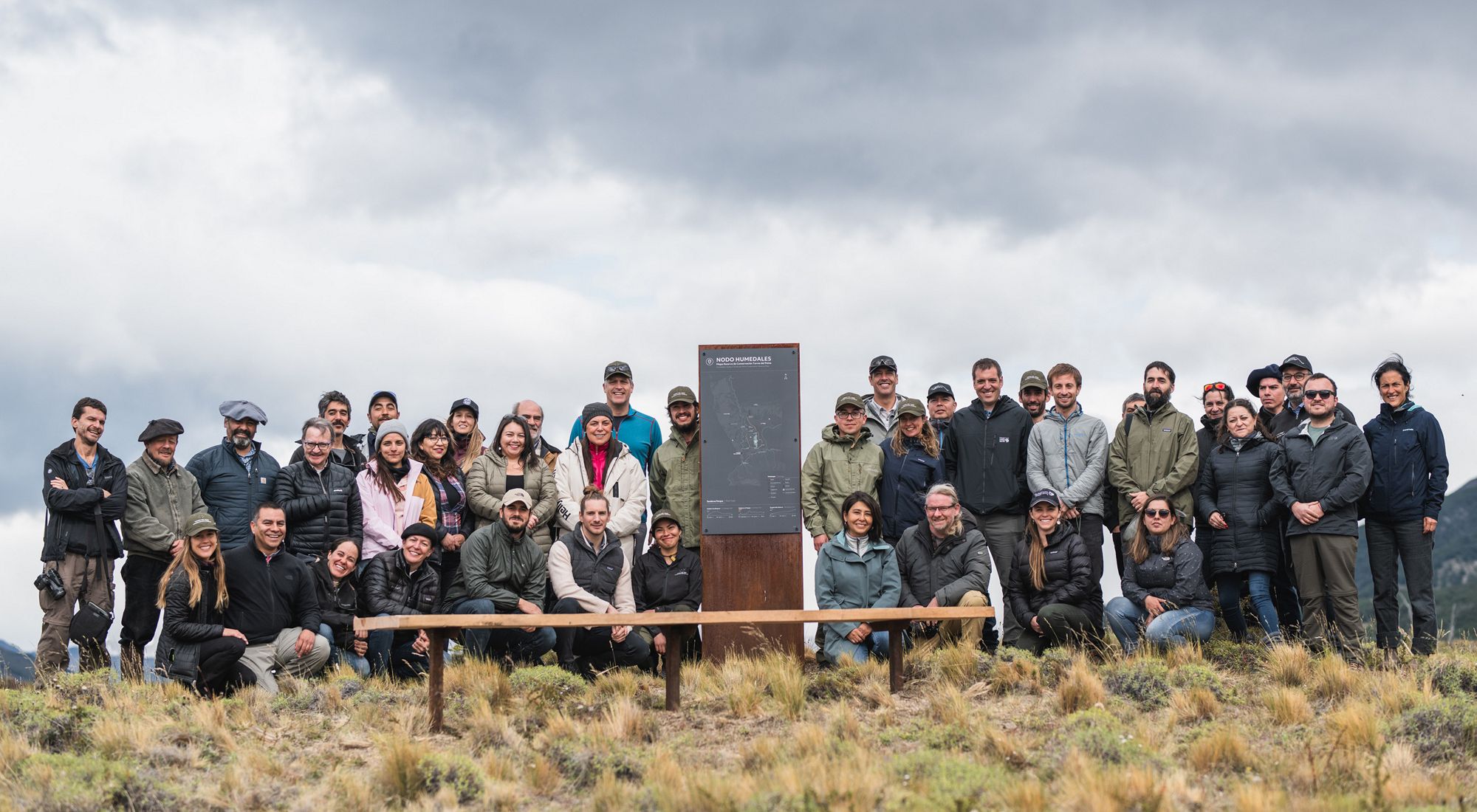
To mark the reserve's inauguration, Explora and TNC organized a participatory conservation workshop. Maryann Ramírez, the Director of Strategy and New Conservation Models of TNC Chile, explained that the Explora conservation reserve holds a unique position within the Torres del Paine biosphere reserve. Given the presence of various private landowners in the region with diverse interests, ranging from cattle ranching to tourism, stakeholders such as the National Forest Corporation (CONAF), the Ministry of the Environment, the regional government, private owners, and Explora were invited to co-design comprehensive conservation solutions for the territory.

The conservation workshop spanned two days, during which the participants defined work teams, outlined the scope of the plan, and identified conservation objectives. These objectives encapsulate the elements that require preservation within the zone, including natural, cultural, and geographical characteristics. The aim was to establish conditions for implementing actions that would promote biodiversity protection and a renewed appreciation and valuation of the territory. Ramírez highlighted the importance of generating innovative conservation solutions that can be scaled up nationwide, emphasizing the significance of working alongside private landowners to enhance ecosystem conservation.
The workshop produced a report that delineates the conservation plan's vision for the reserve. It incorporates the open standards methodology, outlines the area of influence, and identifies potential conservation objects, encompassing various aspects such as natural and cultural elements, as well as geographical features. TNC is spearheading the process to develop the comprehensive conservation plan, which will entail conducting interviews with key stakeholders and hosting a series of workshops. These activities will facilitate the identification of conservation objectives, assessment of threats to their sustainability, and formulation of the necessary actions to address them. The final conservation plan will outline the strategic steps for the upcoming five years.