Home Upload Photo Upload Videos Write a Blog Analytics Messaging Streaming Create Adverts Creators Program
Bebuzee Afghanistan Bebuzee Albania Bebuzee Algeria Bebuzee Andorra Bebuzee Angola Bebuzee Antigua and Barbuda Bebuzee Argentina Bebuzee Armenia Bebuzee Australia Bebuzee Austria Bebuzee Azerbaijan Bebuzee Bahamas Bebuzee Bahrain Bebuzee Bangladesh Bebuzee Barbados Bebuzee Belarus Bebuzee Belgium Bebuzee Belize Bebuzee Benin Bebuzee Bhutan Bebuzee Bolivia Bebuzee Bosnia and Herzegovina Bebuzee Botswana Bebuzee Brazil Bebuzee Brunei Bebuzee Bulgaria Bebuzee Burkina Faso Bebuzee Burundi Bebuzee Cabo Verde Bebuzee Cambodia Bebuzee Cameroon Bebuzee Canada Bebuzee Central African Republic Bebuzee Chad Bebuzee Chile Bebuzee China Bebuzee Colombia Bebuzee Comoros Bebuzee Costa Rica Bebuzee Côte d'Ivoire Bebuzee Croatia Bebuzee Cuba Bebuzee Cyprus Bebuzee Czech Republic Bebuzee Democratic Republic of the Congo Bebuzee Denmark Bebuzee Djibouti Bebuzee Dominica Bebuzee Dominican Republic Bebuzee Ecuador Bebuzee Egypt Bebuzee El Salvador Bebuzee Equatorial Guinea Bebuzee Eritrea Bebuzee Estonia Bebuzee Eswatini Bebuzee Ethiopia Bebuzee Fiji Bebuzee Finland Bebuzee France Bebuzee Gabon Bebuzee Gambia Bebuzee Georgia Bebuzee Germany Bebuzee Ghana Bebuzee Greece Bebuzee Grenada Bebuzee Guatemala Bebuzee Guinea Bebuzee Guinea-Bissau Bebuzee Guyana Bebuzee Haiti Bebuzee Honduras Bebuzee Hong Kong Bebuzee Hungary Bebuzee Iceland Bebuzee India Bebuzee Indonesia Bebuzee Iran Bebuzee Iraq Bebuzee Ireland Bebuzee Israel Bebuzee Italy Bebuzee Jamaica Bebuzee Japan Bebuzee Jordan Bebuzee Kazakhstan Bebuzee Kenya Bebuzee Kiribati Bebuzee Kuwait Bebuzee Kyrgyzstan Bebuzee Laos Bebuzee Latvia Bebuzee Lebanon Bebuzee Lesotho Bebuzee Liberia Bebuzee Libya Bebuzee Liechtenstein Bebuzee Lithuania Bebuzee Luxembourg Bebuzee Madagascar Bebuzee Malawi Bebuzee Malaysia Bebuzee Maldives Bebuzee Mali Bebuzee Malta Bebuzee Marshall Islands Bebuzee Mauritania Bebuzee Mauritius Bebuzee Mexico Bebuzee Micronesia Bebuzee Moldova Bebuzee Monaco Bebuzee Mongolia Bebuzee Montenegro Bebuzee Morocco Bebuzee Mozambique Bebuzee Myanmar Bebuzee Namibia Bebuzee Nauru Bebuzee Nepal Bebuzee Netherlands Bebuzee New Zealand Bebuzee Nicaragua Bebuzee Niger Bebuzee Nigeria Bebuzee North Korea Bebuzee North Macedonia Bebuzee Norway Bebuzee Oman Bebuzee Pakistan Bebuzee Palau Bebuzee Panama Bebuzee Papua New Guinea Bebuzee Paraguay Bebuzee Peru Bebuzee Philippines Bebuzee Poland Bebuzee Portugal Bebuzee Qatar Bebuzee Republic of the Congo Bebuzee Romania Bebuzee Russia Bebuzee Rwanda Bebuzee Saint Kitts and Nevis Bebuzee Saint Lucia Bebuzee Saint Vincent and the Grenadines Bebuzee Samoa Bebuzee San Marino Bebuzee São Tomé and Príncipe Bebuzee Saudi Arabia Bebuzee Senegal Bebuzee Serbia Bebuzee Seychelles Bebuzee Sierra Leone Bebuzee Singapore Bebuzee Slovakia Bebuzee Slovenia Bebuzee Solomon Islands Bebuzee Somalia Bebuzee South Africa Bebuzee South Korea Bebuzee South Sudan Bebuzee Spain Bebuzee Sri Lanka Bebuzee Sudan Bebuzee Suriname Bebuzee Sweden Bebuzee Switzerland Bebuzee Syria Bebuzee Taiwan Bebuzee Tajikistan Bebuzee Tanzania Bebuzee Thailand Bebuzee Timor-Leste Bebuzee Togo Bebuzee Tonga Bebuzee Trinidad and Tobago Bebuzee Tunisia Bebuzee Turkey Bebuzee Turkmenistan Bebuzee Tuvalu Bebuzee Uganda Bebuzee Ukraine Bebuzee United Arab Emirates Bebuzee United Kingdom Bebuzee Uruguay Bebuzee Uzbekistan Bebuzee Vanuatu Bebuzee Venezuela Bebuzee Vietnam Bebuzee World Wide Bebuzee Yemen Bebuzee Zambia Bebuzee Zimbabwe
Blog Image

Coral bleaching on Great Barrier Reef not limited to shallow depths

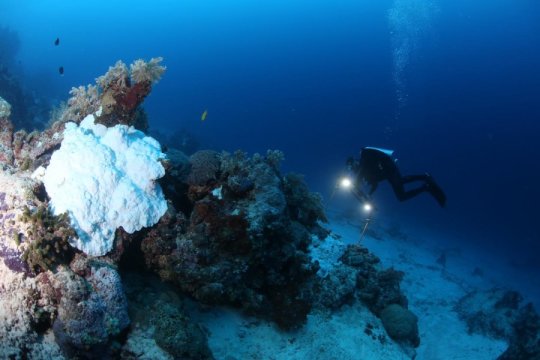
A diver takes a closer look at corals. Credit: © Pedro Frade

A new study demonstrates that the recent mass coral bleaching on the Great Barrier Reef was not restricted to shallow depths, but also affected deep reefs. Although deep reefs are often considered a refuge from thermal anomalies, the new research highlights limitations to this role and argues that both shallow and deep reefs are under threat of mass bleaching events. Published today in the journal Nature Communications, the study focuses on the mass bleaching event in 2016 that caused the death of 30% of shallow-water corals on the Great Barrier Reef. It details how the impacts of this bleaching lessened over depth, but were still substantial on deep reefs.

"During the bleaching event, cold-water upwelling initially provided cooler conditions on the deep reef," says study co-author Dr. Pim Bongaerts, curator of invertebrate zoology and Hope for Reefs co-leader at the California Academy of Sciences. "However, when this upwelling stopped towards the end of summer, temperatures rose to record-high levels even at depth."

Lead author Dr. Pedro Frade from the Center of Marine Sciences (CCMAR) says the research team was astounded to find bleached coral colonies down to depths of 131 feet beneath the ocean's surface. "It was a shock to see that the impacts extended to these dimly lit reefs, as we were hoping their depth may have provided protection from this devastating event."

The Great Barrier Reef is known to harbor extensive areas of deep coral reefs that are notoriously difficult to study. Using remotely operated vehicles (ROVs), the team deployed sensors to 328 feet beneath the ocean's surface to characterize how temperature conditions at depth differ from those in shallow habitats.

A team of divers then conducted surveys during the height of bleaching across a number of sites on the northern Great Barrier Reef. They noted that overall, major bleaching and mortality affected almost a quarter of corals at the deep sampling points, while confirming previous reports of impacts on close to half the shallower corals.

"Unfortunately, this research further stresses the vulnerability of the Great Barrier Reef," says Dr. Ove Hoegh-Guldberg from The University of Queensland, where the study was conducted. "We already established that the refuge role of deep reefs is generally restricted by the limited overlap in species with the shallow reef. However, this adds an extra limitation by demonstrating that the deep reefs themselves are also impacted by higher water temperatures."

The researchers will continue to study how the process of recovery varies between shallow and deep reefs.


Previous Post

Tracking marine migrations across geopolitical boundaries aids conservation

Next Post

Endocrine disruptors found in bottlenose dolphins

Comments