Investing in Moldova’s Forest Biodiversity for a Sustainable Future
-
 Loading...
 - Atifa Fares
- 02 Apr 2025
- 20 Views
- 0 Like
- 0 Comment
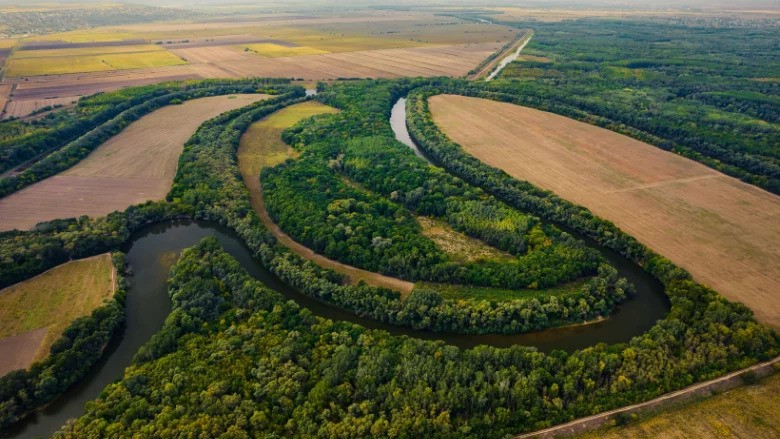
Biodiversity is essential for sustaining human life, as it helps maintain clean air and water while providing nutritious food. Every plant and animal, regardless of size, plays a crucial role in our ecosystems, which depend on how we manage biodiversity. In Moldova, forests are vital not only for the economy and environmental health but also for the country's aspirations for EU membership. They house 80% of the nation’s biological diversity, create jobs, protect against natural disasters, and are integral to national identity.
Ana Benoliel Coutinho, a National Farm to Fork and Agroecology Expert with Gradina Moldovei, emphasizes the potential of properly managed forests: "In Moldova, forests can be a source of abundance for local communities. Restored forests can create ecologically stable landscapes, allowing farmers to face climate change and severe weather events without fear." However, Moldova's forests are currently facing significant degradation due to excessive harvesting, unsustainable management practices, and the encroachment of invasive species. This degradation threatens communities by increasing vulnerability to climate change and water scarcity, as forests are critical for climate mitigation and water resource management.
Partnerships for Forest Expansion
The World Bank has been a long-term partner in promoting sustainable landscape management in Moldova. In 2021, it joined the EU-funded EU4Environment Programme to assist Eastern Partnership countries, including Moldova, in greening their economies. As part of this initiative, the World Bank is supporting the Government of Moldova in implementing the National Forest Extension and Rehabilitation Program (NFERP) for 2023-2032. This program aims to balance the need for forest products with long-term resilience to climate change through conservation and sustainable development.
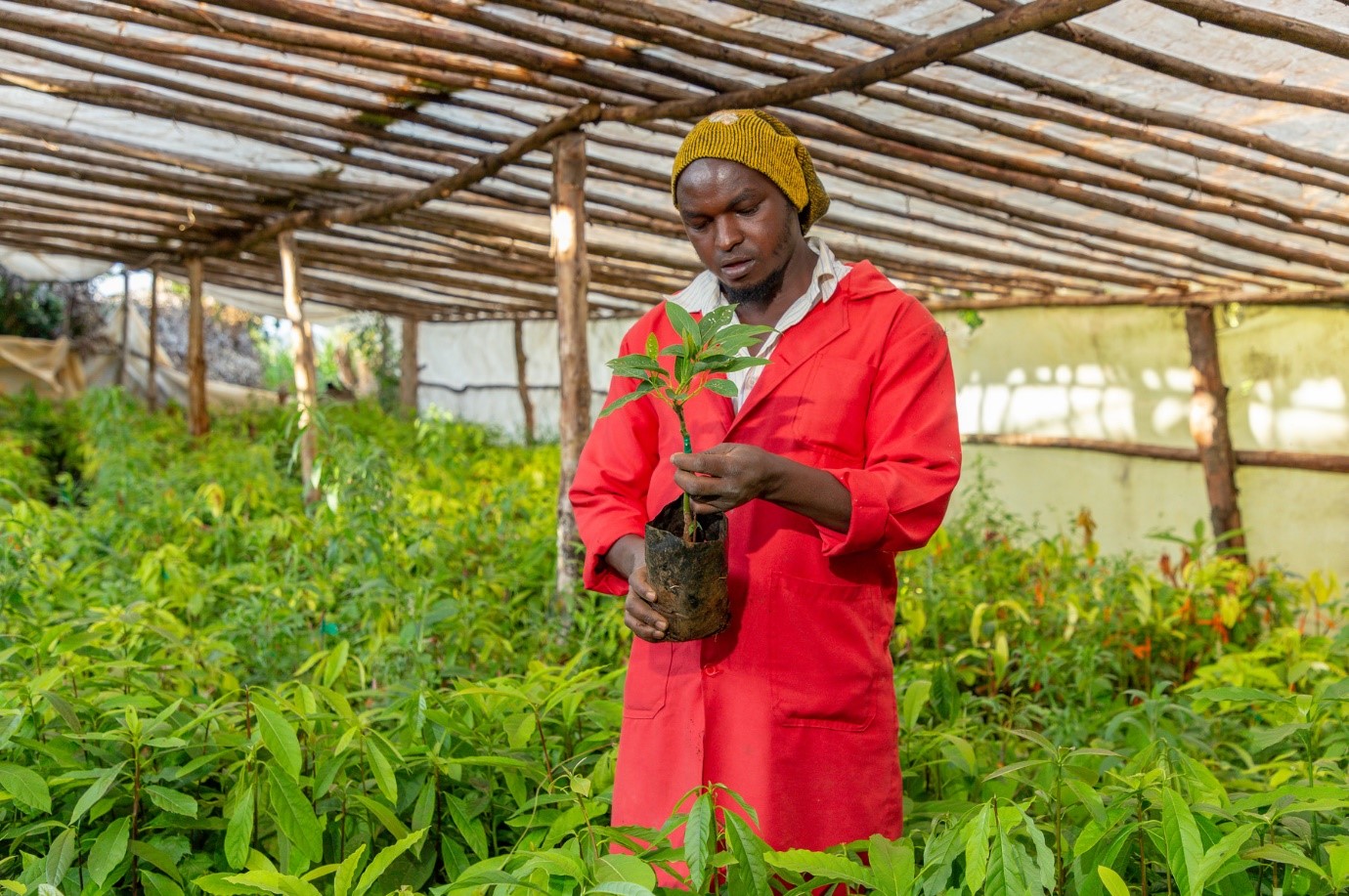
Under the NFERP, Moldova's forest cover is projected to increase from 13.8% to at least 17% over the next decade. This will involve planting new forests on 110,000 hectares and rehabilitating existing forests on 35,000 hectares of state, communal, and privately owned land. These restoration efforts will not only enhance landscapes and improve soil fertility but also create nearly 14,000 jobs in rural communities.
A recent study, "Identification of High Conservation Value Forests in the Republic of Moldova," conducted under the EU4Environment Programme, provides a comprehensive analysis of the forestry sector based on Forest Stewardship Council (FSC) principles. It reveals that nearly half of Moldova's total forest cover (175,500 hectares) consists of high conservation value forests (HCVFs), which are crucial for biodiversity conservation and long-term environmental benefits.
Enhancing Forest Management
Moldova has made significant progress in improving forest management through the recently amended Forest Code, developed with the World Bank's guidance. This new code emphasizes sustainability and creates legal pathways for landowners to manage existing forests and establish new woodlands. It classifies forests based on their protective functions and production purposes, moving away from a one-size-fits-all classification. This approach discourages harmful leasing practices and allocates more resources for restoration while granting additional rights to non-state landowners.
Local agro-forester Valeriu Angheluta from Flocoasa village in Cantemir District reflects on the importance of reforestation efforts: "In the past 10 years, our commune has been working on reforestation, and it has worked well. Young trees are now coming up. More forests mean better agricultural production, more water springs, and increased biodiversity for our needs."
Through collaboration among Moldova, the EU, and the World Bank, efforts are underway to protect the country's biodiversity and invest in its forests, paving the way for a more resilient and sustainable future for all.