Inside Liberia's fight to save pangolins from extinction
-
 Loading...
 - Chuki Deng
- 09 Mar 2022
- 389 Views
- 0 Like
- 0 Comment
The small wiry man, whose full name AFP is withholding, ignores a ban on hunting bushmeat and earns most of his cash catching pangolins or monkeys in the surrounding jungle.
In the dry season, Emmanuel waits for dark and then hikes into the jungle with his rifle and machete.
Pangolins, scale-covered insect-eating mammals that are typically the size of a full-grown cat, are mostly active at night, snuffling through deadwood for ants and termites.
The species is under increasing threat worldwide, but remains a delicacy in the impoverished West African country.
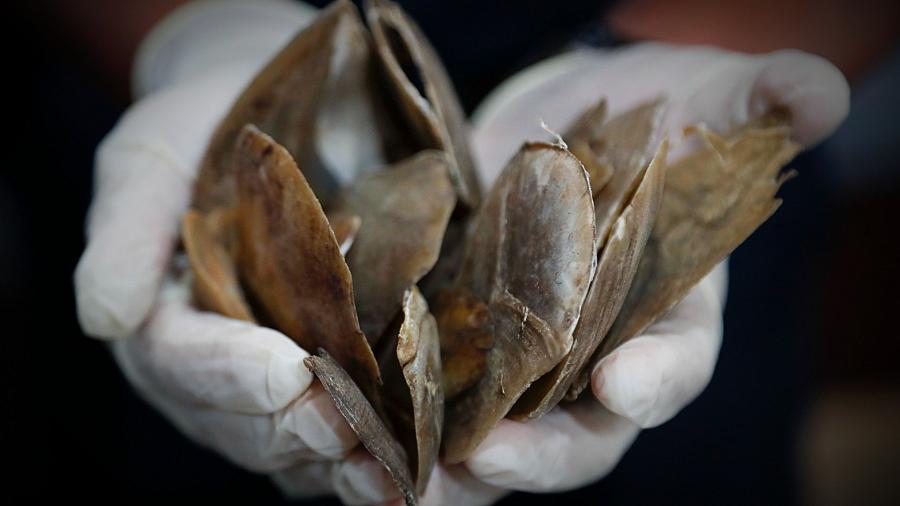
Their scales -- made of keratin, like human nails -- are also prized by consumers abroad for their supposed medicinal properties, fetching much-needed money.
"We kill it, we eat it," said Emmanuel, in a village in Gbarpolu County, five-hours drive north of the capital Monrovia along pitted dirt roads.
"Then the scales, we sell it," added the hunter. "There's no other option".
Believed to be the world's most trafficked animal, pangolins are only found in the wild in Asia and Africa, but their numbers are plummeting under pressure from poaching.
Asian pangolins once met the strong demand in East Asian countries such as China and Vietnam, where the animal's scales are used in traditional concoctions.
But Africa became the major source for the trade from 2013, according to the UN's drugs and crime office UNODC, in a shift likely prompted by falling pangolin numbers in Asia.
Prime target
Countries such as Liberia, as well as Nigeria, Cameroon and Guinea, are all origin markets.
Phillip Tem Dia, who works for Flora and Fauna International, a non-governmental organisation in Liberia, said pangolin killings "really, really increased" since the start of the scales trade.
Liberia is a prime target for traffickers. Over 40 percent of the country is covered in rainforest and governance is weak.
It is also still recovering from brutal civil wars from 1989 to 2003, and the 2014-16 Ebola crisis.
With conservationists sounding the alarm, Liberia's government has banned the hunting and sale of pangolins.
But it is battling a generations-old tradition of its impoverished citizens consuming the animal.
Patchy data hampers conservation efforts too. Pangolins are solitary and reclusive, and their number in the wild remains a mystery.
"There are huge gaps in our understanding," said Rebecca Drury, FFI head of wildlife trade.
Available evidence suggests a stark decline in numbers, however. Read More…