Home Upload Photo Upload Videos Write a Blog Analytics Messaging Streaming Create Adverts Creators Program
Bebuzee Afghanistan Bebuzee Albania Bebuzee Algeria Bebuzee Andorra Bebuzee Angola Bebuzee Antigua and Barbuda Bebuzee Argentina Bebuzee Armenia Bebuzee Australia Bebuzee Austria Bebuzee Azerbaijan Bebuzee Bahamas Bebuzee Bahrain Bebuzee Bangladesh Bebuzee Barbados Bebuzee Belarus Bebuzee Belgium Bebuzee Belize Bebuzee Benin Bebuzee Bhutan Bebuzee Bolivia Bebuzee Bosnia and Herzegovina Bebuzee Botswana Bebuzee Brazil Bebuzee Brunei Bebuzee Bulgaria Bebuzee Burkina Faso Bebuzee Burundi Bebuzee Cabo Verde Bebuzee Cambodia Bebuzee Cameroon Bebuzee Canada Bebuzee Central African Republic Bebuzee Chad Bebuzee Chile Bebuzee China Bebuzee Colombia Bebuzee Comoros Bebuzee Costa Rica Bebuzee Côte d'Ivoire Bebuzee Croatia Bebuzee Cuba Bebuzee Cyprus Bebuzee Czech Republic Bebuzee Democratic Republic of the Congo Bebuzee Denmark Bebuzee Djibouti Bebuzee Dominica Bebuzee Dominican Republic Bebuzee Ecuador Bebuzee Egypt Bebuzee El Salvador Bebuzee Equatorial Guinea Bebuzee Eritrea Bebuzee Estonia Bebuzee Eswatini Bebuzee Ethiopia Bebuzee Fiji Bebuzee Finland Bebuzee France Bebuzee Gabon Bebuzee Gambia Bebuzee Georgia Bebuzee Germany Bebuzee Ghana Bebuzee Greece Bebuzee Grenada Bebuzee Guatemala Bebuzee Guinea Bebuzee Guinea-Bissau Bebuzee Guyana Bebuzee Haiti Bebuzee Honduras Bebuzee Hong Kong Bebuzee Hungary Bebuzee Iceland Bebuzee India Bebuzee Indonesia Bebuzee Iran Bebuzee Iraq Bebuzee Ireland Bebuzee Israel Bebuzee Italy Bebuzee Jamaica Bebuzee Japan Bebuzee Jordan Bebuzee Kazakhstan Bebuzee Kenya Bebuzee Kiribati Bebuzee Kuwait Bebuzee Kyrgyzstan Bebuzee Laos Bebuzee Latvia Bebuzee Lebanon Bebuzee Lesotho Bebuzee Liberia Bebuzee Libya Bebuzee Liechtenstein Bebuzee Lithuania Bebuzee Luxembourg Bebuzee Madagascar Bebuzee Malawi Bebuzee Malaysia Bebuzee Maldives Bebuzee Mali Bebuzee Malta Bebuzee Marshall Islands Bebuzee Mauritania Bebuzee Mauritius Bebuzee Mexico Bebuzee Micronesia Bebuzee Moldova Bebuzee Monaco Bebuzee Mongolia Bebuzee Montenegro Bebuzee Morocco Bebuzee Mozambique Bebuzee Myanmar Bebuzee Namibia Bebuzee Nauru Bebuzee Nepal Bebuzee Netherlands Bebuzee New Zealand Bebuzee Nicaragua Bebuzee Niger Bebuzee Nigeria Bebuzee North Korea Bebuzee North Macedonia Bebuzee Norway Bebuzee Oman Bebuzee Pakistan Bebuzee Palau Bebuzee Panama Bebuzee Papua New Guinea Bebuzee Paraguay Bebuzee Peru Bebuzee Philippines Bebuzee Poland Bebuzee Portugal Bebuzee Qatar Bebuzee Republic of the Congo Bebuzee Romania Bebuzee Russia Bebuzee Rwanda Bebuzee Saint Kitts and Nevis Bebuzee Saint Lucia Bebuzee Saint Vincent and the Grenadines Bebuzee Samoa Bebuzee San Marino Bebuzee São Tomé and Príncipe Bebuzee Saudi Arabia Bebuzee Senegal Bebuzee Serbia Bebuzee Seychelles Bebuzee Sierra Leone Bebuzee Singapore Bebuzee Slovakia Bebuzee Slovenia Bebuzee Solomon Islands Bebuzee Somalia Bebuzee South Africa Bebuzee South Korea Bebuzee South Sudan Bebuzee Spain Bebuzee Sri Lanka Bebuzee Sudan Bebuzee Suriname Bebuzee Sweden Bebuzee Switzerland Bebuzee Syria Bebuzee Taiwan Bebuzee Tajikistan Bebuzee Tanzania Bebuzee Thailand Bebuzee Timor-Leste Bebuzee Togo Bebuzee Tonga Bebuzee Trinidad and Tobago Bebuzee Tunisia Bebuzee Turkey Bebuzee Turkmenistan Bebuzee Tuvalu Bebuzee Uganda Bebuzee Ukraine Bebuzee United Arab Emirates Bebuzee United Kingdom Bebuzee Uruguay Bebuzee Uzbekistan Bebuzee Vanuatu Bebuzee Venezuela Bebuzee Vietnam Bebuzee World Wide Bebuzee Yemen Bebuzee Zambia Bebuzee Zimbabwe
Blog Image

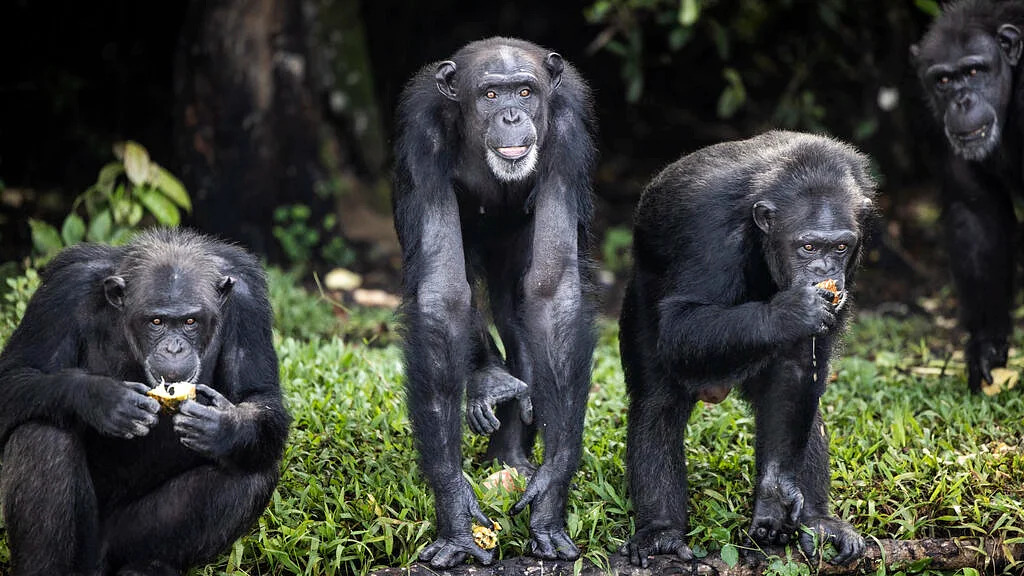
Scientists produce chimp genetic map to combat trafficking

Scientists have produced the first genetic map of chimpanzees in the wild, offering a detailed reconstruction of the endangered species' past migrations, and a new tool to combat illegal trafficking.

The genomic catalogue, which includes 828 individuals from across their vast African range, can now be used to link kidnapped chimpanzees -- or their meat and body parts -- to their place of origin within 100 kilometers.

The result of the years-long research project was published Wednesday in the journal Cell Genomics.

First author Claudia Fontsere of the Institute of Evolutionary Biology told AFP: "If we can know the genetic diversity of this endangered species, and its past demographic history...this can help design a better conservation plan."

DNA samples were collected from thousands of chimp droppings as part of the Pan African Program at 48 locations across central and western Africa.

Fecal samples are a useful way to study endangered species because they allow for extensive collection with minimal interference to the animals.

But they also present technical challenges because they contain only trace amounts of host DNA.

To overcome these constraints, the team applied a new DNA sequencing technique called "target capture" that was first used to study Neanderthals whose remains have been degraded over thousands of years.

This allowed them to discover 50 percent more variants on a particular chromosome -- number 21 -- than had previously been found, and from this infer past gene flow between chimpanzee populations, plugging gaps in scientific understanding.

Previously, only 59 whole chimpanzee genomes had been sequenced, mainly from captive animals with limited information about their origin.

Complex migrations

Just like humans, chimps have complex migration histories, and the new research allowed the scientists to peer back over the past 100,000 years at a new level of detail.

"There has been a lot of debate on whether the four chimpanzee subspecies truly diverged from one another or whether there has been persistent gene-flow between them," co-lead author Mimi Arandjelovic of the Max Planck Institute for Evolutionary Anthropology told AFP.

"We were able to show, using different analyses methods that look at very old and more recent variation, that the history is complex, much like that of our own species."

The team learned that the chimpanzee subspecies were separated in the past, but also experienced periods of genetic exchange -- helping explain why past studies that tried to reconstruct chimps' evolutionary history came to differing conclusions.

They found geographical barriers like lakes and rivers also created genetic barriers between subspecies as well as between communities, and discovered new insights about periods when chimps cross bred with bonobos.

Importantly, they confirmed there was a high level of connectivity between Western chimpanzees, underscoring the need to preserve connections between forests across Western Africa, said Arandjelovic.

Fontsere explained the genetic map could help pinpoint where illegally trafficked chimps had come from.

Though reintroducing the chimps to the wild is a fraught task because of the animals' complex social structure, research has shown they do better when placed in a sanctuary near their place of origin. Read More...


Previous Post

Scientists map brain network linked to addiction

Next Post

Scientists develop robotic 'sixth finger' for human augmentation

Comments