There are fewer wildfires in Canada but they are more powerful
-
 Loading...
 - Chenzira Ayman
- 26 May 2023
- 79 Views
- 0 Like
- 0 Comment
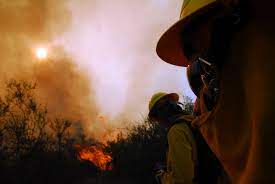
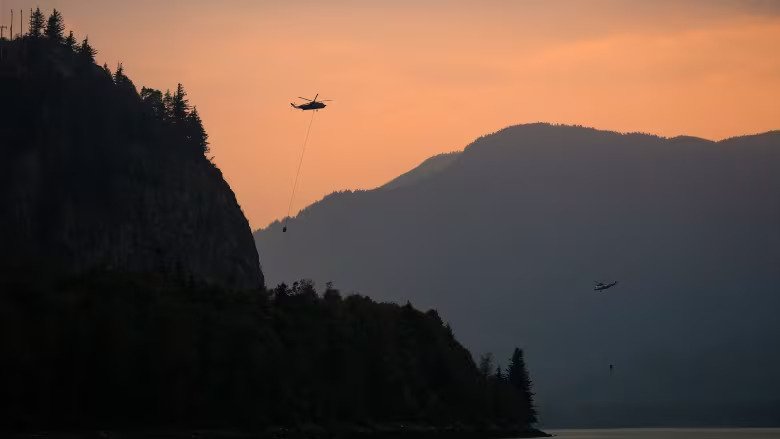
The springtime wildfires that have ravaged parts of Western Canada are indicative of a broader surge in more intense fires, according to experts. However, the factors contributing to this trend are more intricate than simply tallying the number of fires or the extent of the damage each year.
CBC News conducted an analysis of historical data to gain insights into the evolving nature of wildfires in Canada and the influence of climate change on these occurrences. Although Canada began collecting wildfire data in 1950, the reliability of data from the first decade is questionable.
Upon examination of the initial chart, it becomes evident that the annual number of wildfires has actually been decreasing since the 1980s. This decline can be attributed to enhanced fire prevention measures, resulting in a reduction in human-caused fires. Mike Flannigan, an esteemed wildfire expert from Thompson Rivers University in Kamloops, B.C., who also scrutinized the data, credits improved education and fire bans for this positive development.
Simultaneously, the fires that do break out nowadays tend to consume larger areas. A recent federal report reveals that the total land burned annually by wildland fires has more than doubled since the 1970s. The subsequent chart illustrates the number of hectares burned per decade.
Flannigan emphasizes that the trend is not a straightforward line; rather, it follows a fluctuating trajectory. Variability from year to year is significant due to weather conditions and ignition sources. A wildfire's recipe consists of three ingredients: ignition (either from lightning or human activities), fuel (such as dried grasses, shrubs, trees, and other vegetation), and dry weather. These three elements, along with the climate, are undergoing changes.
In Canada, approximately half of all fires are currently ignited by lightning. However, lightning strikes are on the rise and expected to increase further due to climate change. Moreover, vegetation is more prone to drying out and becoming highly flammable as a consequence of climate change.
"As temperatures rise, the atmosphere's ability to extract moisture from the fuel increases exponentially," Flannigan explains. "Unless increased rainfall compensates for this drying effect caused by warming, the fuels become drier. This is a crucial aspect of the fire landscape."
Furthermore, scorching and arid weather, particularly on windy days, contributes to the spread of wildfires. A notable example is the devastating fire that struck Fort McMurray, Alta., in 2016, which coincided with an exceptionally hot and dry weather system settling over northern Alberta in May.
Conversely, cooler conditions prevailed in the Northwest Territories between 2000 and 2009, resulting in a smaller overall burned area, according to Flannigan.
Generally, fires are occurring earlier in the year due to an increasingly early spring thaw and extending later into the year. Flannigan's research, published in 2019, concluded that Canada's fire season has been starting approximately one week earlier and ending one week later on average.
The proliferation of major fires has also led to an increase in evacuations, driven by the expanding size of the fires and the growing population at risk. The subsequent chart illustrates the surge in the number of people displaced by fires. Kelsey Copes-Gerbitz, a postdoctoral fire researcher at the University of British Columbia, also reviewed the data and highlights that such fires can pose a threat to critical infrastructure, including power lines and major industrial sites such as the oilsands.
Furthermore, experts employ the term "fire disasters" to denote exceptionally significant fires. To be categorized as a fire disaster, an incident must meet at least one of the following conditions: result in the death of ten or more people, cause injuries, relocation, infections, displacement, or homelessness for 100 or more people, prompt authorities to appeal for national or international assistance, possess historical significance, or inflict significant damage on a community. The occurrence of fire disasters has increased, with over three times as many recorded between 2010 and 2019 compared to the three preceding decades.
Copes-Gerbitz notes that the timeframe covered by the data corresponds to a period when Canada predominantly aimed to suppress all wildfires. However, she stresses that "climate change is pushing us to a point where we can no longer successfully suppress all fires with certainty."
Experts propose improved fire management strategies, such as allowing some fires to burn and increasing the number of prescribed burns, including Indigenous cultural burns, to mitigate the occurrence of uncontrollable large-scale fires. Emphasizing fire safety measures at the community level and implementing better oversight regarding tree species selection (as certain species exhibit greater resistance to, or resilience from, fires) would also contribute to mitigating the extent of fire damage.
"Adopting such an approach will assist in reducing the area susceptible to fire spread," affirms Copes-Gerbitz.