Home Upload Photo Upload Videos Write a Blog Analytics Messaging Streaming Create Adverts Creators Program
Bebuzee Afghanistan Bebuzee Albania Bebuzee Algeria Bebuzee Andorra Bebuzee Angola Bebuzee Antigua and Barbuda Bebuzee Argentina Bebuzee Armenia Bebuzee Australia Bebuzee Austria Bebuzee Azerbaijan Bebuzee Bahamas Bebuzee Bahrain Bebuzee Bangladesh Bebuzee Barbados Bebuzee Belarus Bebuzee Belgium Bebuzee Belize Bebuzee Benin Bebuzee Bhutan Bebuzee Bolivia Bebuzee Bosnia and Herzegovina Bebuzee Botswana Bebuzee Brazil Bebuzee Brunei Bebuzee Bulgaria Bebuzee Burkina Faso Bebuzee Burundi Bebuzee Cabo Verde Bebuzee Cambodia Bebuzee Cameroon Bebuzee Canada Bebuzee Central African Republic Bebuzee Chad Bebuzee Chile Bebuzee China Bebuzee Colombia Bebuzee Comoros Bebuzee Costa Rica Bebuzee Côte d'Ivoire Bebuzee Croatia Bebuzee Cuba Bebuzee Cyprus Bebuzee Czech Republic Bebuzee Democratic Republic of the Congo Bebuzee Denmark Bebuzee Djibouti Bebuzee Dominica Bebuzee Dominican Republic Bebuzee Ecuador Bebuzee Egypt Bebuzee El Salvador Bebuzee Equatorial Guinea Bebuzee Eritrea Bebuzee Estonia Bebuzee Eswatini Bebuzee Ethiopia Bebuzee Fiji Bebuzee Finland Bebuzee France Bebuzee Gabon Bebuzee Gambia Bebuzee Georgia Bebuzee Germany Bebuzee Ghana Bebuzee Greece Bebuzee Grenada Bebuzee Guatemala Bebuzee Guinea Bebuzee Guinea-Bissau Bebuzee Guyana Bebuzee Haiti Bebuzee Honduras Bebuzee Hong Kong Bebuzee Hungary Bebuzee Iceland Bebuzee India Bebuzee Indonesia Bebuzee Iran Bebuzee Iraq Bebuzee Ireland Bebuzee Israel Bebuzee Italy Bebuzee Jamaica Bebuzee Japan Bebuzee Jordan Bebuzee Kazakhstan Bebuzee Kenya Bebuzee Kiribati Bebuzee Kuwait Bebuzee Kyrgyzstan Bebuzee Laos Bebuzee Latvia Bebuzee Lebanon Bebuzee Lesotho Bebuzee Liberia Bebuzee Libya Bebuzee Liechtenstein Bebuzee Lithuania Bebuzee Luxembourg Bebuzee Madagascar Bebuzee Malawi Bebuzee Malaysia Bebuzee Maldives Bebuzee Mali Bebuzee Malta Bebuzee Marshall Islands Bebuzee Mauritania Bebuzee Mauritius Bebuzee Mexico Bebuzee Micronesia Bebuzee Moldova Bebuzee Monaco Bebuzee Mongolia Bebuzee Montenegro Bebuzee Morocco Bebuzee Mozambique Bebuzee Myanmar Bebuzee Namibia Bebuzee Nauru Bebuzee Nepal Bebuzee Netherlands Bebuzee New Zealand Bebuzee Nicaragua Bebuzee Niger Bebuzee Nigeria Bebuzee North Korea Bebuzee North Macedonia Bebuzee Norway Bebuzee Oman Bebuzee Pakistan Bebuzee Palau Bebuzee Panama Bebuzee Papua New Guinea Bebuzee Paraguay Bebuzee Peru Bebuzee Philippines Bebuzee Poland Bebuzee Portugal Bebuzee Qatar Bebuzee Republic of the Congo Bebuzee Romania Bebuzee Russia Bebuzee Rwanda Bebuzee Saint Kitts and Nevis Bebuzee Saint Lucia Bebuzee Saint Vincent and the Grenadines Bebuzee Samoa Bebuzee San Marino Bebuzee São Tomé and Príncipe Bebuzee Saudi Arabia Bebuzee Senegal Bebuzee Serbia Bebuzee Seychelles Bebuzee Sierra Leone Bebuzee Singapore Bebuzee Slovakia Bebuzee Slovenia Bebuzee Solomon Islands Bebuzee Somalia Bebuzee South Africa Bebuzee South Korea Bebuzee South Sudan Bebuzee Spain Bebuzee Sri Lanka Bebuzee Sudan Bebuzee Suriname Bebuzee Sweden Bebuzee Switzerland Bebuzee Syria Bebuzee Taiwan Bebuzee Tajikistan Bebuzee Tanzania Bebuzee Thailand Bebuzee Timor-Leste Bebuzee Togo Bebuzee Tonga Bebuzee Trinidad and Tobago Bebuzee Tunisia Bebuzee Turkey Bebuzee Turkmenistan Bebuzee Tuvalu Bebuzee Uganda Bebuzee Ukraine Bebuzee United Arab Emirates Bebuzee United Kingdom Bebuzee Uruguay Bebuzee Uzbekistan Bebuzee Vanuatu Bebuzee Venezuela Bebuzee Vietnam Bebuzee World Wide Bebuzee Yemen Bebuzee Zambia Bebuzee Zimbabwe
Blog Image

International Team Led by Slovak Scientist Sheds Light on Ancient Climate Enigma

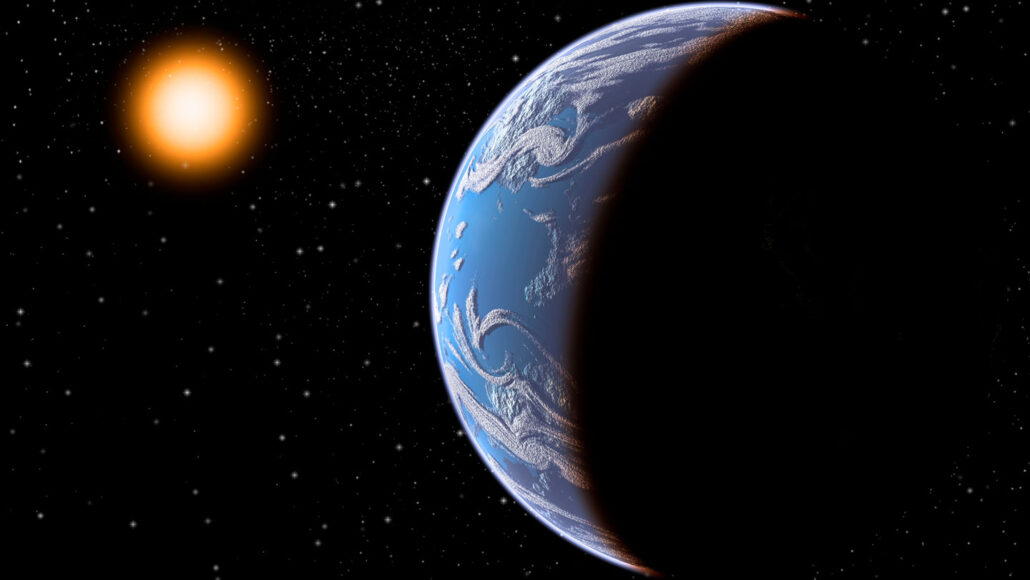
An international research team, spearheaded by Slovak scientist Hana Jurikova from the University of St Andrews in Scotland, has made significant strides in understanding the climatic conditions of the Late Palaeozoic Ice Age, which began around 370 million years ago. This period, characterized by extensive glaciation, lasted for approximately 100 million years and has long posed questions regarding the role of carbon dioxide (CO2) in climate transitions.

While the influence of CO2 on current climate change is well-documented, its impact on historical climate shifts, particularly during the Late Palaeozoic Ice Age, remains less understood. The evidence for this ice age is primarily found in glacial strata, which are notoriously difficult to date and often present an incomplete and fragmented record. This has complicated efforts to reconstruct past CO2 levels and understand their relationship with climate changes.

Jurikova and her team have developed a novel approach to investigate the role of CO2 during this ancient ice age. Their research marks the first time that the influence of CO2 on the climatic conditions of the Late Palaeozoic has been systematically examined, providing new insights into this enigmatic period.

During the Late Palaeozoic Ice Age, the Earth was undergoing significant geological transformations. The collision of the southern supercontinent Gondwana with the northern landmass Laurasia eventually led to the formation of the supercontinent Pangea around 335 million years ago. This tectonic activity resulted in the Variscan orogeny, a major mountain-building event whose remnants can still be observed today, such as in the Pyrenees.

Jurikova explains that while the world during this ice age may have appeared vastly different from today, its climatic conditions were not as drastically dissimilar as previously thought. High and mid-latitude regions were largely covered by ice, significantly reducing habitable areas to the tropics. In these humid tropical zones, lush "coal rainforests" flourished, populated by tall tree-ferns and other vegetation. These ancient forests would later contribute to the formation of much of the Earth's coal reserves.

The findings from Jurikova's team not only enhance our understanding of the Late Palaeozoic Ice Age but also provide valuable context for current climate discussions. By uncovering the historical role of CO2 in climate transitions, the research offers insights into how similar processes may be influencing today's climate dynamics.

As the team continues to refine their methods and gather more data, their work promises to shed further light on the complex interplay between atmospheric CO2 levels and global climate patterns throughout Earth's history.

Hana Jurikova's leadership in this international research effort highlights the importance of interdisciplinary collaboration in addressing complex scientific questions. By unraveling the mysteries of the Late Palaeozoic Ice Age, the team not only contributes to our understanding of ancient climates but also informs contemporary discussions on climate change and its implications for the future.


Previous Post

Hypnosis Has Measurable Effects on the Brain, Says Zurich Study

Next Post

Bacterial ‘Cables’ Form a Living Gel in Mucus

Comments