Bacterial ‘Cables’ Form a Living Gel in Mucus
-
 Loading...
 - Aidan Moran
- 18 Feb 2025
- 47 Views
- 0 Like
- 0 Comment
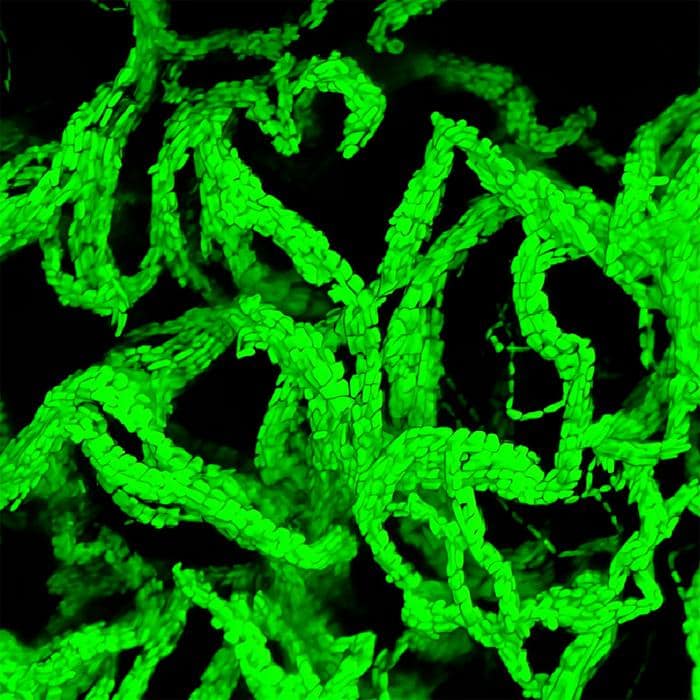
Recent research has unveiled a fascinating phenomenon in the microbial world: certain bacteria can form intricate structures resembling cables within mucus, creating a living gel that plays a significant role in various biological processes. This discovery sheds light on the complex interactions between bacteria and their environments, particularly in mucosal tissues.
The Formation of Bacterial Cables
These bacterial cables are formed by the aggregation of microbial cells that secrete extracellular polymeric substances (EPS). EPS are complex mixtures of polysaccharides, proteins, and nucleic acids that bacteria produce to protect themselves and facilitate communication with one another. When bacteria encounter mucus, a viscous substance that lines various body cavities, they can utilize the mucus as a scaffold to build these cable-like structures.
The formation of these cables is not merely a structural adaptation; it serves several critical functions. The cables enhance the bacteria's ability to adhere to surfaces, resist shear forces, and create a more stable environment for microbial communities. This living gel can also trap nutrients and other beneficial compounds, promoting bacterial growth and survival.
Implications for Health and Disease
The presence of bacterial cables in mucus has significant implications for human health. Mucosal surfaces, such as those found in the respiratory and gastrointestinal tracts, are home to diverse microbial communities that play essential roles in maintaining health. However, the formation of these bacterial structures can also contribute to disease processes.
For instance, in chronic infections, such as those caused by Pseudomonas aeruginosa in cystic fibrosis patients, the formation of biofilms—complex communities of bacteria encased in EPS—can lead to persistent infections that are difficult to treat. Understanding how bacterial cables form and function within mucus could provide insights into developing new therapeutic strategies to disrupt these biofilms and enhance treatment efficacy.
The Role of Bacterial Cables in Ecosystems
Beyond human health, bacterial cables also play a crucial role in various ecosystems. In natural environments, such as soil and aquatic systems, these structures can influence nutrient cycling, organic matter decomposition, and the overall stability of microbial communities. The ability of bacteria to form living gels in mucus-like environments may enhance their resilience and adaptability in fluctuating conditions.
The discovery of bacterial cables forming a living gel in mucus highlights the intricate relationships between microorganisms and their environments. As researchers continue to explore these phenomena, they may uncover new strategies for managing bacterial infections and enhancing our understanding of microbial ecology. This research not only deepens our knowledge of bacterial behavior but also emphasizes the importance of microbial communities in both health and environmental sustainability.