The evolution of mucus: How did we get all this slime?
-
 Loading...
 - Fanya Yougouda
- 29 Aug 2022
- 60 Views
- 0 Like
- 0 Comment
From the slime coating slugs to the saliva in our mouths, many slippery bodily fluids contain mucus. So how did this marvel of biology evolve?
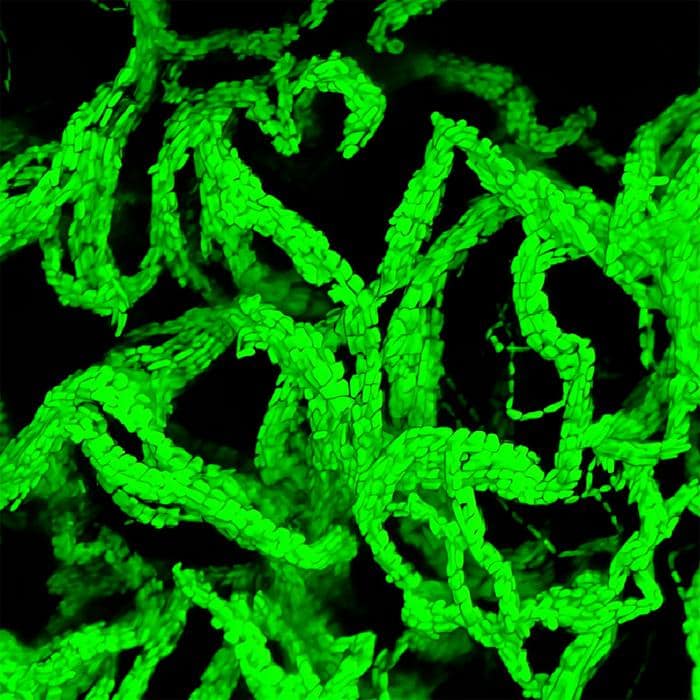
In mammals, the answer is many times, and often in a surprising way, according to a new study on proteins called mucins. These molecules have a variety of functions, but as a family, they are known as components of mucus, where they contribute to the substance's gooey consistency.
Through a comparison of mucin genes in 49 mammal species, scientists identified 15 instances in which new mucins appear to have evolved through an additive process that transformed a non-mucin protein into a mucin.
The scientists propose that each of these "mucinization" events began with a protein that wasn't a mucin. At some point, evolution tacked a new section onto this non-mucin base: one consisting of a short chain of building blocks called amino acids that are decorated with sugar molecules. Over time, this new region got duplicated, with multiple copies added on to elongate the protein even further, making it a mucin. Read More...