Home Upload Photo Upload Videos Write a Blog Analytics Messaging Streaming Create Adverts Creators Program
Bebuzee Afghanistan Bebuzee Albania Bebuzee Algeria Bebuzee Andorra Bebuzee Angola Bebuzee Antigua and Barbuda Bebuzee Argentina Bebuzee Armenia Bebuzee Australia Bebuzee Austria Bebuzee Azerbaijan Bebuzee Bahamas Bebuzee Bahrain Bebuzee Bangladesh Bebuzee Barbados Bebuzee Belarus Bebuzee Belgium Bebuzee Belize Bebuzee Benin Bebuzee Bhutan Bebuzee Bolivia Bebuzee Bosnia and Herzegovina Bebuzee Botswana Bebuzee Brazil Bebuzee Brunei Bebuzee Bulgaria Bebuzee Burkina Faso Bebuzee Burundi Bebuzee Cabo Verde Bebuzee Cambodia Bebuzee Cameroon Bebuzee Canada Bebuzee Central African Republic Bebuzee Chad Bebuzee Chile Bebuzee China Bebuzee Colombia Bebuzee Comoros Bebuzee Costa Rica Bebuzee Côte d'Ivoire Bebuzee Croatia Bebuzee Cuba Bebuzee Cyprus Bebuzee Czech Republic Bebuzee Democratic Republic of the Congo Bebuzee Denmark Bebuzee Djibouti Bebuzee Dominica Bebuzee Dominican Republic Bebuzee Ecuador Bebuzee Egypt Bebuzee El Salvador Bebuzee Equatorial Guinea Bebuzee Eritrea Bebuzee Estonia Bebuzee Eswatini Bebuzee Ethiopia Bebuzee Fiji Bebuzee Finland Bebuzee France Bebuzee Gabon Bebuzee Gambia Bebuzee Georgia Bebuzee Germany Bebuzee Ghana Bebuzee Greece Bebuzee Grenada Bebuzee Guatemala Bebuzee Guinea Bebuzee Guinea-Bissau Bebuzee Guyana Bebuzee Haiti Bebuzee Honduras Bebuzee Hong Kong Bebuzee Hungary Bebuzee Iceland Bebuzee India Bebuzee Indonesia Bebuzee Iran Bebuzee Iraq Bebuzee Ireland Bebuzee Israel Bebuzee Italy Bebuzee Jamaica Bebuzee Japan Bebuzee Jordan Bebuzee Kazakhstan Bebuzee Kenya Bebuzee Kiribati Bebuzee Kuwait Bebuzee Kyrgyzstan Bebuzee Laos Bebuzee Latvia Bebuzee Lebanon Bebuzee Lesotho Bebuzee Liberia Bebuzee Libya Bebuzee Liechtenstein Bebuzee Lithuania Bebuzee Luxembourg Bebuzee Madagascar Bebuzee Malawi Bebuzee Malaysia Bebuzee Maldives Bebuzee Mali Bebuzee Malta Bebuzee Marshall Islands Bebuzee Mauritania Bebuzee Mauritius Bebuzee Mexico Bebuzee Micronesia Bebuzee Moldova Bebuzee Monaco Bebuzee Mongolia Bebuzee Montenegro Bebuzee Morocco Bebuzee Mozambique Bebuzee Myanmar Bebuzee Namibia Bebuzee Nauru Bebuzee Nepal Bebuzee Netherlands Bebuzee New Zealand Bebuzee Nicaragua Bebuzee Niger Bebuzee Nigeria Bebuzee North Korea Bebuzee North Macedonia Bebuzee Norway Bebuzee Oman Bebuzee Pakistan Bebuzee Palau Bebuzee Panama Bebuzee Papua New Guinea Bebuzee Paraguay Bebuzee Peru Bebuzee Philippines Bebuzee Poland Bebuzee Portugal Bebuzee Qatar Bebuzee Republic of the Congo Bebuzee Romania Bebuzee Russia Bebuzee Rwanda Bebuzee Saint Kitts and Nevis Bebuzee Saint Lucia Bebuzee Saint Vincent and the Grenadines Bebuzee Samoa Bebuzee San Marino Bebuzee São Tomé and Príncipe Bebuzee Saudi Arabia Bebuzee Senegal Bebuzee Serbia Bebuzee Seychelles Bebuzee Sierra Leone Bebuzee Singapore Bebuzee Slovakia Bebuzee Slovenia Bebuzee Solomon Islands Bebuzee Somalia Bebuzee South Africa Bebuzee South Korea Bebuzee South Sudan Bebuzee Spain Bebuzee Sri Lanka Bebuzee Sudan Bebuzee Suriname Bebuzee Sweden Bebuzee Switzerland Bebuzee Syria Bebuzee Taiwan Bebuzee Tajikistan Bebuzee Tanzania Bebuzee Thailand Bebuzee Timor-Leste Bebuzee Togo Bebuzee Tonga Bebuzee Trinidad and Tobago Bebuzee Tunisia Bebuzee Turkey Bebuzee Turkmenistan Bebuzee Tuvalu Bebuzee Uganda Bebuzee Ukraine Bebuzee United Arab Emirates Bebuzee United Kingdom Bebuzee Uruguay Bebuzee Uzbekistan Bebuzee Vanuatu Bebuzee Venezuela Bebuzee Vietnam Bebuzee World Wide Bebuzee Yemen Bebuzee Zambia Bebuzee Zimbabwe
Blog Image

Researchers Present Better Ways to Detect Ethylene Gas

The simplest alkene, ethylene, is composed of two double-bonded carbon atoms and four hydrogen atoms.

Background

The simplest alkene, ethylene, is composed of two double-bonded carbon atoms and four hydrogen atoms. With an ambient air concentration of around 2 parts per billion (ppb), it can readily diffuse in the air.

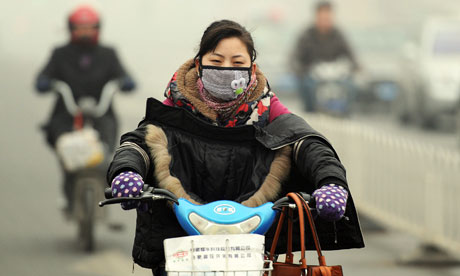
One of the main precursors for rapid ozone generation in metropolitan settings is ethylene, which is formed in atmospheric chemistry from industrial emissions and vehicle exhausts. Thus, ethylene emissions that are not under control pose a major risk to human health by raising the level of ozone in the troposphere or at ground level. Exogenous ethylene can also metabolically transform into the mutagenic and cancer-causing compound ethylene oxide in the human body.

Endogenous ethylene can result in systemic development in the liver and/or bacterial generation of poisonous ethylene oxide, posing potential health hazards. It is therefore vitally necessary for the horticultural, agricultural, and healthcare industries to design and manufacture very selective, sensitive, and highly stable gas sensors that can conduct the real-time detection of sub-ppm or ppb concentrations of ethylene gas molecules. The concentration of a particular target gas in a complex gas combination can be detected using improved nanostructured sensing materials, according to reports. Although the tiny size, lack of polar chemical functionality, and limited physiochemical reactivity of ethylene gas make its detection at low concentrations difficult, nondestructive methods and chemical reaction techniques are currently being extensively and widely researched to accomplish this goal.

About the Study

In this study, the authors provided a thorough review of the most advanced ethylene gas detection technologies, ranging from gas chromatographic systems with preconcentrators to Fourier transform infrared technology (FTIR), photoacoustic and surface acoustic wave sensors, photonic crystal fiber-enhanced Raman spectroscopy, printable optically colorimetric sensor arrays, and a wide variety of nanostructured chemiresistive gas sensors including the potentiometric and amperometric-type field effect transistor-, carbon nanotube- and metal oxide-based sensors.

The team proposed a potential roadmap for the advancement of ethylene detection in the near future after a comprehensive discussion of the nanofabrication processes, operating circumstances, and sensing performance of various sensors/technologies.

The researchers examined and discussed recent developments in cutting-edge low-concentration ethylene gas detection technologies, their fabrication methods, operational settings, sensing mechanisms, performances, and corresponding limits of detection. A potential road map for the future development of highly sensitive and selective ethylene gas-sensing technologies was also suggested. Read More...

Previous Post

The evolution of mucus: How did we get all this slime?

Next Post

The observatory in the Colca Canyon that will be able to detect the "invisible universe"

Comments