Discovery of Two New Forms of Salt Water Could Rewrite Fundamental Chemistry
-
 Loading...
 - alfie finley
- 24 Feb 2023
- 69 Views
- 0 Like
- 0 Comment
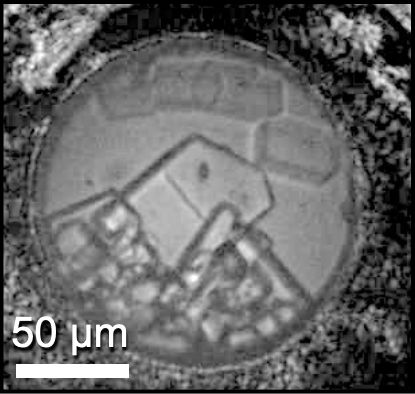
Two newly discovered forms of frozen salt water could help scientists resolve a mystery concerning the Solar System's ice-encrusted moons.
When subjected to higher pressures and lower temperatures than can be found in nature on Earth, the atoms in hydrated sodium chloride – more commonly known as salt water ice – arranged themselves in never-before-identified structures that have a much higher proportion of water molecules than salt.
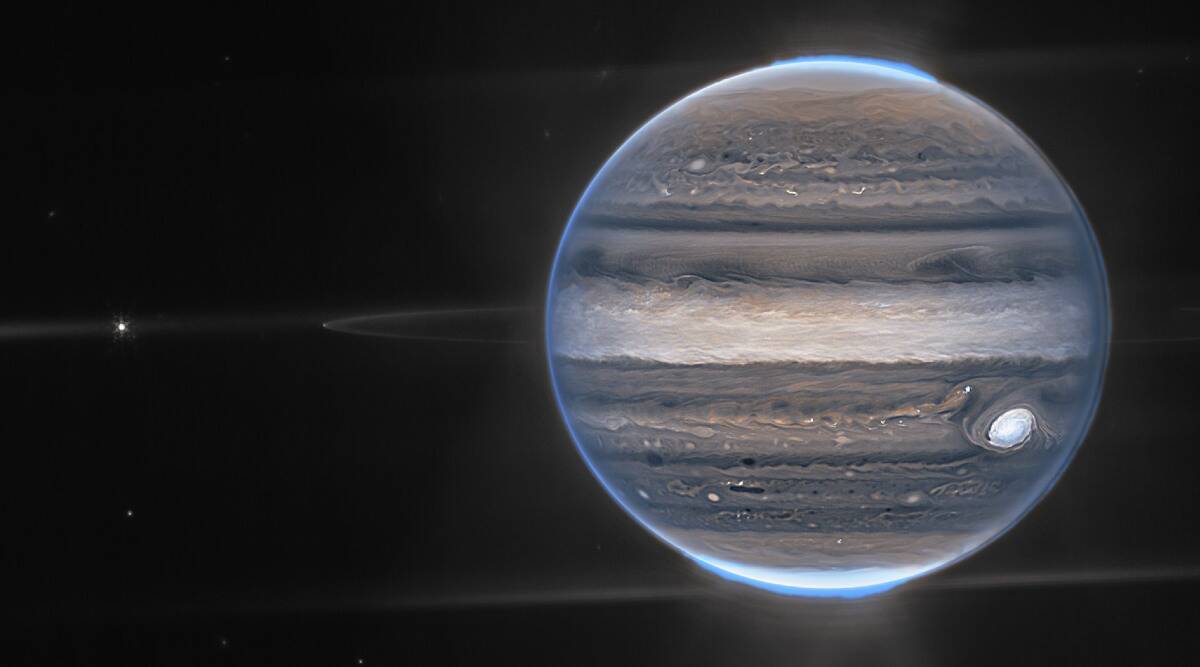
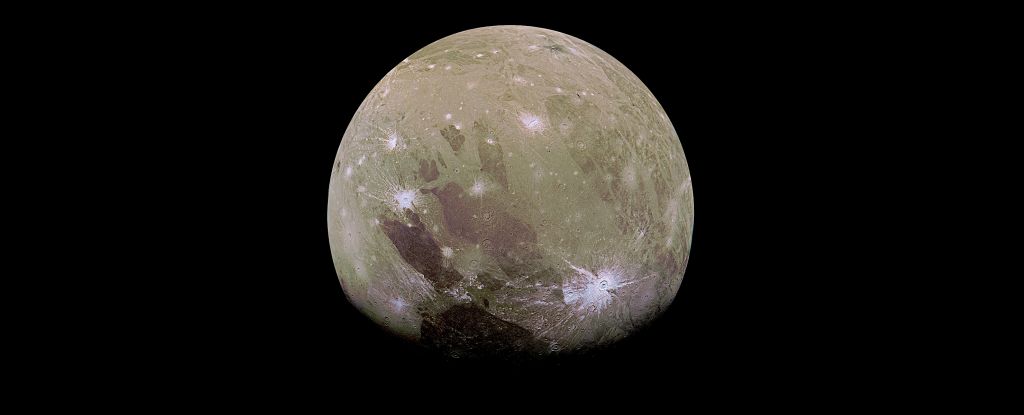
This could explain the strange chemical signature of a substance on the surface of Jupiter's moon Europa, which seems more watery than scientists expect.
"It's rare nowadays to have fundamental discoveries in science," says Earth and space scientist Baptiste Journaux of the University of Washington.
"Salt and water are very well known at Earth conditions. But beyond that, we're totally in the dark. And now we have these planetary objects that probably have compounds that are very familiar to us, but in very exotic conditions. We have to redo all the fundamental mineralogical science that people did in the 1800s, but at high pressure and low temperature. It is an exciting time."
Salt and water are both abundant on our home world. When combined, molecules of salt dissolve throughout those of water to create a solution. The presence of the salt lowers the freezing point of the solution compared to unsalted water, but as the temperature continues to drop under typical Earth atmospheric conditions, it will eventually freeze.