New Catalytic Strategies Boost Alkene Synthesis
-
 Loading...
 - Thomas Bourgeois
- 08 Nov 2024
- 44 Views
- 0 Like
- 0 Comment
Alkenes are essential building blocks in organic chemistry, widely used in pharmaceuticals, agrochemicals, and materials science. Recent advances in catalytic strategies have significantly improved alkene synthesis, allowing chemists to create these compounds with greater efficiency, precision, and sustainability. Here’s an overview of the latest catalytic innovations boosting alkene synthesis and their potential applications.
Alkenes, characterized by their carbon-carbon double bond, serve as versatile intermediates in organic synthesis. Traditional methods for alkene formation, such as elimination reactions or Wittig reactions, have limitations in terms of functional group tolerance, stereoselectivity, and environmental impact. Novel catalytic approaches aim to overcome these challenges, offering enhanced selectivity, milder reaction conditions, and the ability to form alkenes with specific geometries.
Recent catalytic strategies have introduced innovative ways to synthesize alkenes with high efficiency. Some of the most promising approaches include:
1. Transition Metal Catalysis
Transition metal catalysts, such as palladium, nickel, and ruthenium, have proven highly effective in various alkene-forming reactions. These metals facilitate C–H activation, cross-coupling, and olefin metathesis, expanding the scope of alkene synthesis:
- Cross-Coupling Reactions: Palladium-catalyzed cross-coupling, such as Suzuki or Heck coupling, enables the selective formation of alkenes from aryl or alkyl halides and alkenes.
- Olefin Metathesis: Ruthenium-based catalysts enable olefin metathesis, a powerful method for synthesizing complex alkenes by redistributing alkene fragments. This method is highly efficient for creating functionalized alkenes.
2. Photocatalysis
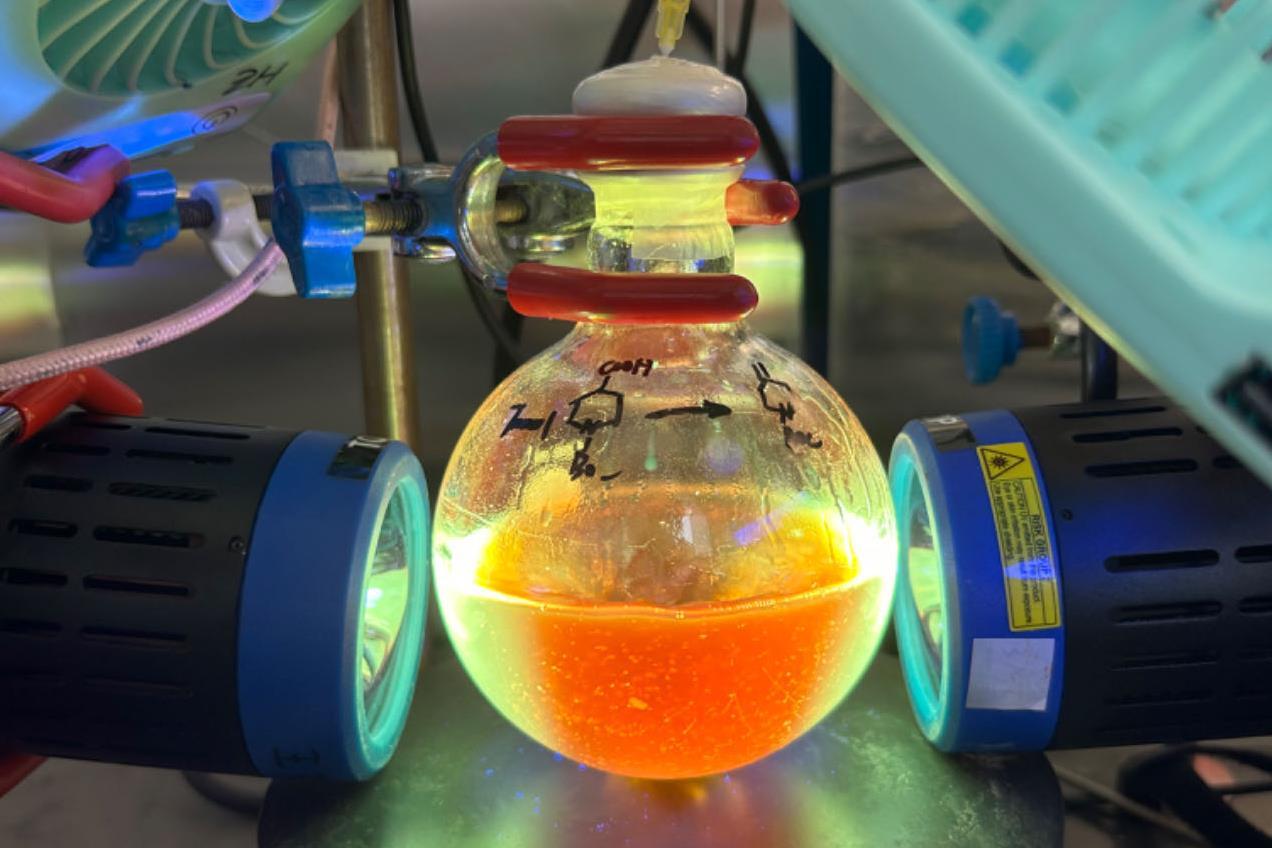
Photocatalytic strategies leverage light energy to drive alkene synthesis under mild conditions. By using visible light and photocatalysts (such as Iridium or organic dye catalysts), researchers can perform highly selective radical reactions to form alkenes:
- E/Z Isomerization: Photocatalysts enable the selective transformation of E/Z alkenes, providing control over stereochemistry without high temperatures or harsh reagents.
- Reductive Coupling: Photoredox catalysts can activate electron-poor olefins for reductive coupling, forming alkenes with specific substitution patterns.
3. Electrocatalysis
Electrocatalysis has gained traction as an environmentally friendly approach to alkene synthesis, using electricity as a driving force rather than chemical reagents. This technique offers fine control over reaction conditions, making it ideal for creating alkenes with minimal byproducts.
- Electrochemical Olefin Coupling: By applying a current, electrochemical methods can couple alkenes without the need for added oxidants or reducing agents, making them sustainable and scalable.
- Oxidative and Reductive Pathways: Electrocatalysis can facilitate both oxidative and reductive couplings, broadening the types of alkenes that can be synthesized in a green manner.
4. Organocatalysis
Organocatalysts, such as amine-based catalysts or N-heterocyclic carbenes (NHCs), have provided new avenues for synthesizing alkenes through asymmetric catalysis and enamine or iminium ion intermediates:
- Asymmetric Hydroalkylation: Organocatalysts enable enantioselective hydroalkylation, forming alkenes with precise stereocontrol, a valuable approach in drug synthesis.
- Aldol and Michael Additions: Organocatalytic aldol and Michael additions are useful for alkene formation with functional group diversity.
Applications of New Alkene Synthesis Methods
The advancements in catalytic alkene synthesis have opened up new possibilities across multiple fields:
i. Pharmaceuticals: Alkenes are crucial intermediates in the synthesis of various drug compounds. The ability to precisely control alkene geometry and functionalization improves drug efficacy and selectivity.
ii. Agrochemicals: Improved catalytic processes enable the efficient production of herbicides, pesticides, and plant growth regulators, enhancing crop protection.
iii. Polymer and Materials Science: Alkenes serve as monomers in the production of polymers and specialty materials, and efficient synthesis techniques support the creation of high-performance materials with tailored properties.
iv. Green Chemistry: By reducing the need for hazardous reagents and minimizing waste, modern catalytic strategies align with sustainable chemistry principles, making alkene synthesis more eco-friendly.
New catalytic strategies in alkene synthesis mark significant progress in organic chemistry. Through transition metal catalysis, photocatalysis, electrocatalysis, and organocatalysis, chemists can now produce alkenes with unprecedented efficiency, stereocontrol, and sustainability. As these techniques continue to evolve, they promise to play an essential role in various applications, from pharmaceuticals to materials science, shaping the future of synthetic chemistry.