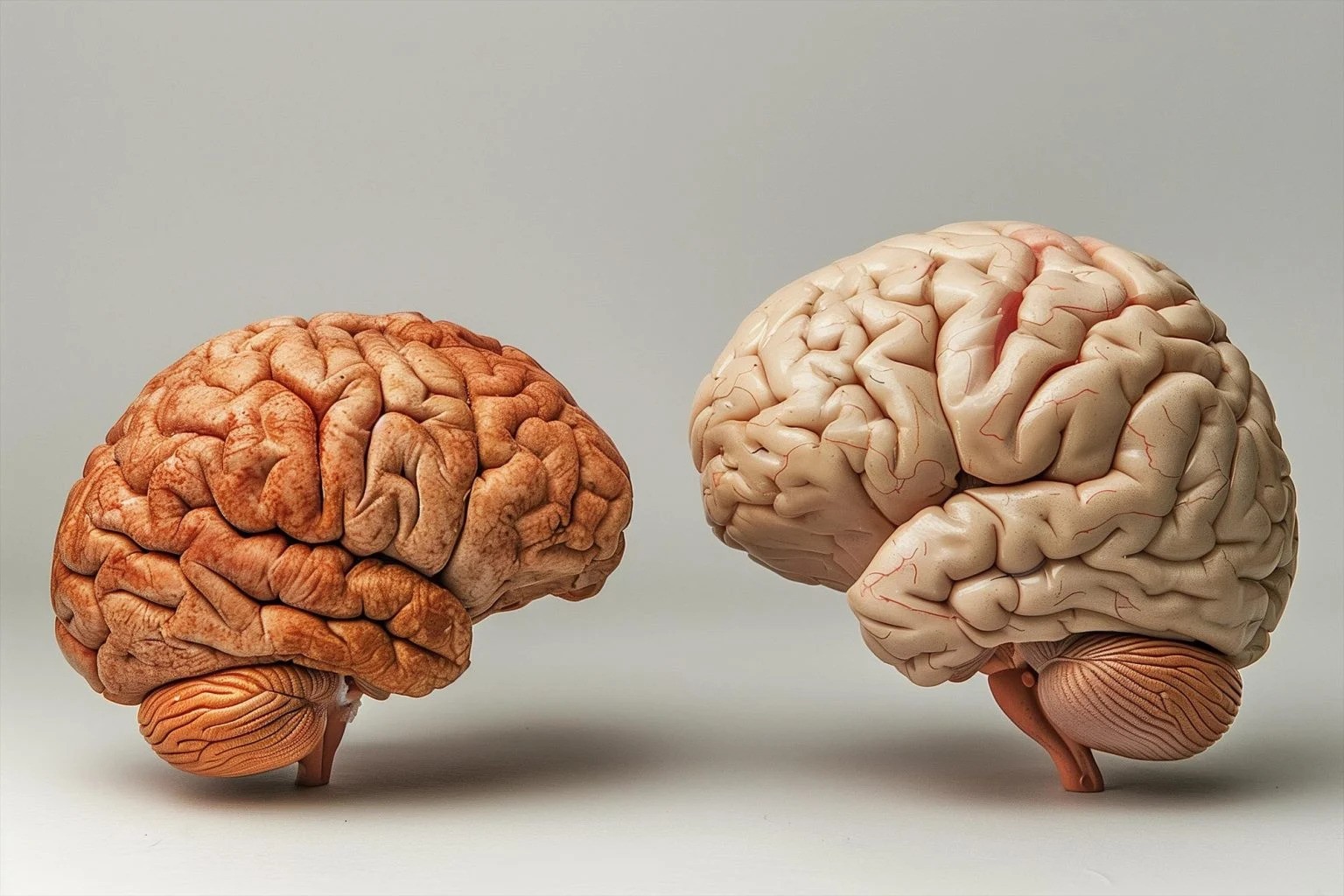
The Hidden Fuel of Human Brains: How Gut Microbes Shaped Intelligence
-
 Loading...
 - Aaretti Timoteus
- 04 Dec 2024
- 39 Views
- 0 Like
- 0 Comment
Recent research has illuminated the fascinating connection between gut microbes and brain function, suggesting that the microorganisms residing in our intestines may play a significant role in shaping human intelligence and cognitive abilities. This emerging field of study, often referred to as the gut-brain axis, explores how the gut microbiome influences brain health, behavior, and even intelligence. Here’s how gut microbes may contribute to these complex processes:
1. Nutrient Production and Absorption
Gut microbes are essential for the digestion of certain foods and the production of vital nutrients. They help break down complex carbohydrates and fibers that the human body cannot digest on its own, leading to the production of short-chain fatty acids (SCFAs) like butyrate, propionate, and acetate. These SCFAs serve as an energy source for colon cells and have been shown to have neuroprotective effects, promoting brain health and potentially enhancing cognitive function.
2. Influence on Neurotransmitter Production
Gut bacteria are involved in the synthesis of several neurotransmitters, including serotonin, dopamine, and gamma-aminobutyric acid (GABA). For instance, about 90% of the body’s serotonin is produced in the gut. These neurotransmitters play crucial roles in mood regulation, cognition, and overall brain function. A balanced gut microbiome can support optimal neurotransmitter levels, which may enhance cognitive abilities and emotional well-being.
3. Immune System Modulation
The gut microbiome is integral to the immune system, influencing inflammation levels throughout the body, including the brain. Chronic inflammation has been linked to various neurological disorders and cognitive decline. A healthy gut microbiome can help regulate immune responses and reduce inflammation, potentially protecting the brain from damage and supporting cognitive function.
4. Gut-Brain Communication
The gut and brain communicate through various pathways, including the vagus nerve, hormonal signals, and immune responses. Gut microbes can influence this communication, sending signals that affect brain function and behavior. For example, certain microbial metabolites can cross the blood-brain barrier and impact brain activity, potentially influencing learning, memory, and emotional responses.
5. Impact on Stress and Anxiety
Research has shown that gut microbes can influence stress responses and anxiety levels. A healthy microbiome can help regulate the hypothalamic-pituitary-adrenal (HPA) axis, which controls the body’s response to stress. By modulating stress levels, gut microbes may indirectly support cognitive function and resilience, which are essential components of intelligence.
6. Developmental Implications
The gut microbiome plays a crucial role in brain development, particularly during early life. The composition of gut bacteria in infancy can influence cognitive development and long-term brain health. Factors such as mode of delivery (vaginal vs. cesarean), breastfeeding, and early diet can shape the gut microbiome and, consequently, cognitive outcomes.
7. Dietary Influence
Diet is a significant factor in shaping the gut microbiome. Diets rich in fiber, fruits, vegetables, and fermented foods promote a diverse and healthy microbiome, which is associated with better cognitive function. Conversely, diets high in processed foods and sugars can lead to dysbiosis (an imbalance in gut bacteria), which may negatively impact brain health and cognitive abilities.
The relationship between gut microbes and brain function is a complex and evolving area of research that highlights the importance of the gut-brain axis in shaping human intelligence. By understanding how gut health influences cognitive abilities, we can better appreciate the role of diet and lifestyle in supporting both gut and brain health. As research continues to unfold, it may pave the way for new strategies to enhance cognitive function and overall well-being through microbiome modulation.