Scientists Say: Inorganic
-
 Loading...
 - Jordan Cruz
- 13 Sep 2022
- 82 Views
- 0 Like
- 0 Comment
Inorganic (adjective, “In-or-GAN-ick”)
Inorganic, simply put, means not organic. So, what does organic mean? Organic compounds are molecules that contain carbon. They generally contain carbon bonded to hydrogen. Living things are made up of organic molecules. These molecules include DNA, fats, sugars and proteins. Most organics are made by life forms (although they can form other ways, too). That’s why organic chemistry is sometimes called the chemistry of life.
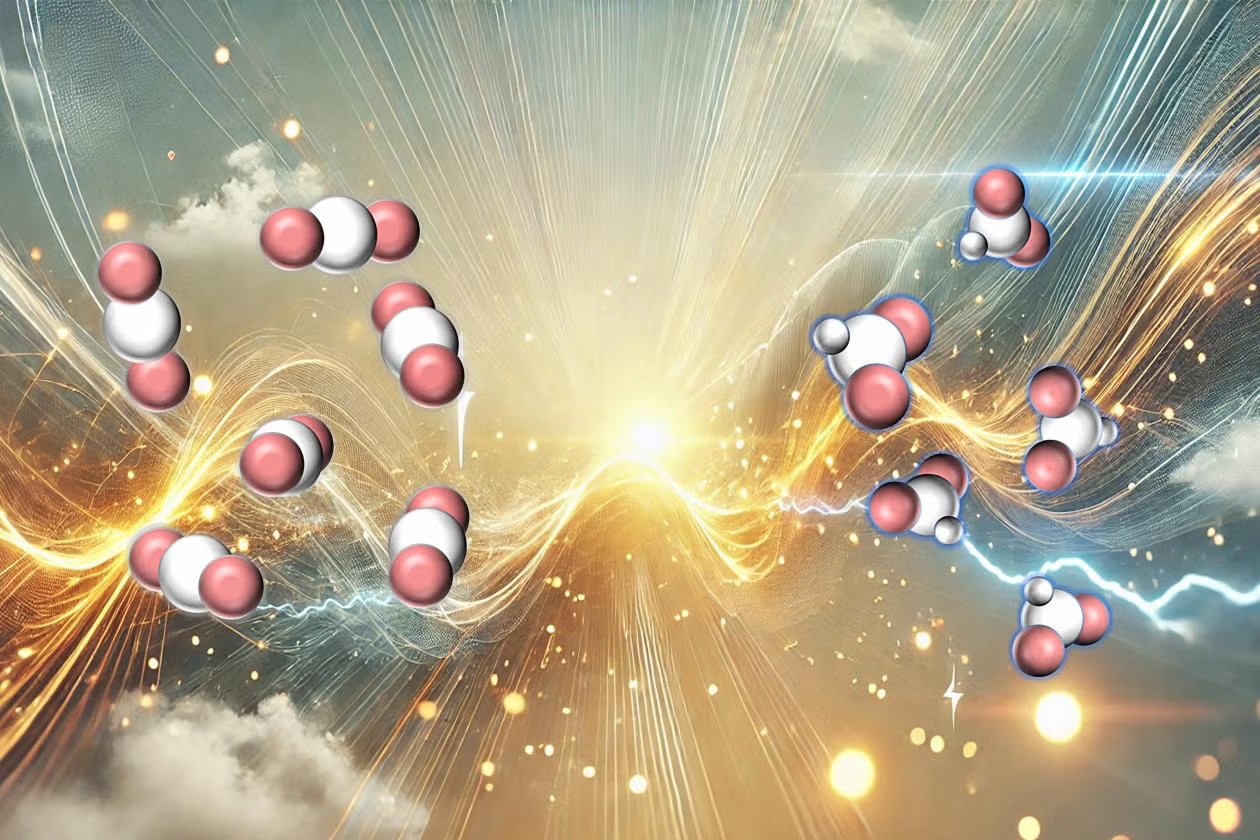
Inorganic means the opposite. Inorganic molecules don’t contain carbon-hydrogen bonds. Most don’t contain carbon at all. Examples include metals, minerals and salts. Sodium chloride, or table salt, is inorganic. So is silicon dioxide. That material is used to build computer chips. But don’t let organics’ reputation as the “chemistry of life” fool you. Living things couldn’t survive without many inorganic compounds. A prime example is water, or H2O. Another is carbon dioxide. Even though it contains carbon, CO2 is considered inorganic. That’s because it does not contain a carbon-hydrogen bond.
Some other carbon-based materials are classified as inorganic, too. Take diamond or graphene. These carbon structures do not contain a fixed number of atoms. As a result, they are not molecules and so cannot be organic. Read More...