Hypnosis Has Measurable Effects on the Brain, Says Zurich Study
-
 Loading...
 - Jason Chloros
- 14 Feb 2025
- 44 Views
- 0 Like
- 0 Comment
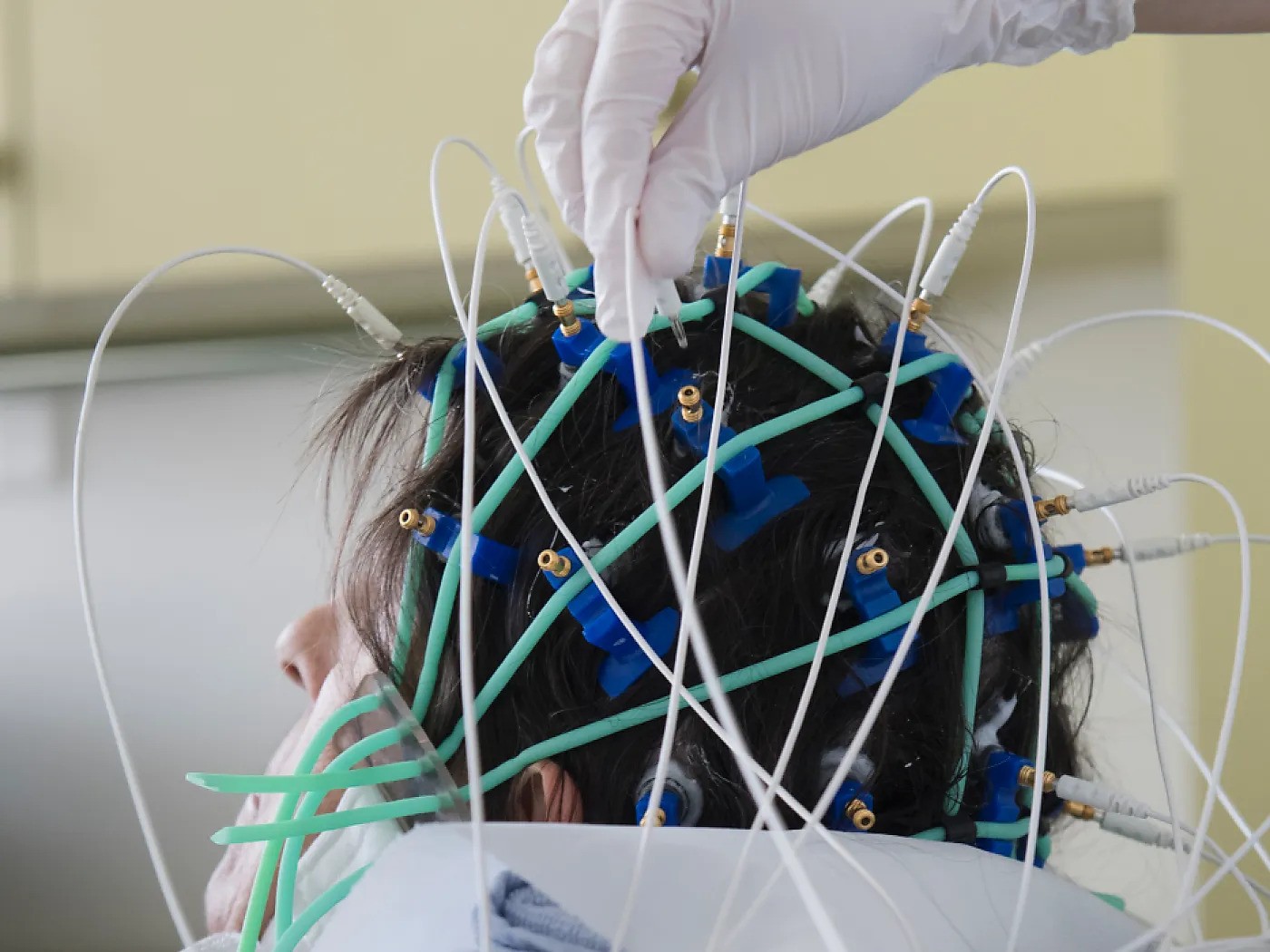
Recent research from the University of Zurich (UZH) has provided new insights into the effects of hypnosis on brain activity, revealing measurable changes in specific brain networks. While hypnosis has often been viewed as a mysterious phenomenon, these studies indicate that it has tangible effects on the brain's functioning.
The UZH researchers conducted three studies utilizing various imaging techniques to explore the impact of hypnosis. In each study, 50 healthy participants were selected as test subjects. The participants were first guided into a light state of hypnosis and then into a deeper state using the same spoken text.
The studies revealed that hypnosis leads to alterations in certain brain areas associated with attention and body perception. Specifically, the activity in these regions was found to be reduced, suggesting that hypnosis may diminish the subjects' awareness of their bodies. Concurrently, the researchers noted an increase in theta waves, which are typically associated with sleepiness and deep relaxation.
In addition to changes in brain activity, the researchers observed significant neurochemical alterations. During deep hypnosis, there was a notable increase in the release of a neurochemical modulator called myo-inositol. This finding may indicate a reduction in overall brain activity during deep states of hypnosis.
While these findings provide valuable insights into the neurophysiological effects of hypnosis, the researchers emphasize that further studies are necessary to fully understand the mechanisms behind these changes. The results contribute to a growing body of evidence that suggests hypnosis is not merely a psychological phenomenon but has measurable effects on brain function.
The studies conducted by the University of Zurich highlight the significant impact of hypnosis on brain activity and neurochemistry. By demonstrating changes in brain networks related to attention and body awareness, this research paves the way for a deeper understanding of hypnosis and its potential applications in therapeutic settings. As the field continues to evolve, further investigation will be essential to unravel the complexities of how hypnosis operates within the brain.