The spruce budworm poses a big threat to Canadian forests
-
 Loading...
 - Olivia Lehtinen
- 26 May 2023
- 76 Views
- 0 Like
- 0 Comment
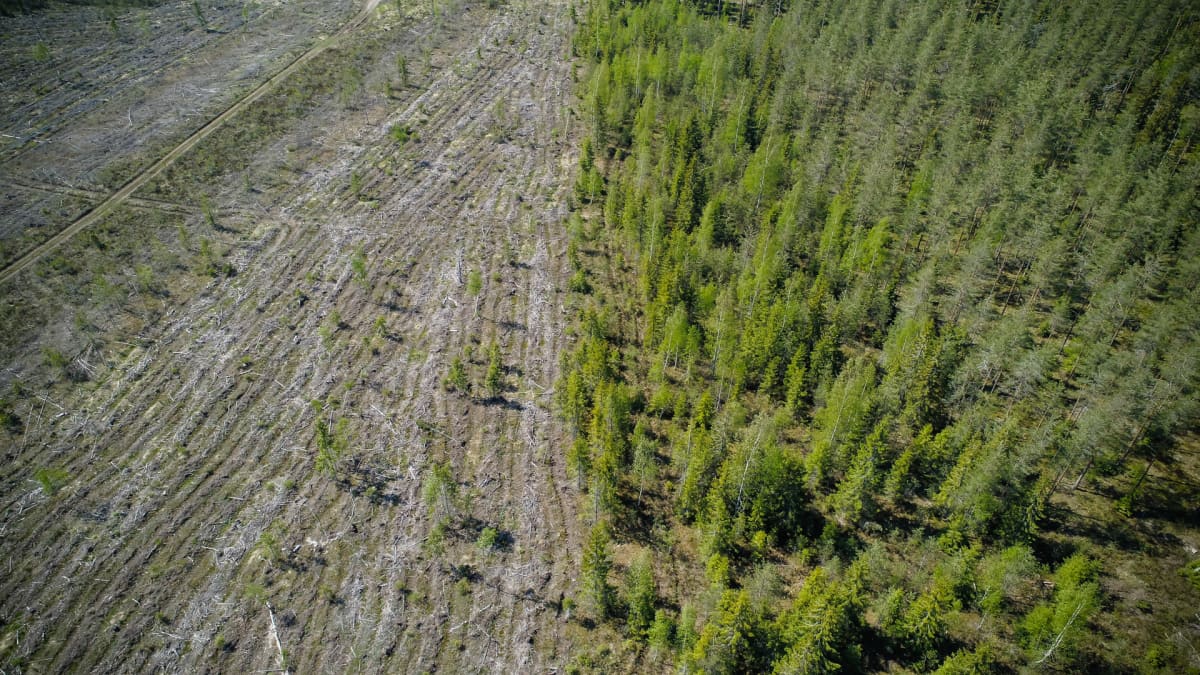
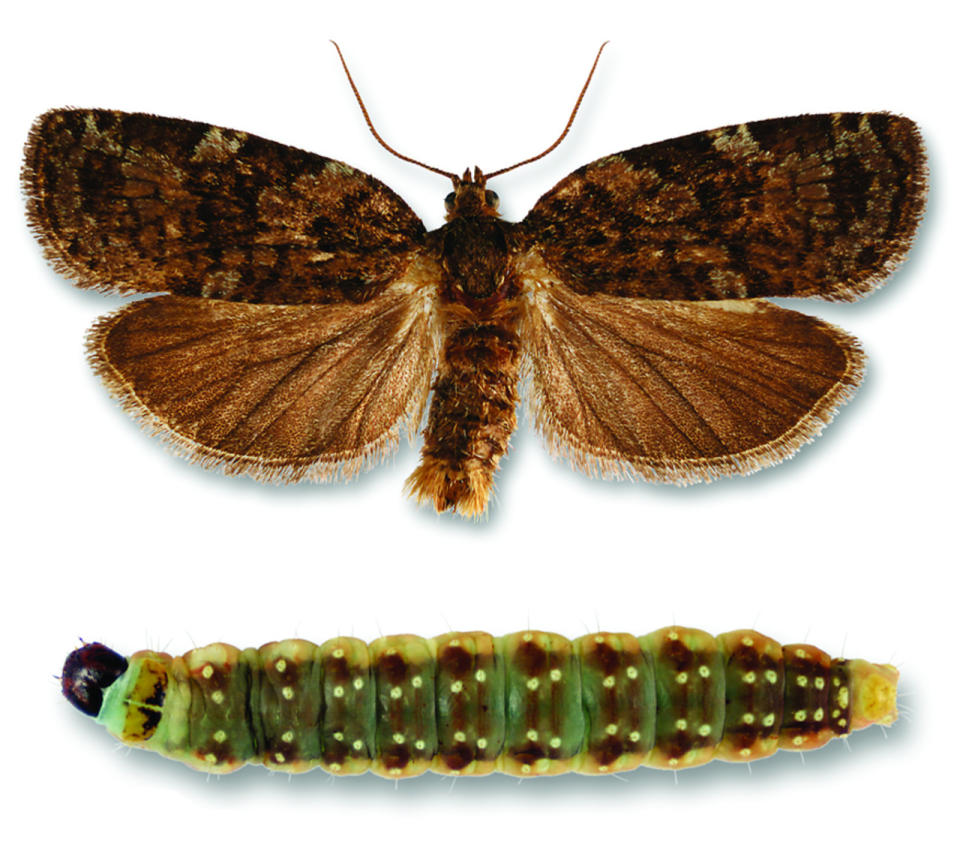
The spruce budworm, a species of moth renowned for its destructive behavior, poses a significant threat to Canada's coniferous forests. While it is native to North America and parts of Europe, its impact has rapidly intensified in Canadian forests. The caterpillars of this moth exhibit a voracious appetite for balsam fir and spruce, showing no mercy as they consume every needle and ultimately bring about the demise of the trees. These devastating budworm outbreaks typically occur every 30 to 35 years, persisting for 15 to 20 years within the same area. Consequently, the trees are unable to recover, and deforestation becomes apparent within approximately four years.
During the extensive outbreak of the 1970s and 1980s, the spruce budworm wreaked havoc on more than 50 million hectares of land in eastern Canada. Presently, Quebec finds itself in the midst of another outbreak, originating from the north shore of the St. Lawrence River in 2006. As reported by the Government of Canada, over 9.6 million hectares of forest had experienced varying degrees of defoliation by 2019.
Interestingly, during periods of normal population levels, when the budworm is not rampant, it plays a crucial ecological role by revitalizing old-growth forests and establishing diverse habitats that support countless species.
To address this challenge, officials rely on the assistance of citizen scientists who monitor and report budworm populations, aiding in more accurate epidemic forecasts. The most effective approach for controlling the moth involves population monitoring and the utilization of chemical treatments as necessary. In some cases, biological agents such as the Spruce Budworm Parasitoid, a minute wasp that preys on the larvae, are employed.
Additionally, intervention strategies are being developed to comprehend the budworm's behavior and its response to changes in the forest environment. DNA barcoding is utilized to enhance understanding of the spruce budworm's dietary preferences and provide insights for improved management strategies during outbreaks.
In the quest for solutions, scientists are also turning to First Nations communities for valuable insights on mitigating spruce budworm populations. Rory MacNeil, the Spruce Budworm Project Coordinator for the Unama'ki Institute of Natural Resources, expressed their intention to engage with elders who have experienced past outbreaks and individuals who currently rely on the land for traditional practices or employment. By gathering wisdom from these communities, a province-wide effort is underway to arrange interviews with knowledgeable individuals.